Content
The first time most men try seamless underwear, the reason is usually a specific annoyance: a waistband seam that digs in under a dress shirt, chafing on a long run, or a visible ridge under slim-fitting trousers. The switch often happens in a single purchase. The question that follows is whether the difference is real or mostly marketing.
The short answer is that seamless construction genuinely changes how underwear fits and feels. But not all seamless underwear is equal, and knowing what to look for in fabric, fit, and construction separates a genuine upgrade from a drawer of disappointment. This guide covers what seamless really means, which materials perform best, how to check fit, and what brands should consider before sourcing it.
A seamless garment is knitted as a single tube on a circular knitting machine rather than cut from flat fabric and sewn together. That removes the side seams that run down the legs of traditional boxer briefs and along the sides of classic briefs. In many designs, the crotch seam is also eliminated or shortened, which matters because the crotch seam is the most common source of chafing in regular underwear.
Two clarifications help avoid confusion. First, seamless does not mean completely seam-free. Most seamless trunks still have a short seam at the crotch, and the waistband is usually a knitted-in band rather than a stitched elastic. Second, seamless is not the same as flatlock stitching. Flatlock seams reduce bulk by joining panels in a flat configuration, but the seam still exists. Seamless construction removes it altogether.
What this means in practice: fewer friction points, no side seams to twist or roll, and a closer, more adaptive fit that becomes more noticeable the longer the garment is worn.
The benefits of seamless construction show up in specific situations rather than in vague comfort claims:
These differences matter most for men who wear fitted trousers at work, train regularly, or find themselves adjusting their underwear during the day. If none of those situations apply, seamless is still comfortable, but the advantages are less dramatic.
Construction determines structure, but fabric determines how the garment feels against the skin. Most seamless underwear pairs a performance fiber with spandex for stretch. Typical blends run 75-85% nylon, polyester, or bamboo viscose, with 15-25% spandex.
| Fabric blend | Strengths | Watch out for |
|---|---|---|
| Nylon + spandex | Smooth surface, excellent stretch recovery, durable | Can be less breathable in tight knits |
| Bamboo viscose + spandex | Soft hand feel, good moisture absorption, breathable | Bamboo viscose is chemically processed, not mechanically natural; no inherent antibacterial property |
| Recycled spandex + nylon | Similar performance, lower environmental footprint | Availability depends on supplier |
| Modal + spandex | Very soft, smooth drape | Can lose elasticity faster with low spandex content |
For a deeper comparison of how each material behaves in washing, wear, and long-term durability, the men's seamless underwear fabric guide breaks down the options in detail.
Seamless construction can be applied to nearly any cut, but three styles dominate the men's market:
For most men, a seamless trunk is the safest starting point. It combines the coverage of a boxer brief with the simplicity of a brief, and because there are no side seams, it moves with the body instead of fighting it.
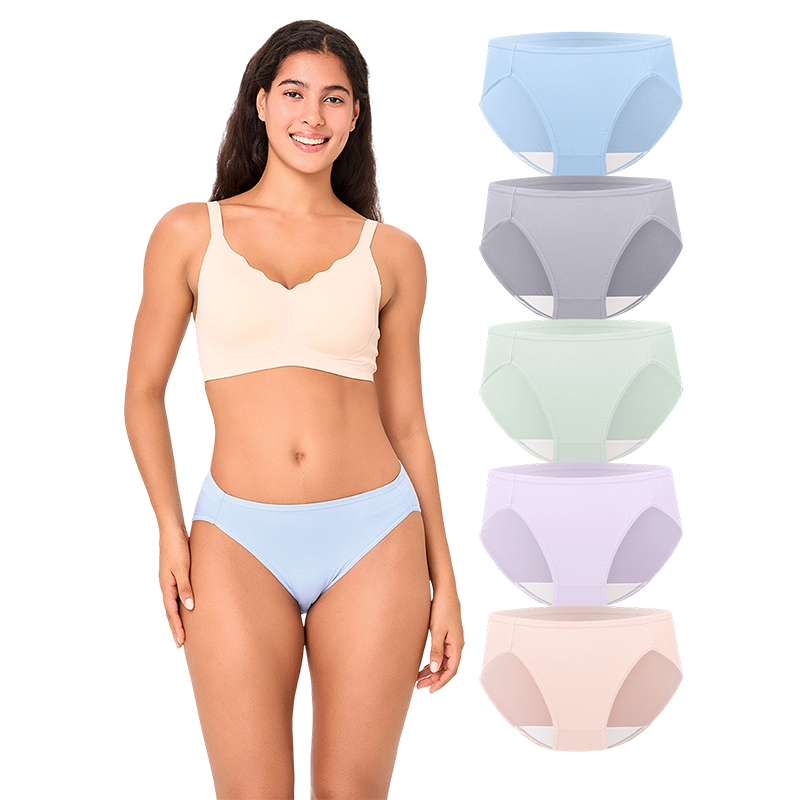
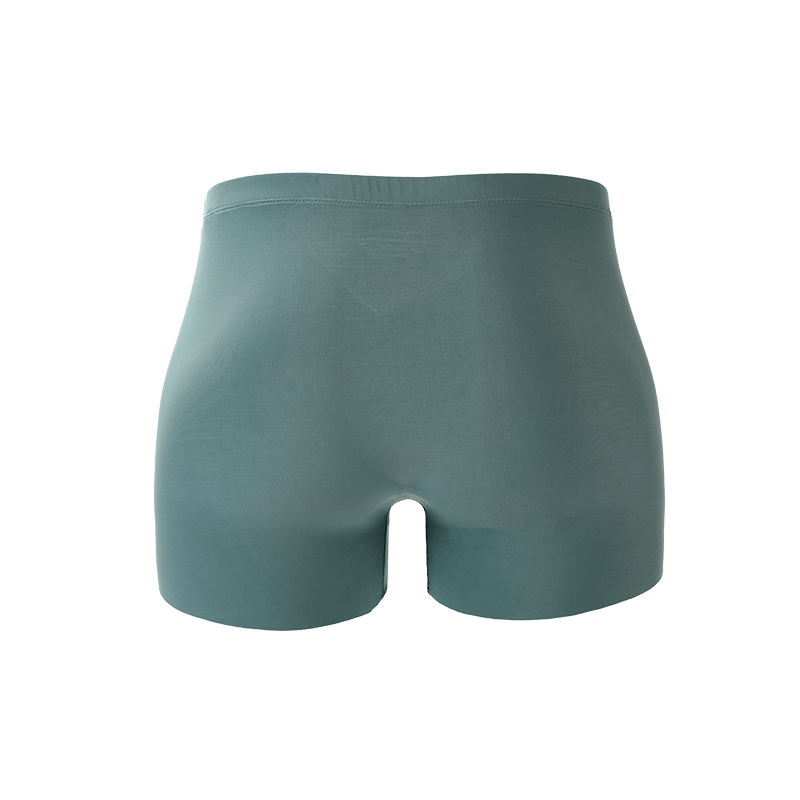 Men's Seamless Trunk with Multiple Stretch Fabric OptionsThis trunk offers full coverage with no side seams, making it a reliable base for everyday wear. Its fabric choices include recycled nylon, bamboo, and modal blends worth reviewing for fit and recovery.View Product →
Because seamless underwear relies on stretch rather than seams to hold its shape, fit depends heavily on knit tension and spandex distribution. Three areas deserve close attention:
Size charts are less useful than the recovery test: stretch the fabric between your hands and watch how fast it returns. If it stays even slightly stretched, the garment will bag out within weeks of regular wear.
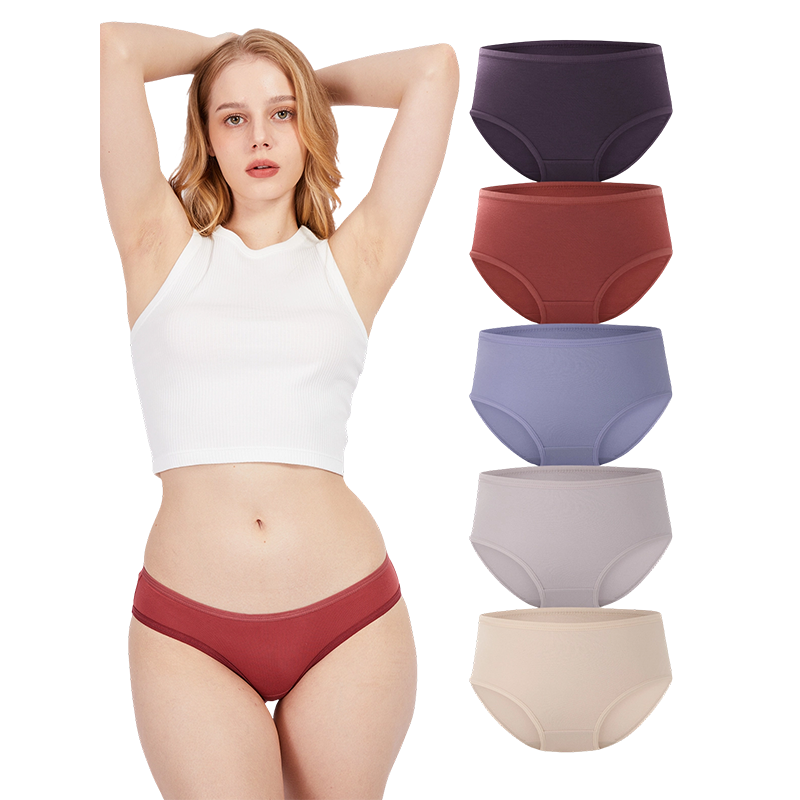
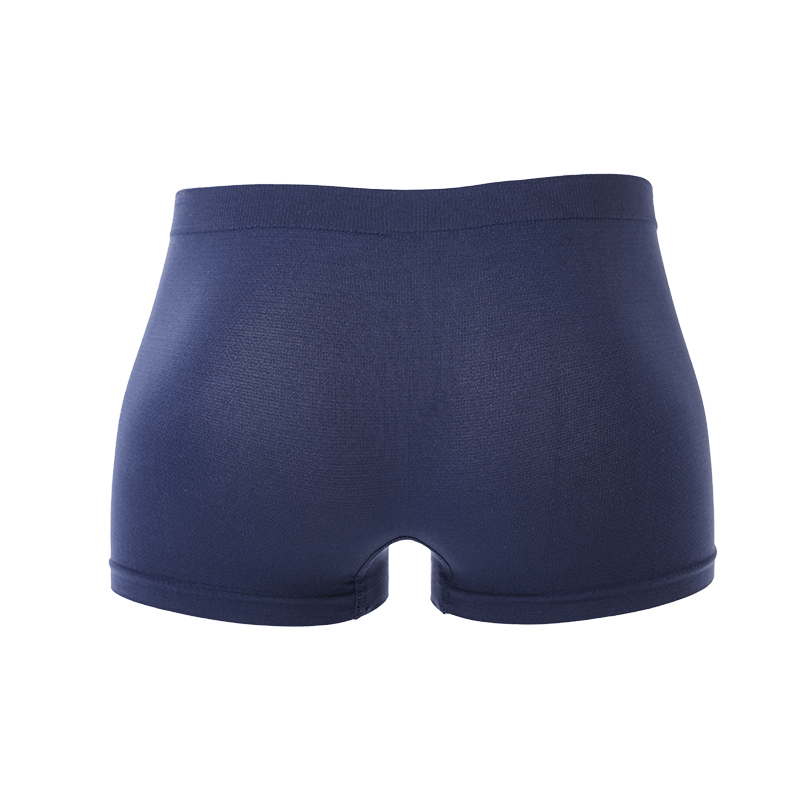 Seamless Trunk Underwear with Quick Stretch RecoveryBefore using size charts, test how fast this fabric returns after stretching. Strong recovery indicates lasting shape, so this pair is highlighted as a benchmark for evaluating knit tension and spandex distribution.View Product →
Seamless underwear can last well if you avoid two common mistakes: high-heat drying and fabric softener.
With proper care, a quality seamless trunk made from nylon and 15-20% spandex should hold its shape for 6 to 12 months of regular rotation. Lower-cost versions with reduced spandex content may start bagging at the waist or legs within two or three months.
If you are a brand owner or buyer evaluating seamless underwear manufacturers, the technical details above translate directly into procurement criteria. First, confirm that the factory actually operates seamless knitting machines rather than imitating the look with flat fabric. Request samples and examine the crotch and waistband construction closely.
Second, verify certifications before committing. Oeko-Tex 100 covers harmful substances in the finished garment and is close to mandatory for EU and North American markets. If environmental claims are part of your positioning, FSC certification for fiber source and OCS certification for organic content give those claims credibility.
Third, consider the full range a supplier can offer. A partner with genuine OEM/ODM services and experience across seamless trunks, briefs, and recycled spandex materials can streamline your supply chain and reduce lead times.
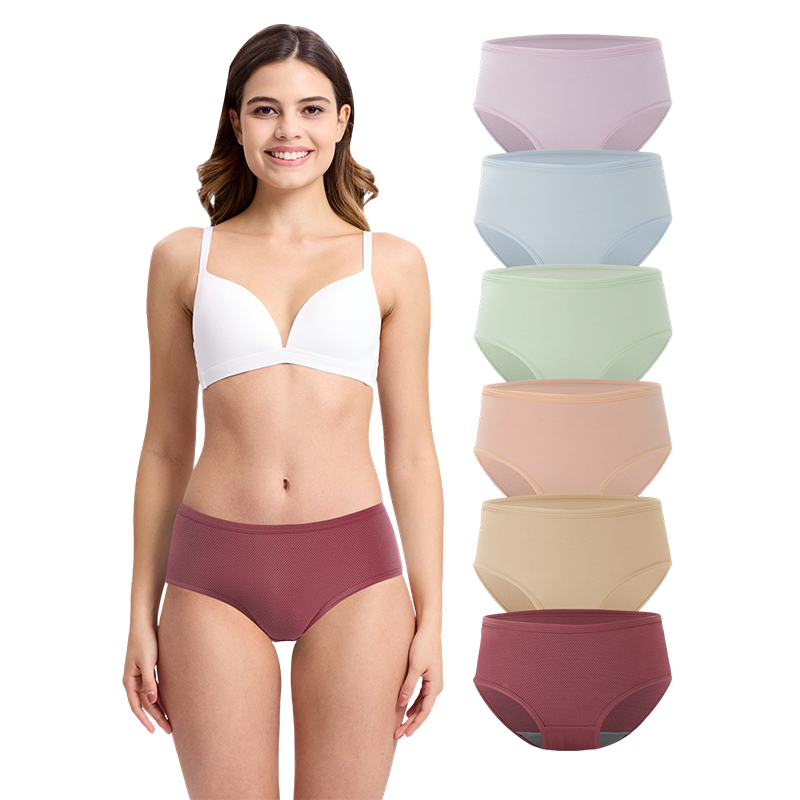
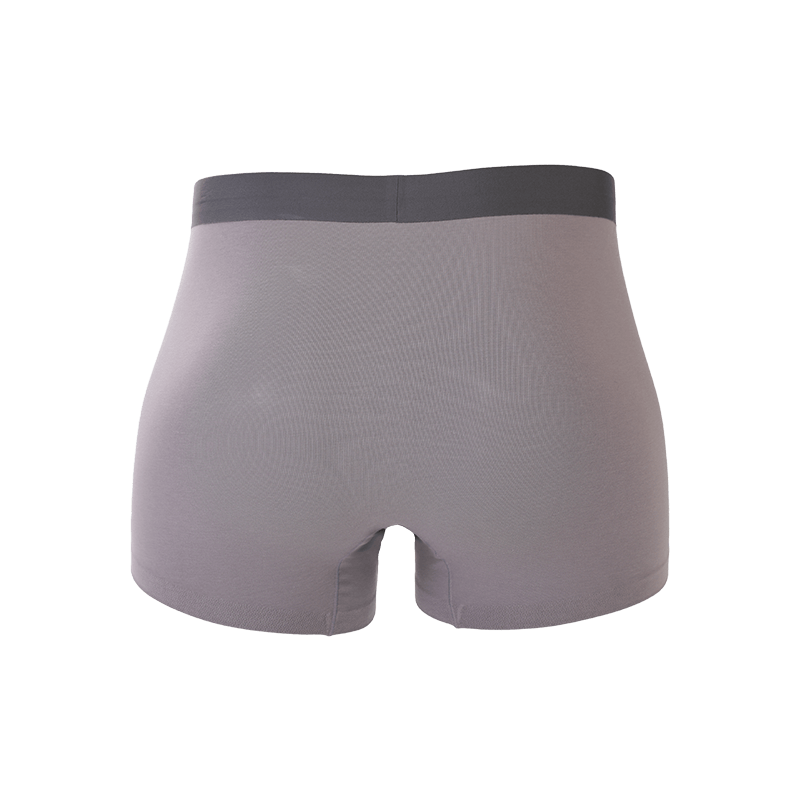 Recycled Spandex Trunk for OEM/ODM Supply Chain UseFor buyers seeking a full range of seamless styles, this trunk indicates a supplier capable of OEM/ODM services across trunks, briefs, and recycled spandex materials, potentially simplifying sourcing and reducing lead times.View Product →
Seamless men's underwear is not a gimmick, but it is also not automatically superior to a well-made seamed garment. The advantages are specific: no side seams, fewer friction points, cleaner lines under clothing, and better stretch recovery. The disadvantages stem mainly from weak knit tension or low spandex content, which is why fabric choice matters more than the style you pick.
If you are buying for yourself, start with one seamless trunk in a nylon-spandex blend, check the waistband and leg fit, and wash it cold. If you are sourcing for a brand, treat construction and certifications as the baseline and let sample testing verify everything the supplier claims.

Copyright © Nantong Tianhong Textile Technology Co., Ltd. All Rights Reserved.
 Room 806, Building D, Jingyang Plaza, Chongchuan District, Nantong City, Jiangsu Province,china

 English
 Español
 русский
 عربى
عربى