Content
The most comfortable men's boxer briefs combine a breathable, stretch-enhanced fabric with a fitted but non-restrictive cut, a wide flat waistband, and seams positioned away from high-friction areas. No single fabric or size works for everyone, but understanding how material, construction and fit interact makes it much easier to identify styles that will hold up through a full day of wear.
Fabric is usually the first factor buyers notice, since it determines how the underwear feels against skin, how it manages moisture, and how it recovers its shape after repeated washing.
Soft and breathable with a natural feel. Adding 3 to 8 percent spandex improves shape retention and reduces sagging after washing.
A semi-synthetic fiber derived from beech wood pulp. Known for a smooth, silky hand feel and strong moisture absorption.
Very soft with good breathability and natural moisture-wicking properties, often preferred for warm-climate wear.
Lightweight, quick-drying and low-friction, commonly chosen for athletic or travel-oriented underwear lines.
| Fabric | Breathability | Stretch Recovery | Best For |
| Cotton-Spandex | High | Good | Daily wear |
| Modal | High | Very Good | Sensitive skin |
| Bamboo Viscose | Very High | Good | Warm climates |
| Microfiber Blend | Medium | Excellent | Sport and travel |
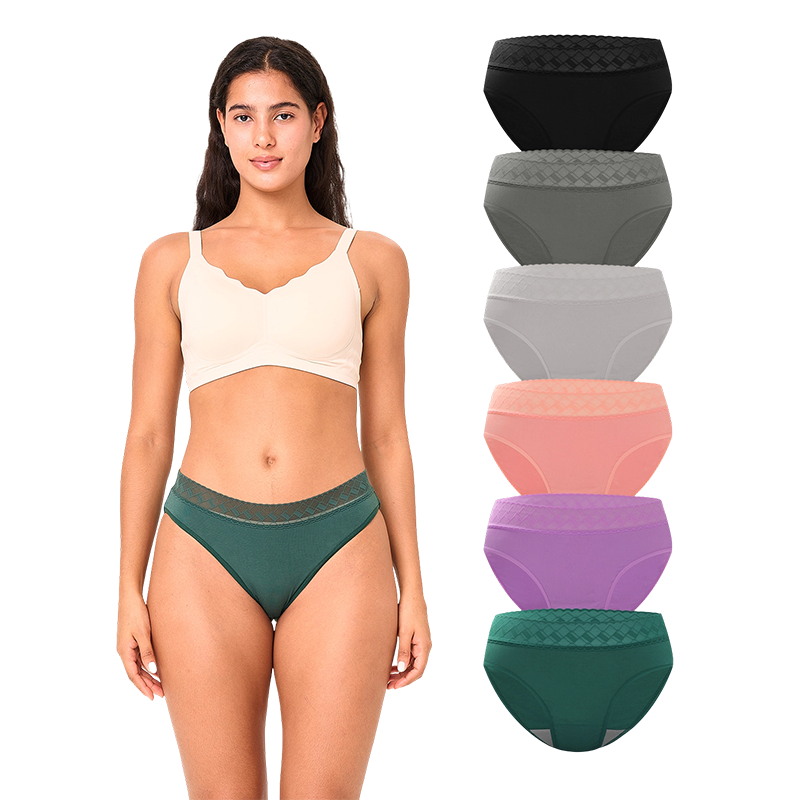
A wide, flat waistband distributes pressure across a larger surface area instead of concentrating it along a thin elastic line. This reduces the digging or rolling sensation that often makes underwear uncomfortable after several hours of sitting or movement. Woven jacquard waistbands tend to hold their shape longer than printed elastic, which can stretch out or curl at the edges after repeated washing.
Seam placement matters just as much as the waistband. Flatlock or bonded seams sit closer to the skin and create far less friction than traditional overlock seams, especially along the inner thigh and leg opening where most chafing occurs.
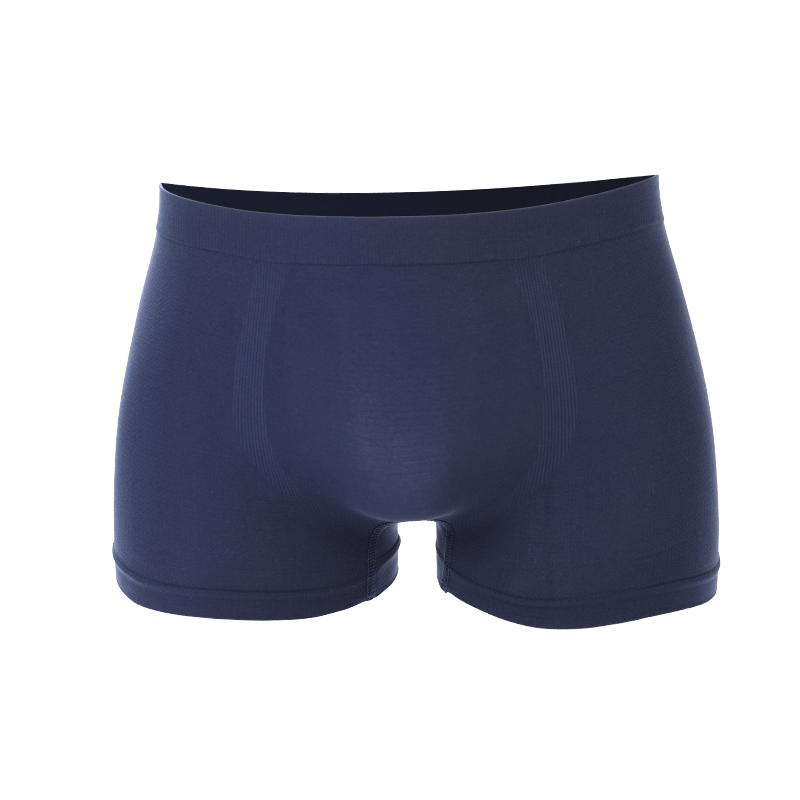
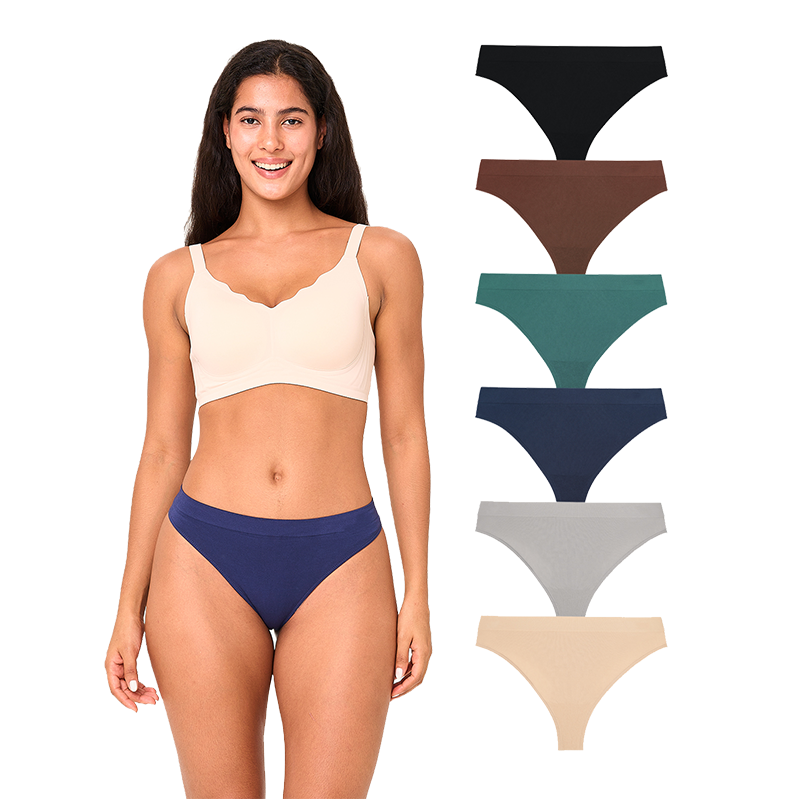
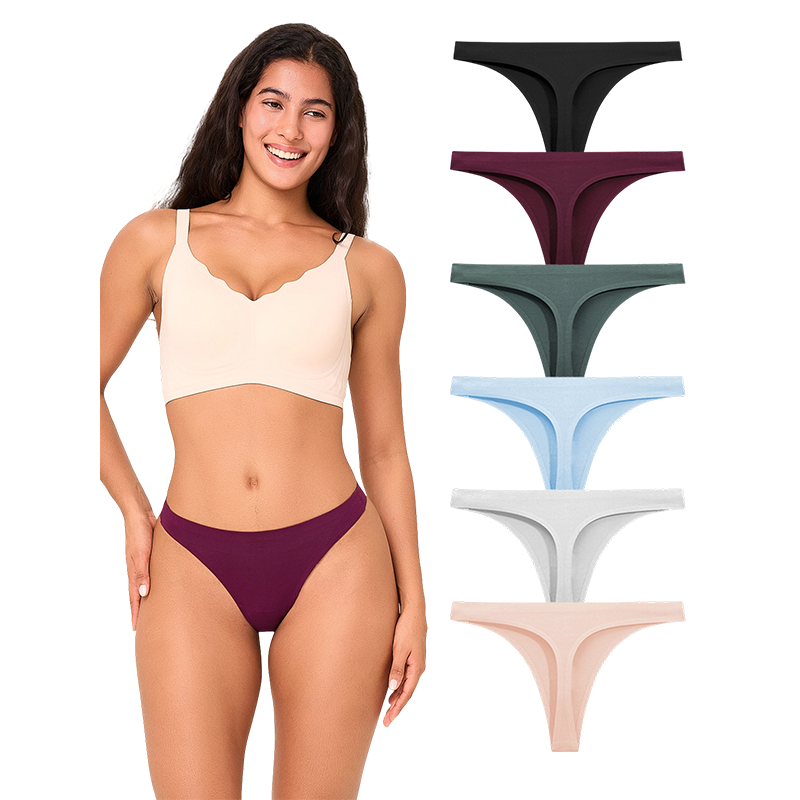
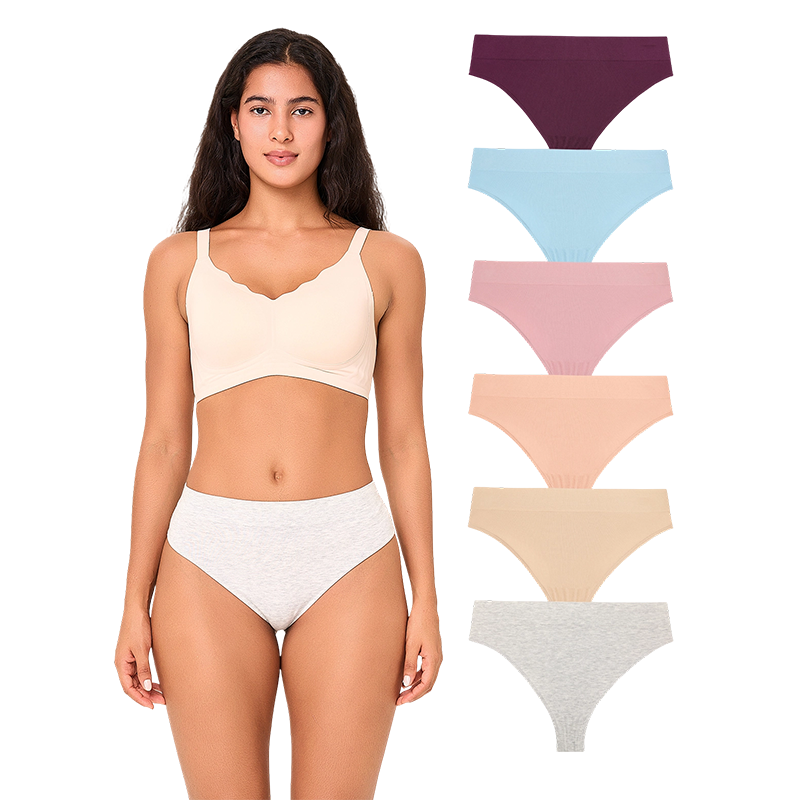
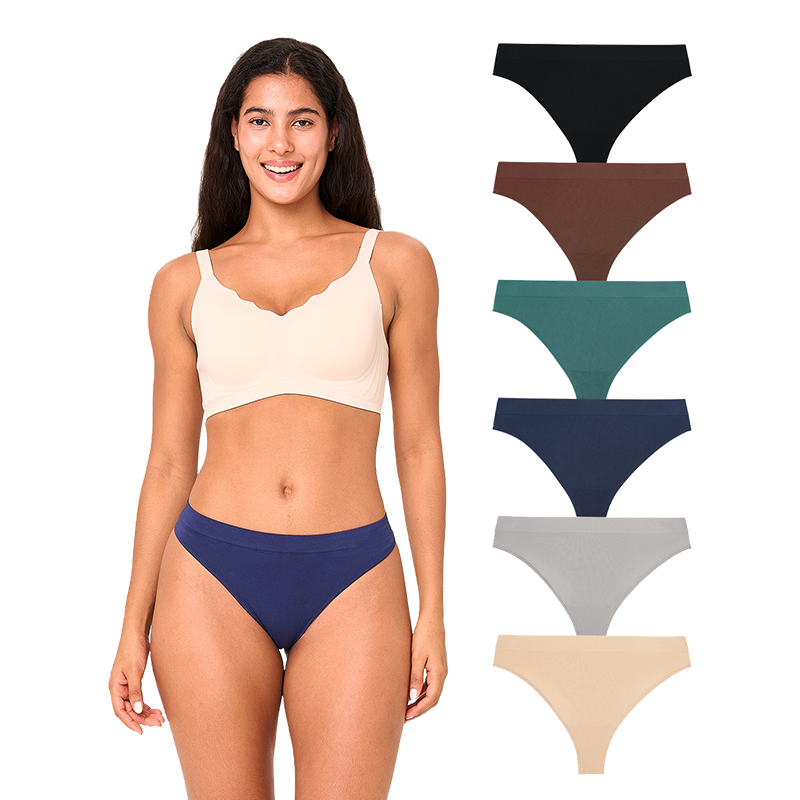
For buyers who prioritize the lowest possible friction, seamless construction removes stitched seam lines entirely by knitting the garment in one continuous piece. This eliminates the seam-related chafing points discussed above and gives an especially smooth, second-skin feel under fitted clothing.
Fit is often the deciding factor between underwear that feels comfortable and underwear that gets adjusted throughout the day. Three measurements matter most.
Sizing should be checked against actual body measurements rather than regular clothing size, since underwear brands often use tighter or more compression-oriented size charts than outerwear.
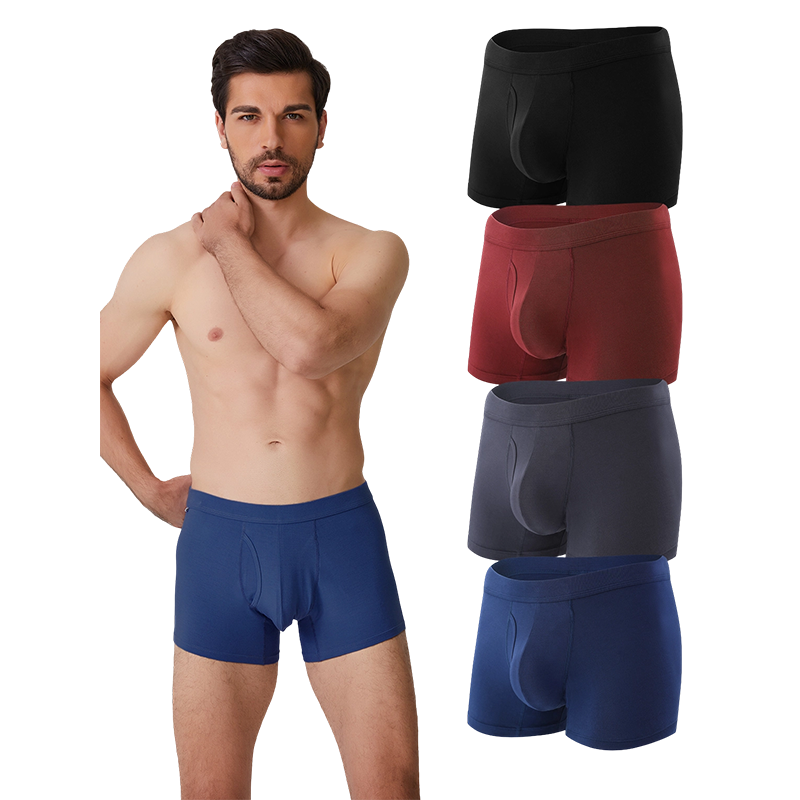
Trunks use a shorter leg length than most boxer briefs while keeping the same fitted cut and wide waistband. This shorter profile reduces ride-up during high-movement activity and cuts down on fabric bulk under slim-fit trousers, making it a practical alternative for wearers who find longer legs unnecessary for their daily routine.
Comfort over a full day depends heavily on how well a fabric moves moisture away from skin. Natural fibers like cotton and bamboo viscose absorb moisture readily, which keeps skin feeling dry during moderate activity. Synthetic blends with added elastane or microfiber content wick moisture to the fabric surface where it evaporates faster, which is generally preferred for high-activity use or hot, humid conditions.
Ventilated knit structures, sometimes described as mesh panels, are increasingly used in the rear or pouch area of performance-oriented boxer briefs to improve airflow without compromising coverage.
Cotton-spandex or modal blends with mid-rise fit and a wide waistband offer stable, all-day comfort under structured clothing.
Bamboo viscose or lightweight cotton blends with strong moisture absorption help reduce heat buildup.
Microfiber or synthetic performance blends with mesh ventilation and flatlock seams reduce chafing during movement.
Not every wearer finds a fitted cut most comfortable. Loose-fit boxers trade the close, supportive fit of boxer briefs for a relaxed, non-clinging feel, which some buyers prefer for sleep wear or warm-weather lounging.
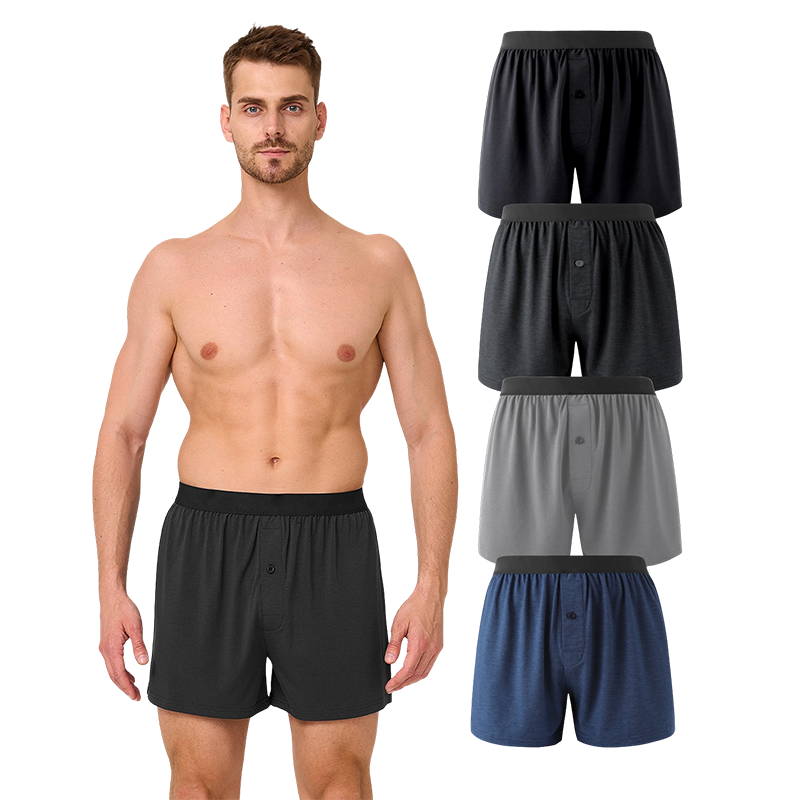
Loose-fit boxers use a roomier cut through the leg and seat, allowing more air circulation than a fitted boxer brief. This makes them a common choice for hot climates, overnight wear, or buyers who simply prefer minimal contact between fabric and skin over the compression fit of a boxer brief.
Even a well-designed boxer brief loses comfort if it is not cared for properly. Elastane fibers degrade faster under high heat, so washing in cool or warm water and avoiding high-heat tumble drying helps waistbands and pouches keep their shape longer. Turning underwear inside out before washing also reduces surface pilling on the outer fabric, which can otherwise create a rougher feel against clothing.
Modal and bamboo viscose are frequently cited for their soft hand feel and moisture absorption, while cotton-spandex blends offer a good balance of comfort and durability for everyday use.
Most comfortable blends contain between 3 and 8 percent spandex, which provides enough stretch and recovery without making the fabric feel overly compressive.
Ride-up is usually caused by a leg length that is too short relative to thigh circumference, or a waistband that has lost elasticity, both of which reduce how well the garment stays in place during movement. A trunk-style cut or a longer leg length can both help address this.
Not necessarily. Longer legs reduce ride-up and are useful for layering, but shorter leg lengths, such as those used in trunk styles, are often preferred in warm weather or for reduced fabric bulk under fitted clothing.
Once waistband elasticity noticeably loosens or seams begin to fray, comfort and support decline even if the fabric still looks intact, so replacement at that point is generally recommended.
Seamless construction can reduce friction points further, but well-placed flatlock seams on quality fabric can achieve a similarly comfortable result for most wearers.

Copyright © Nantong Tianhong Textile Technology Co., Ltd. All Rights Reserved.
 Room 806, Building D, Jingyang Plaza, Chongchuan District, Nantong City, Jiangsu Province,china
 English
 Español
 русский
 عربى
عربى