Content
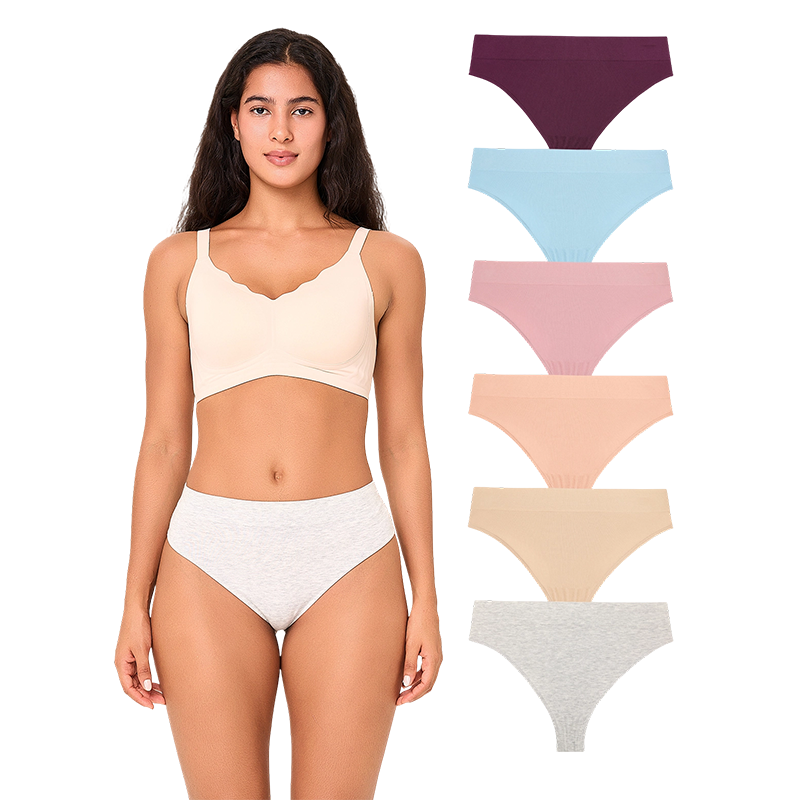
Women's thongs are one of the most purchased underwear styles globally - favored for their invisible silhouette under fitted clothing and versatility across everyday, active, and occasion wear. This guide covers every style, the fabrics that make them comfortable, and exactly how to choose the right fit.
A thong is a style of underwear designed to provide minimal rear coverage, with a narrow strip of fabric - or string - running between the cheeks instead of a full back panel. The front typically offers standard coverage similar to a bikini brief, while the sides connect via a waistband or thin straps. The defining purpose of a thong is to eliminate visible panty lines (VPL) under form-fitting clothing - leggings, bodycon dresses, tailored trousers, and swimwear.
Modern thongs have moved far beyond their early reputation as purely lingerie. Today they are a mainstream everyday essential, available in seamless constructions, sustainable fabrics, and a full range of rise heights - from low-rise to high-waist - to suit every wardrobe and body type.
The thong category covers a wider range of cuts and constructions than most people expect. Understanding the differences helps brands position products correctly and helps wearers choose what actually suits their body and lifestyle.
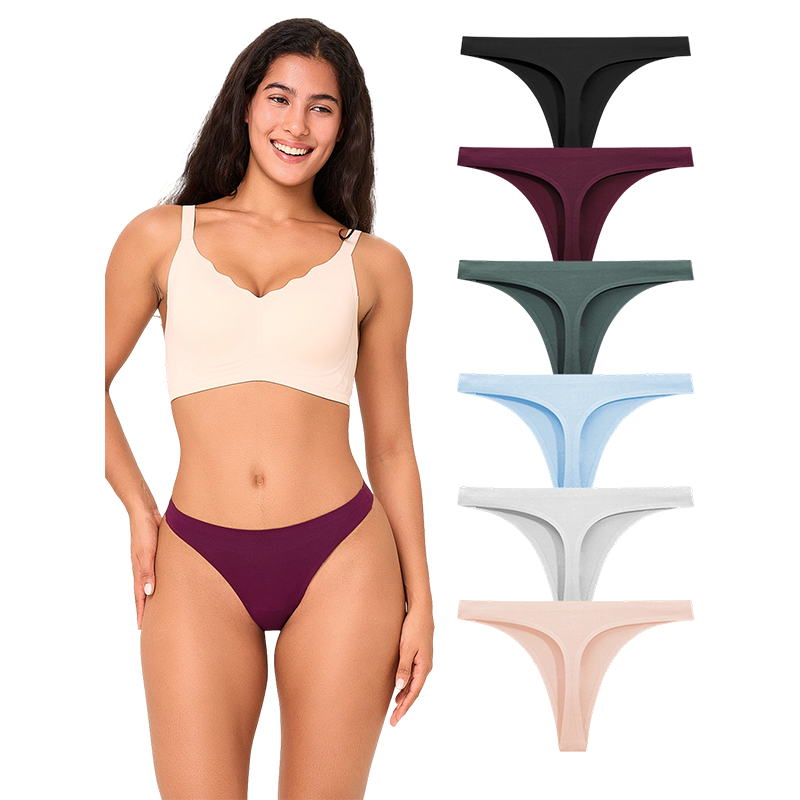
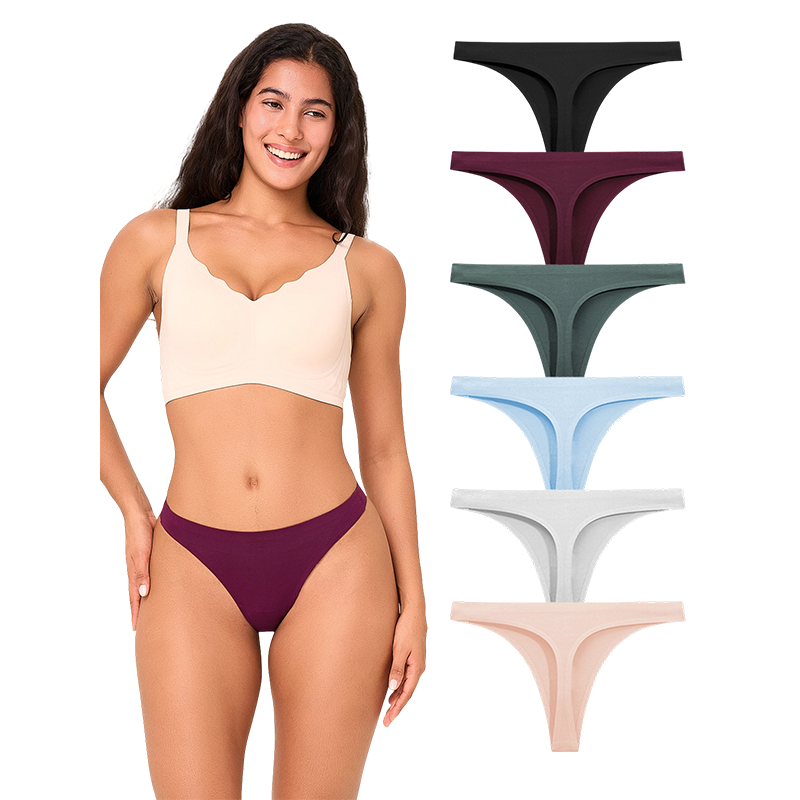
A back panel approximately 1-2 inches wide that forms a V or Y-shape. More coverage than a G-string, with even pressure distribution across the hips. The most versatile everyday style - suitable for office wear, casual outfits, and fitted dresses.
The most minimal construction: a single thin string (under 0.5 inches) replaces the back panel entirely. Maximum invisibility under ultra-tight or sheer clothing. Less suited to extended active wear due to the concentrated contact of a single string.
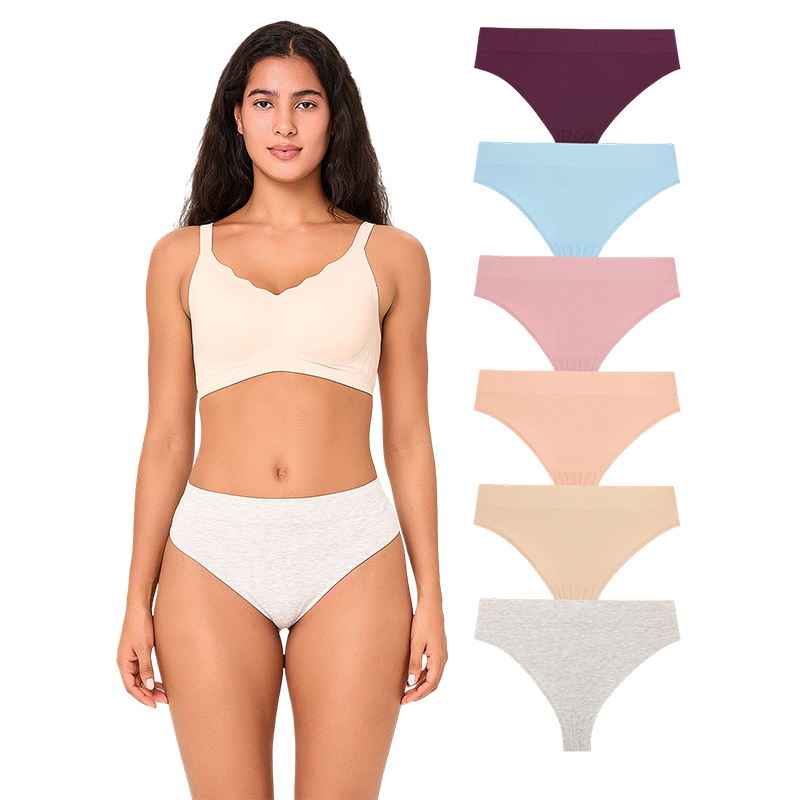
A thong cut with a waistband that sits at or above the natural waist. Offers a smoothing effect on the midsection, pairs well with high-rise trousers and skirts, and gives more front coverage than a mid-rise or low-rise style.
Sits between the hip and natural waist - the most universally flattering rise height. Suitable for the widest range of bottom styles and body types. The most common rise in everyday thong collections.
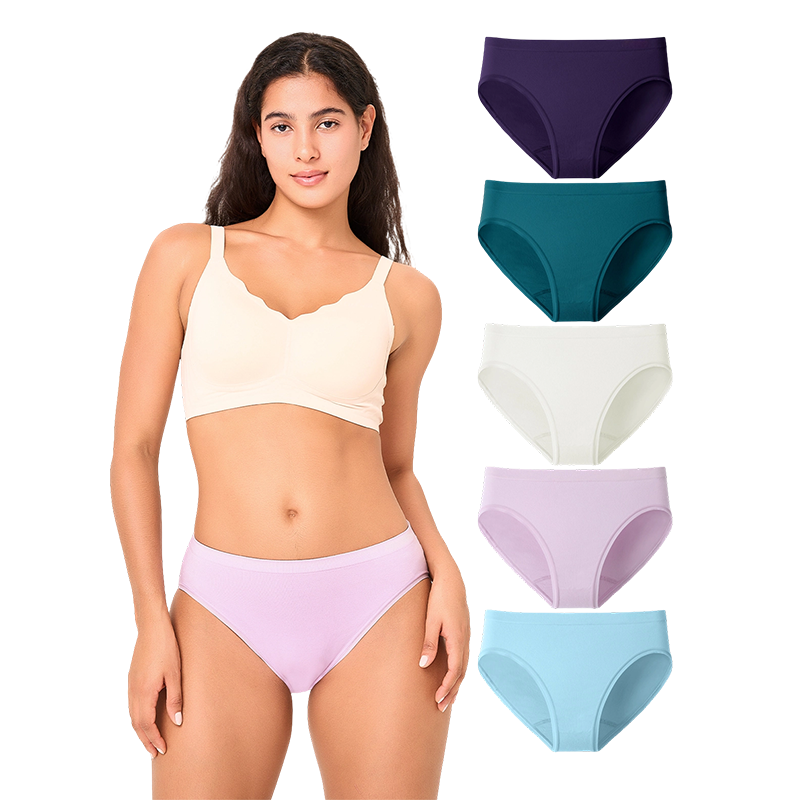
Constructed using bonded or laser-cut edges instead of sewn seams, producing a completely smooth outer surface. The premier no-show option under leggings, activewear, and fitted dresses. Available across all rise heights and waistband styles.
Sits below the hip bone, designed to stay hidden under low-rise jeans and hip-skimming bottoms. Minimal fabric with a barely-there profile - the style most associated with the early 2000s thong aesthetic, now updated with modern seamless constructions.
Because thongs sit directly against some of the body's most sensitive skin, fabric selection is more critical here than in most other underwear categories. The right fabric determines not just comfort but also hygiene, durability, and how the garment performs throughout the day.
| Fabric | Feel | Breathability | Stretch | No-show | Best Use |
| Cotton / Organic Cotton + Spandex | Soft, natural | High | Good | Medium | Everyday basics |
| Seamless Nylon + Spandex | Smooth, silky | Medium-High | Excellent | Excellent | No-show, activewear |
| Modal + Spandex | Silky, premium | High | Excellent | Good | Premium comfort |
| Recycled Polyester + Spandex | Smooth, athletic | Medium | Excellent | Good | Sport, active |
| Lace | Textured, delicate | High | Limited | Low | Lingerie, occasion |
For everyday seamless thongs, nylon spandex blends are the industry standard - offering the smooth outer surface needed for true no-show performance under fitted clothing. For brands prioritizing natural comfort, organic cotton spandex remains the most trusted choice for sensitive skin. Modal and bamboo viscose blends occupy the premium tier, delivering a softer, more luxurious hand feel for consumers willing to invest in daily comfort.
Low-rise thongs sit below the hip and are designed for low-rise jeans and skirts. Mid-waist styles work across the widest range of bottoms. High-waist thongs pair with high-rise trousers and offer extra front coverage - the fastest-growing rise category in the market.
If the primary use case is under leggings, yoga pants, or fitted dresses, choose a seamless construction with laser-cut or bonded edges. No sewn seams means no ridges showing through fabric, regardless of how fitted the outer layer is.
For all-day everyday wear, soft cotton or modal spandex provides the most comfortable extended wear. For sport and active use, moisture-wicking nylon or recycled polyester spandex handles sweat and movement better. For occasion and lingerie, lace and satin constructions are appropriate.
Because a thong has minimal fabric in the back, waistband sizing is the critical measurement. A thong that is too small will dig into the hips; too large and it shifts during wear. Always size to the waistband measurement rather than assuming your brief size transfers directly.
The sustainable underwear segment is growing quickly. Look for thongs made from certified recycled nylon (GRS), organic cotton (GOTS/OCS), or recycled polyester to meet both consumer demand and increasingly stringent retail sourcing requirements in European and North American markets.
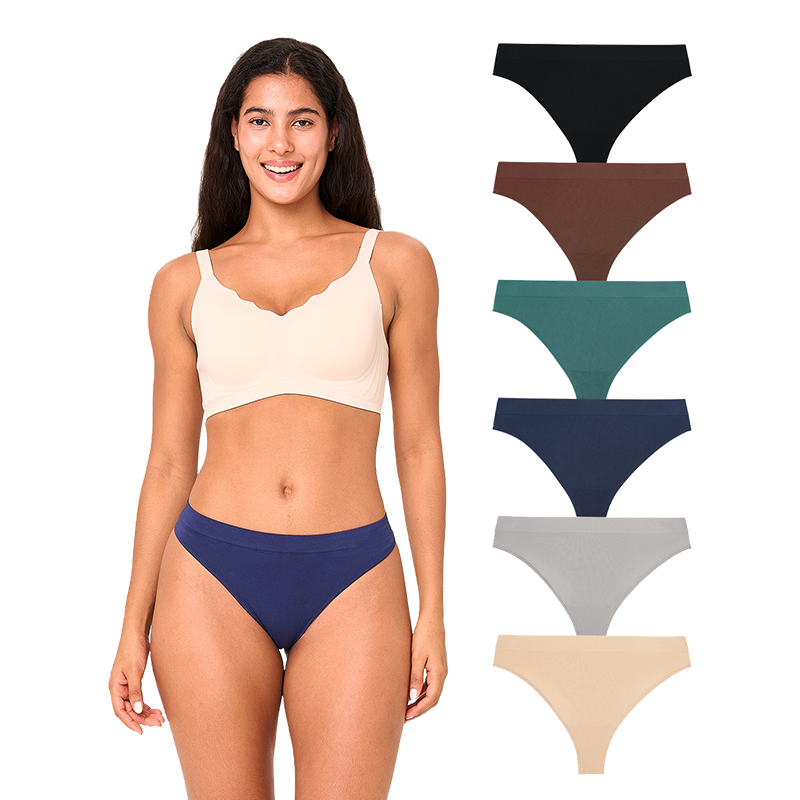
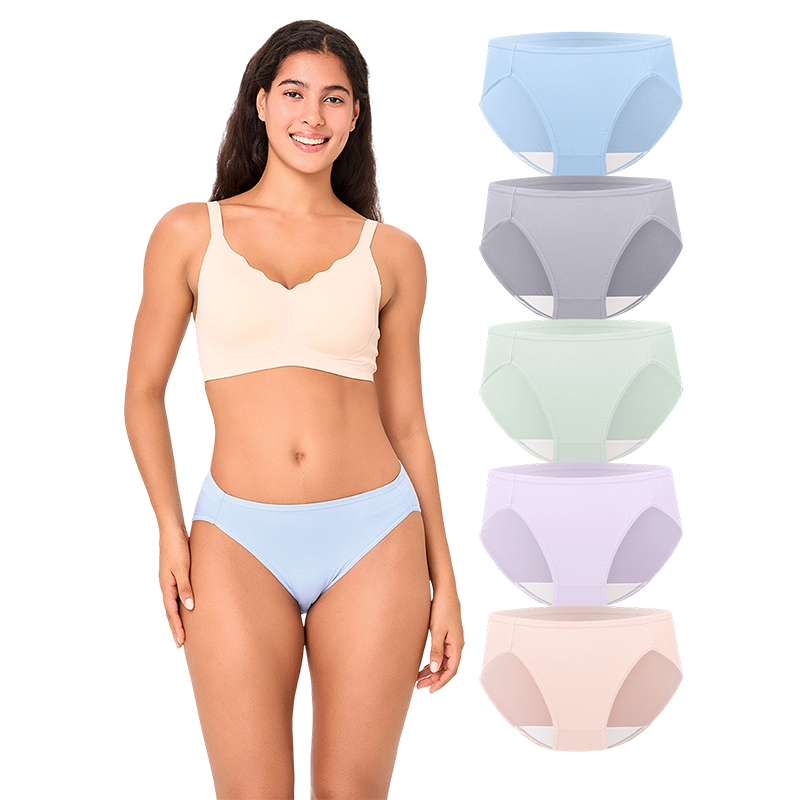
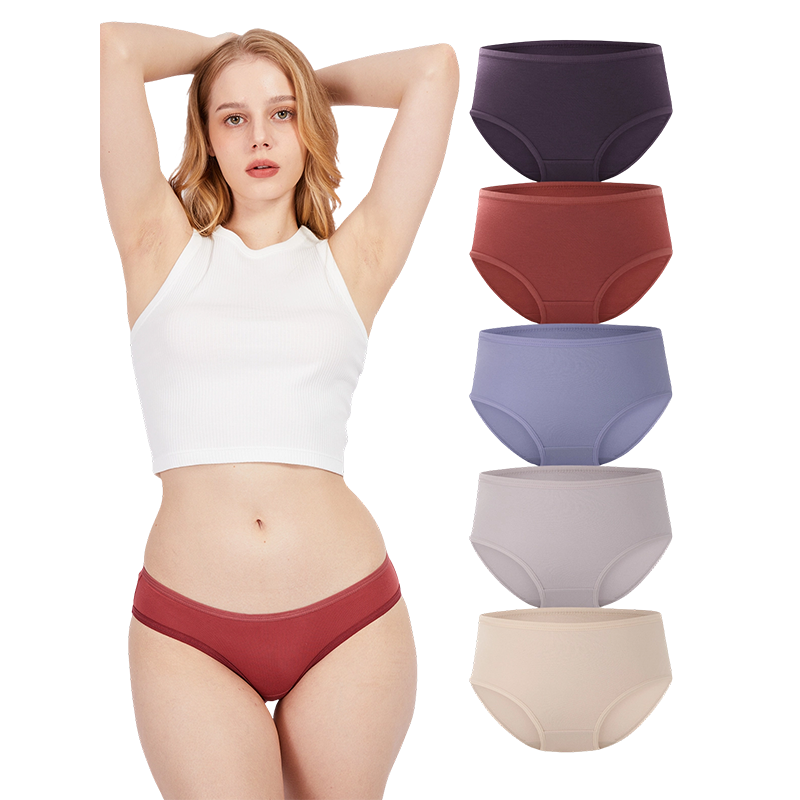
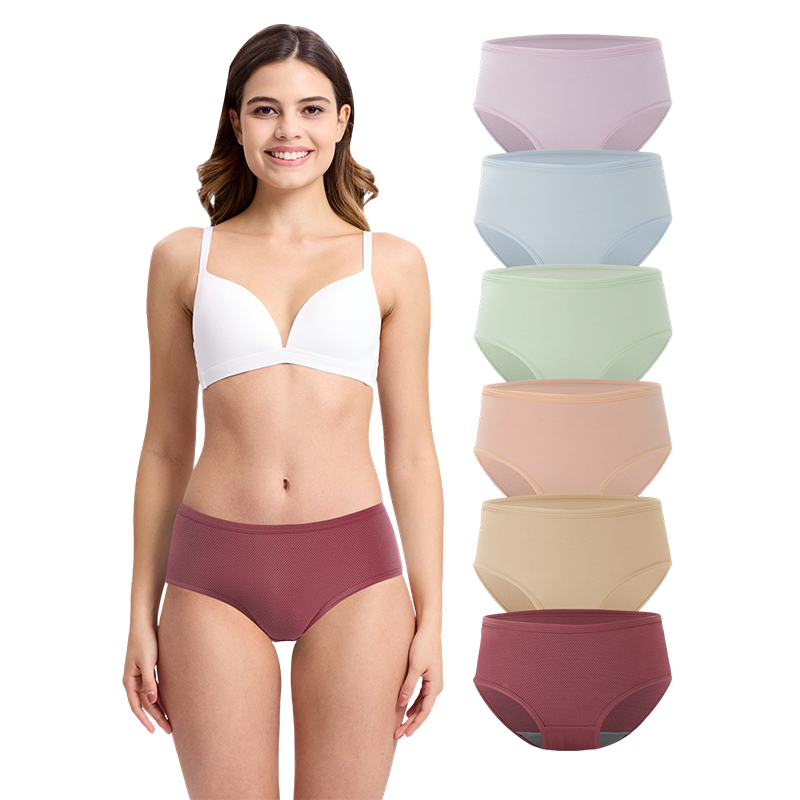
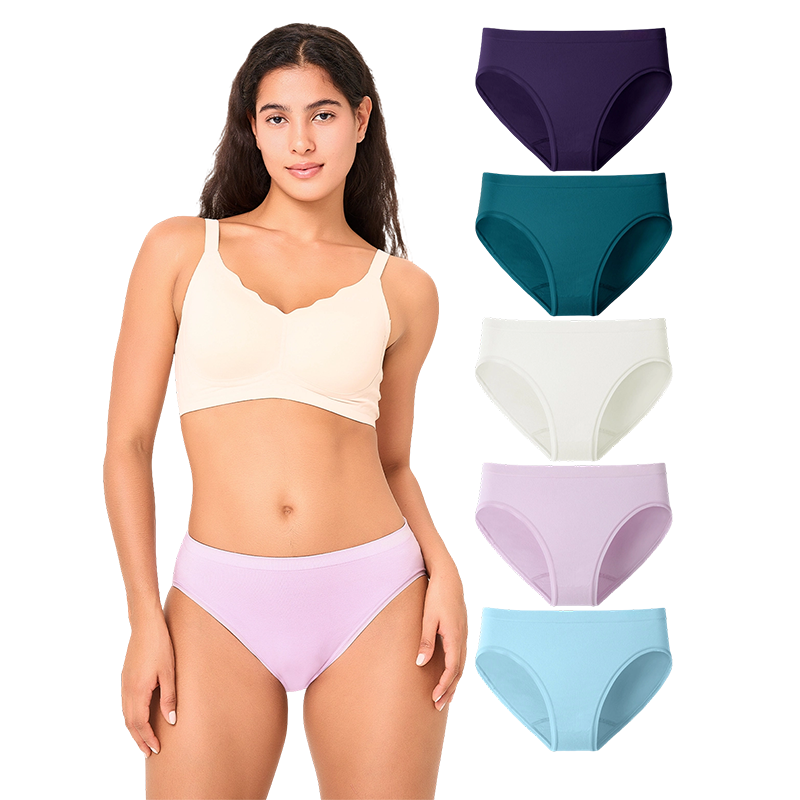
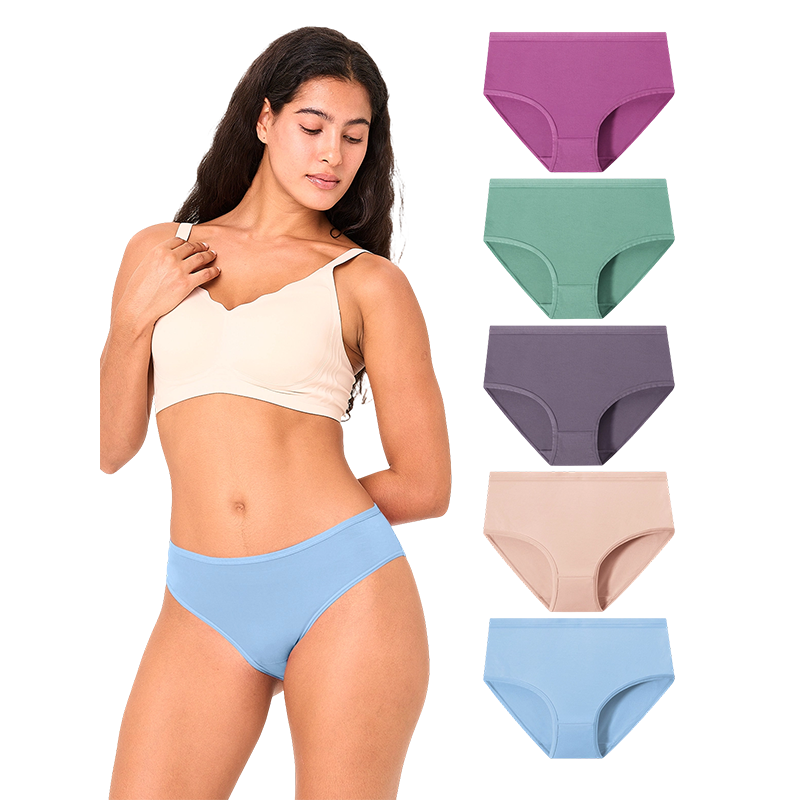
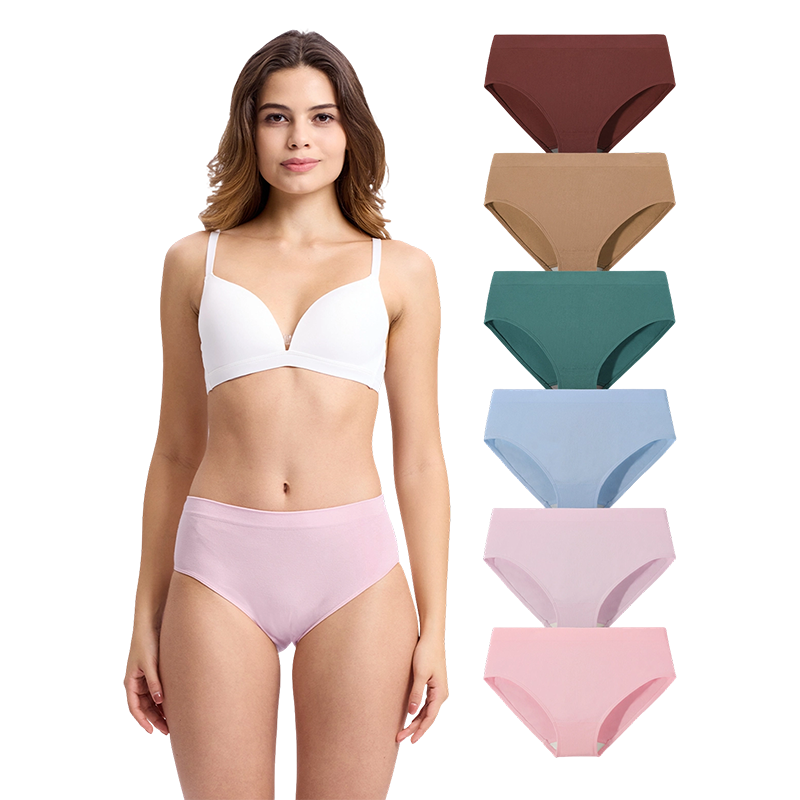
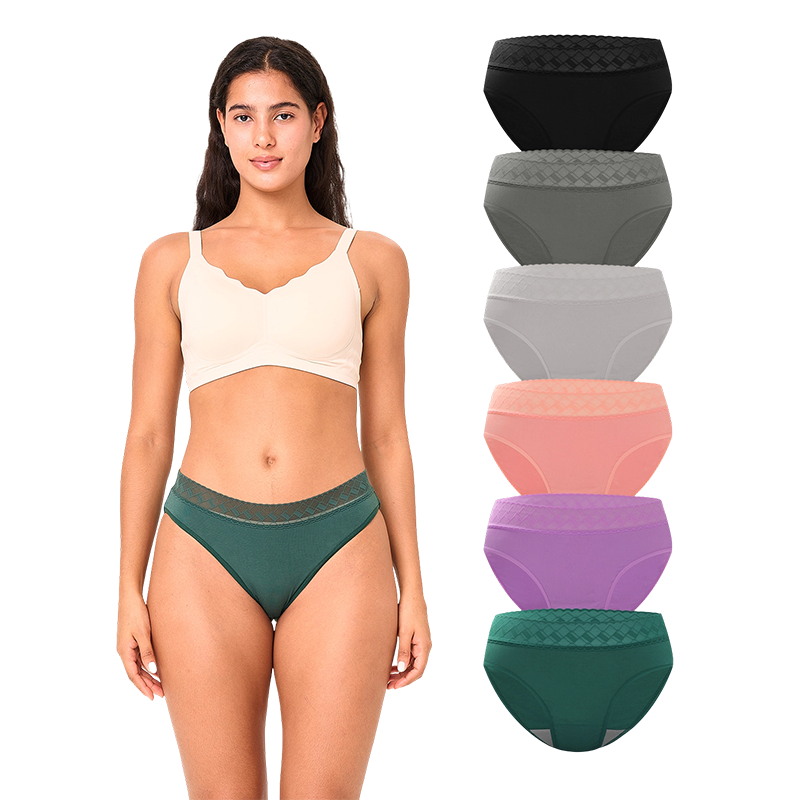
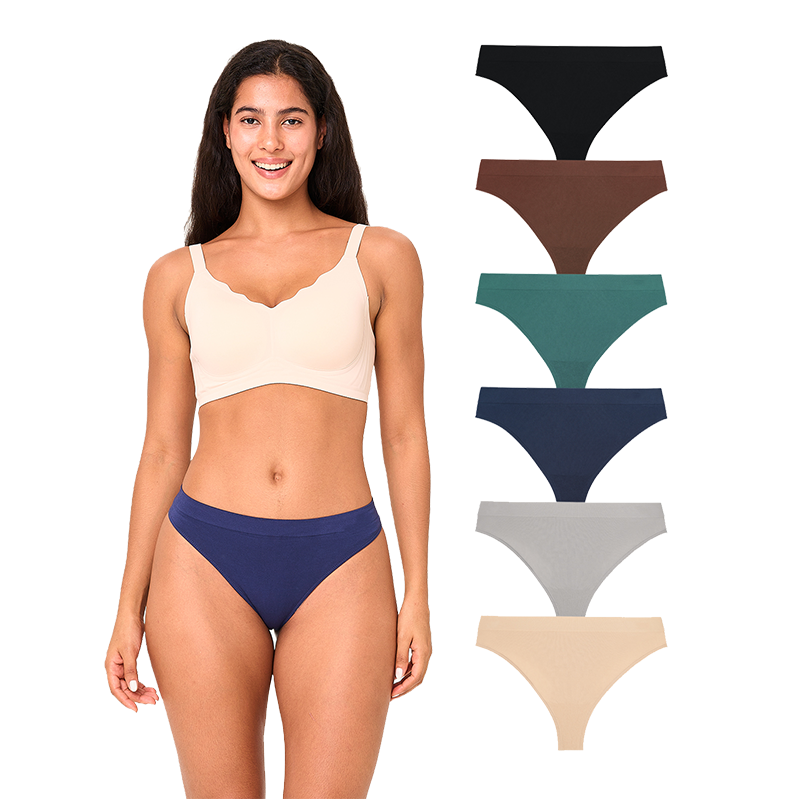
Our seamless thong range covers the three most in-demand rise heights - mid-waist, no-show low-profile, and high-waist - all constructed in soft, stretch-knit seamless fabric for a smooth, invisible finish under any outfit. OEM and ODM orders welcome.

Copyright © Nantong Tianhong Textile Technology Co., Ltd. All Rights Reserved.
 Room 806, Building D, Jingyang Plaza, Chongchuan District, Nantong City, Jiangsu Province,china
 English
 Español
 русский
 عربى
عربى