Content
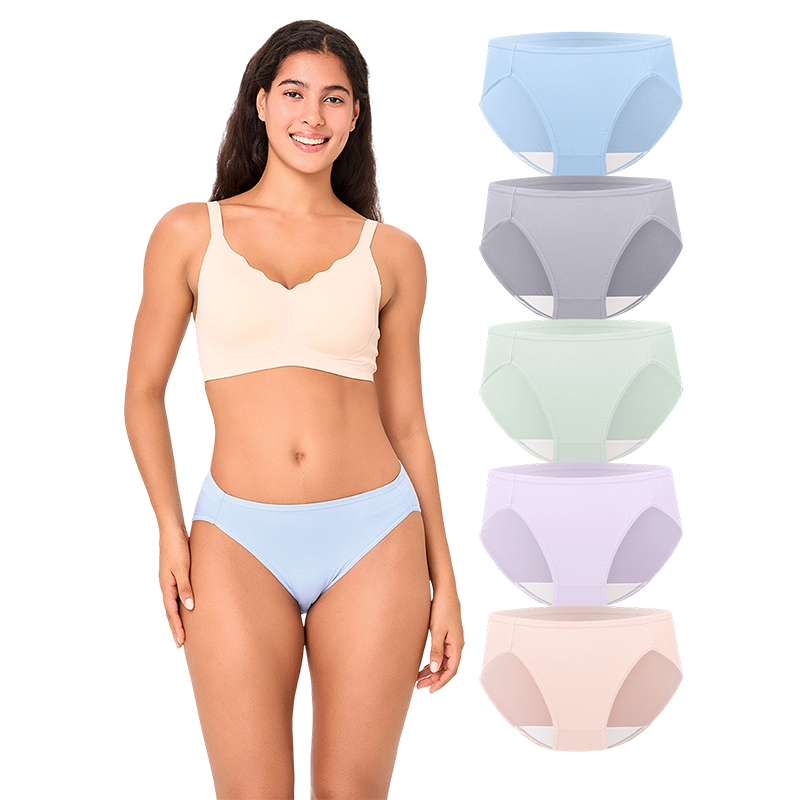
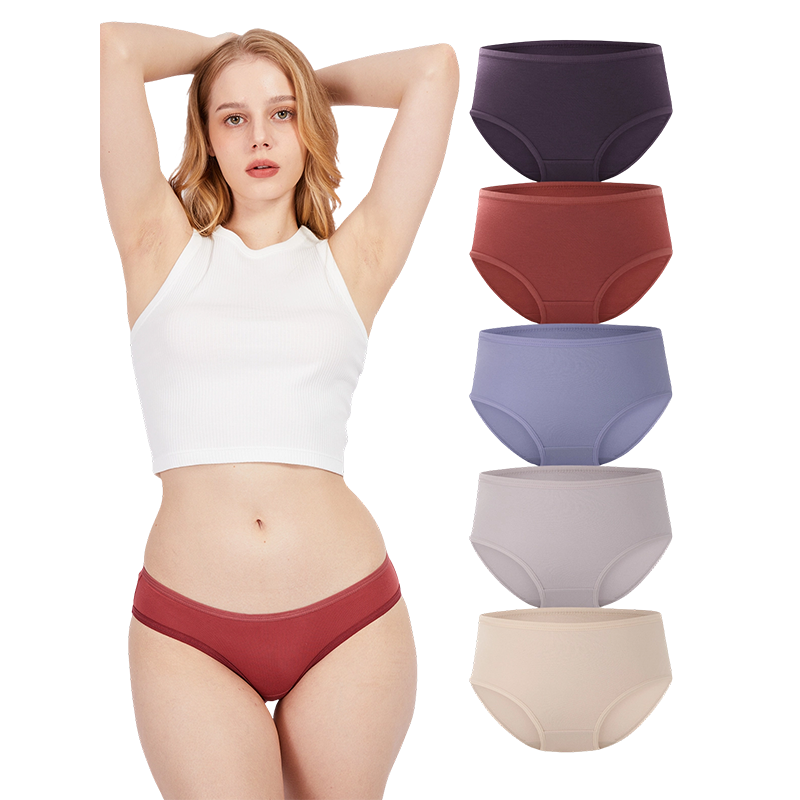
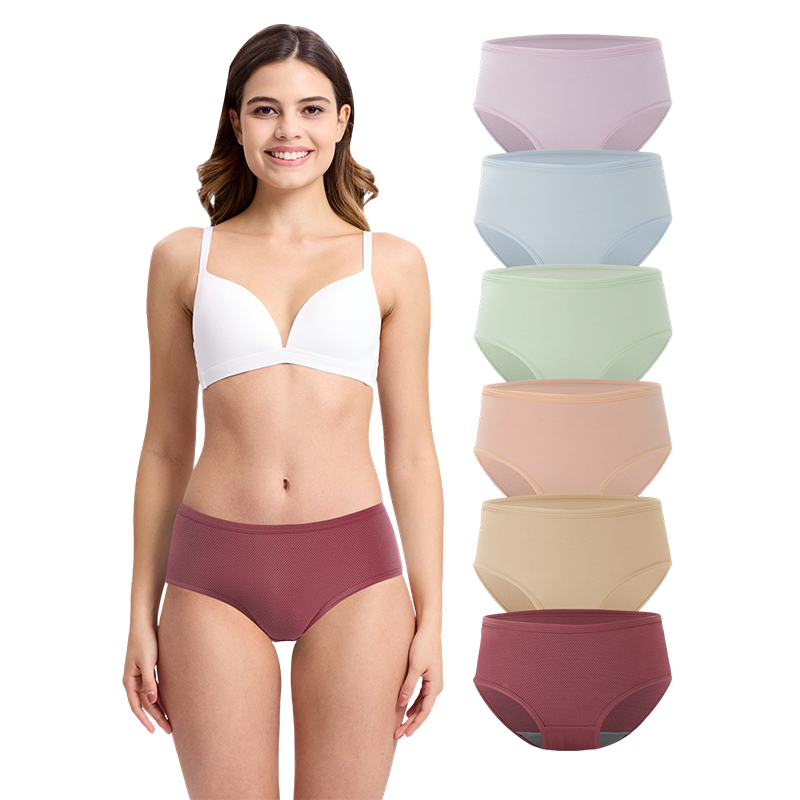
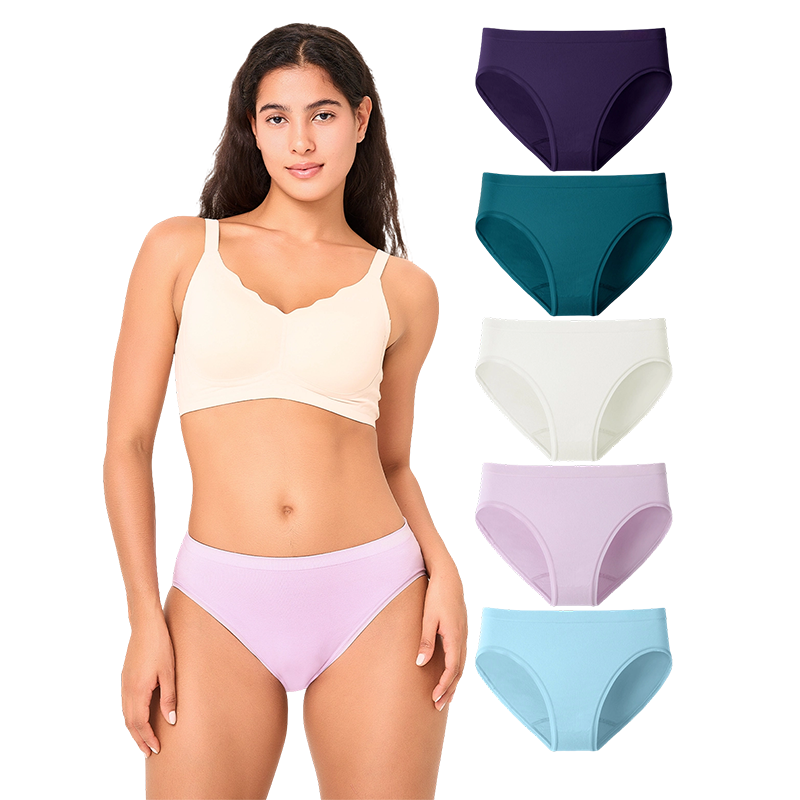
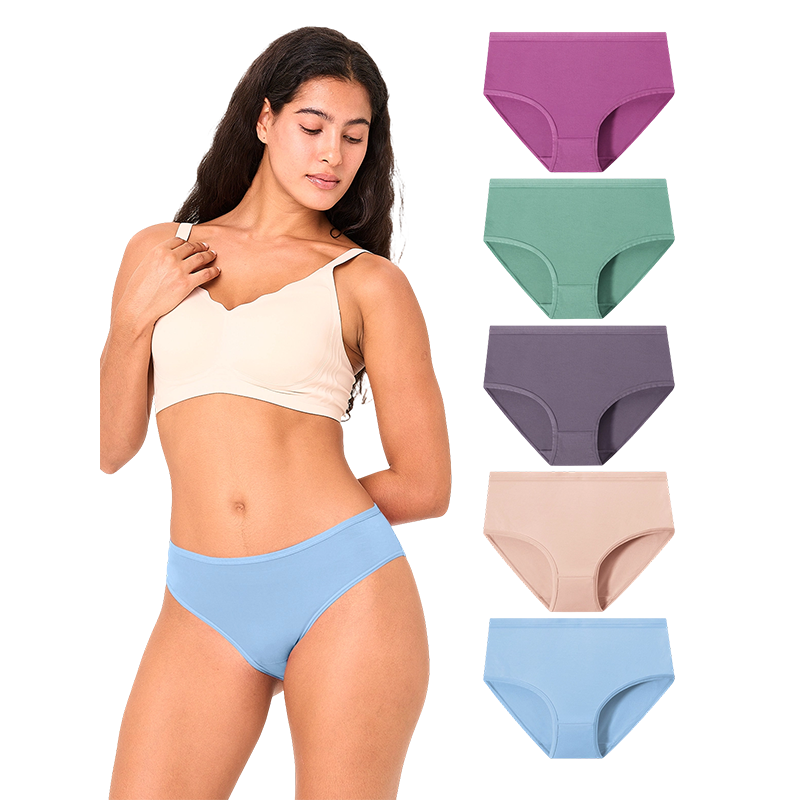
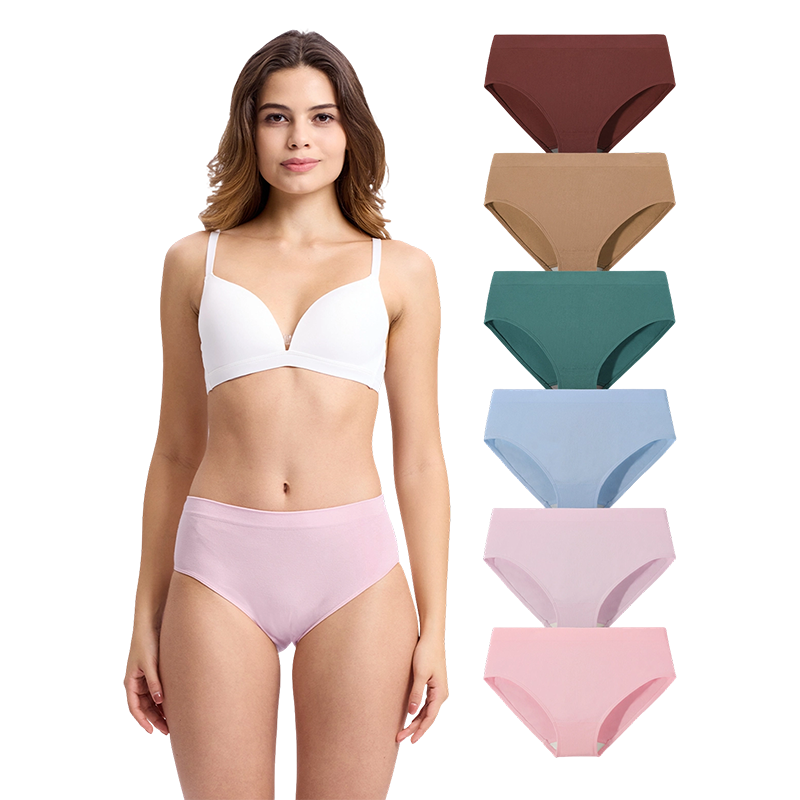
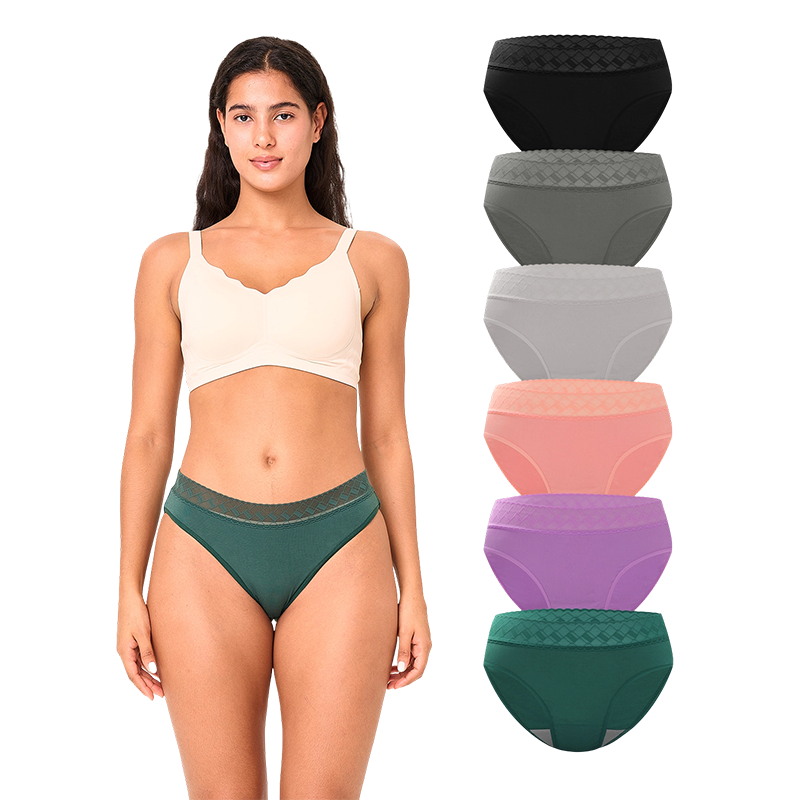
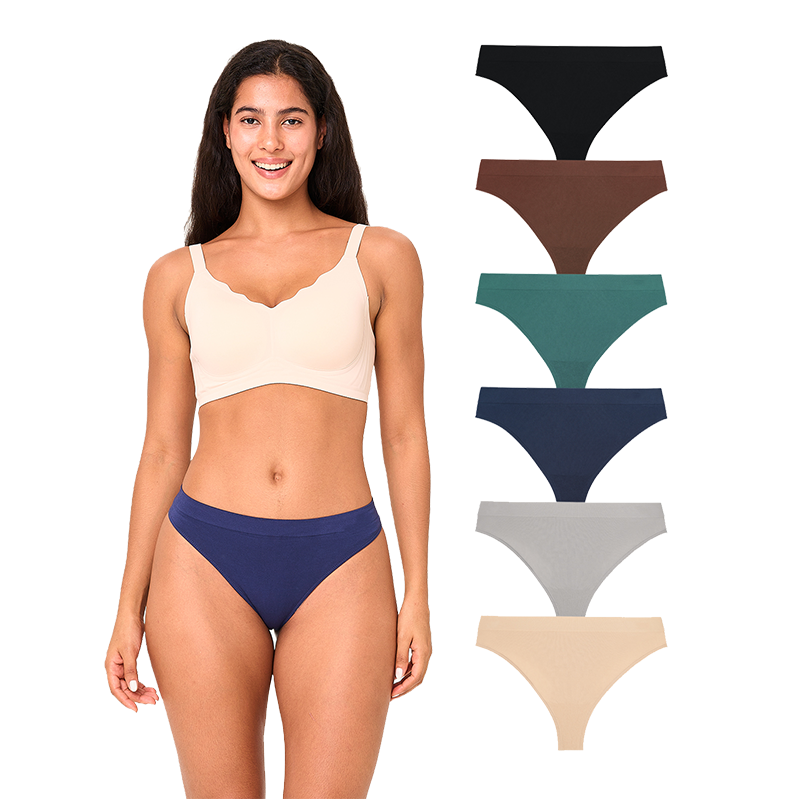
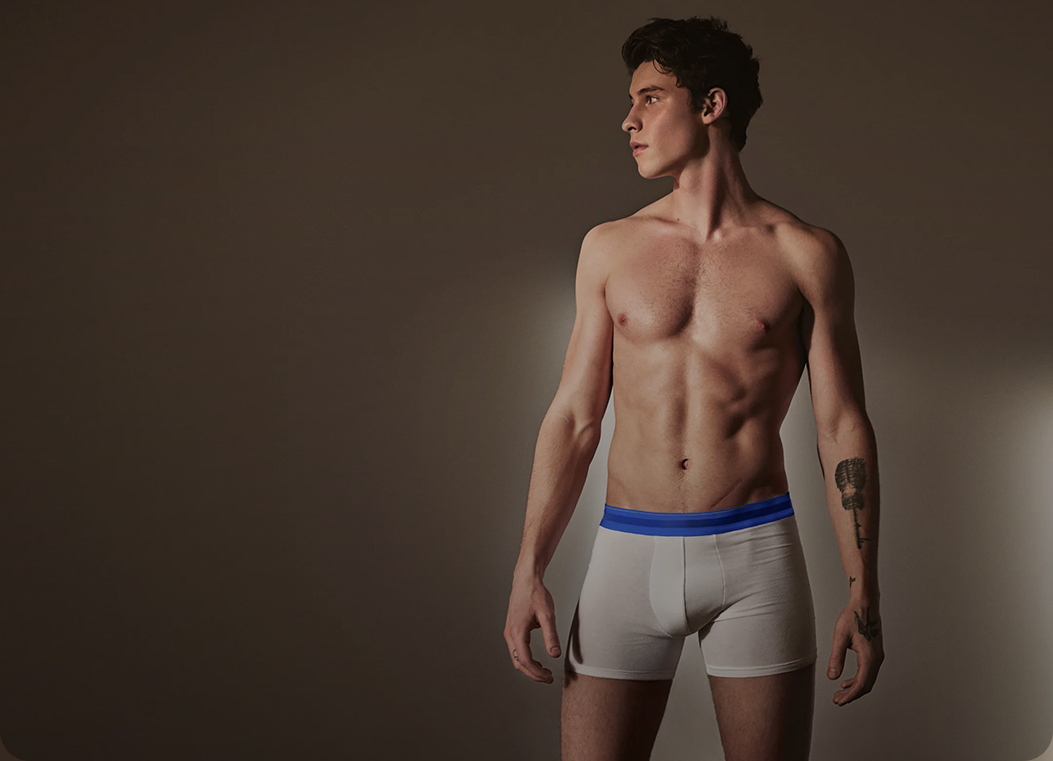
Men's bikini underwear has become one of the most versatile options in the underwear market - offering a low-rise waistband, minimal side coverage, and a contoured front pouch that combines support with a streamlined silhouette. Whether you are new to this style or looking to refine your collection, this guide covers every aspect of fit, fabric, and style so you can make a well-informed choice.
Bikini underwear for men sits lower on the hips than traditional briefs and features narrower side panels - typically between half an inch and one inch wide. The result is a style that reduces fabric bulk under fitted clothing while still providing full front and back coverage.
Unlike briefs, bikinis follow the natural contours of the body more closely. Unlike trunks or boxers, they leave the upper thigh exposed. This makes them a popular choice for wearing under slim-fit trousers, athletic wear, and as standalone swimwear.
Not all bikini underwear is the same. Several distinct cuts exist within the bikini category, each offering a different balance of coverage, support, and aesthetic.
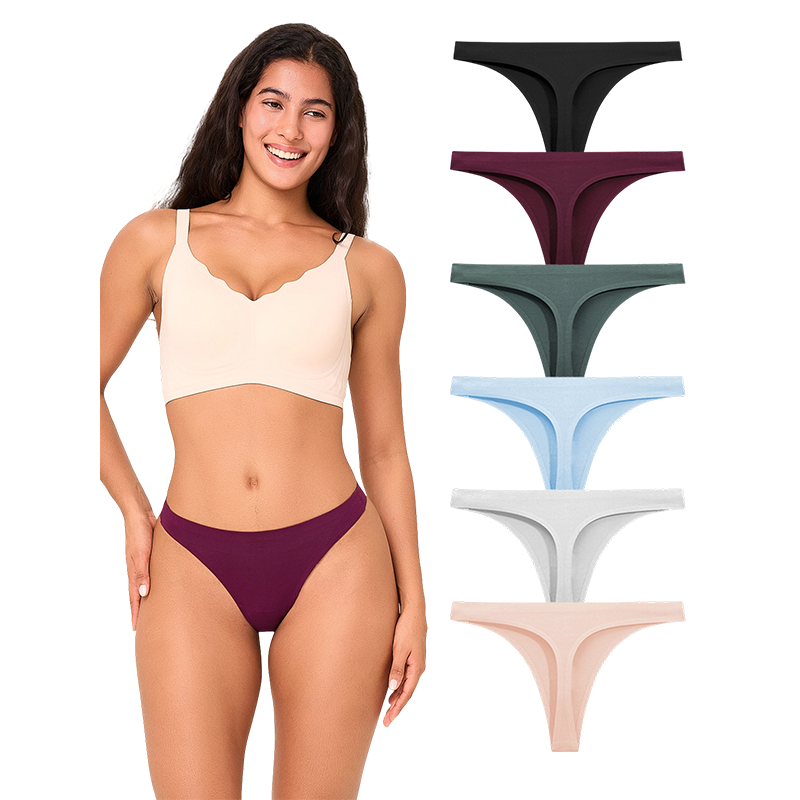
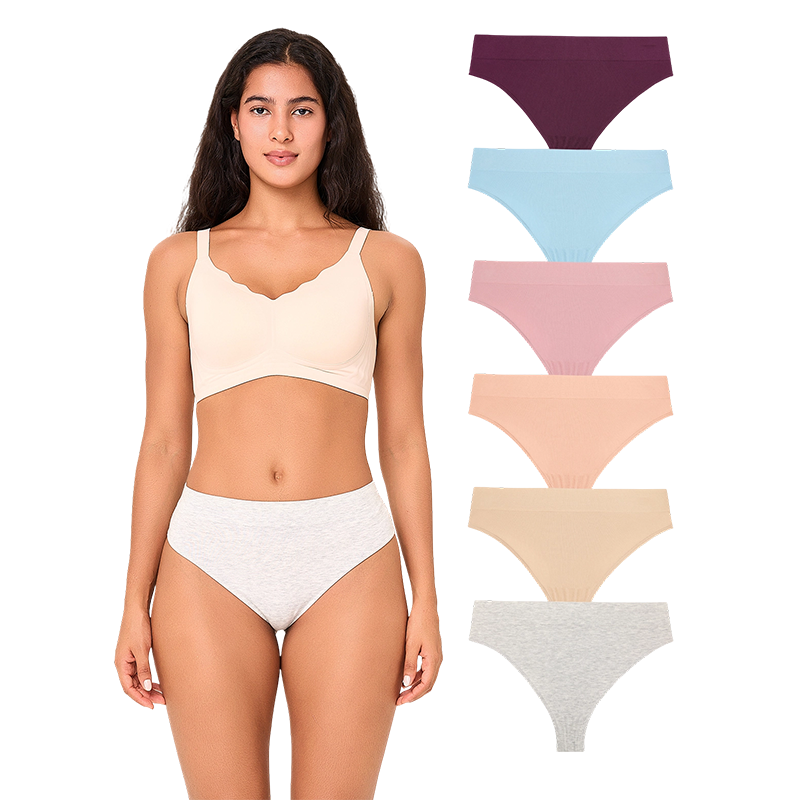
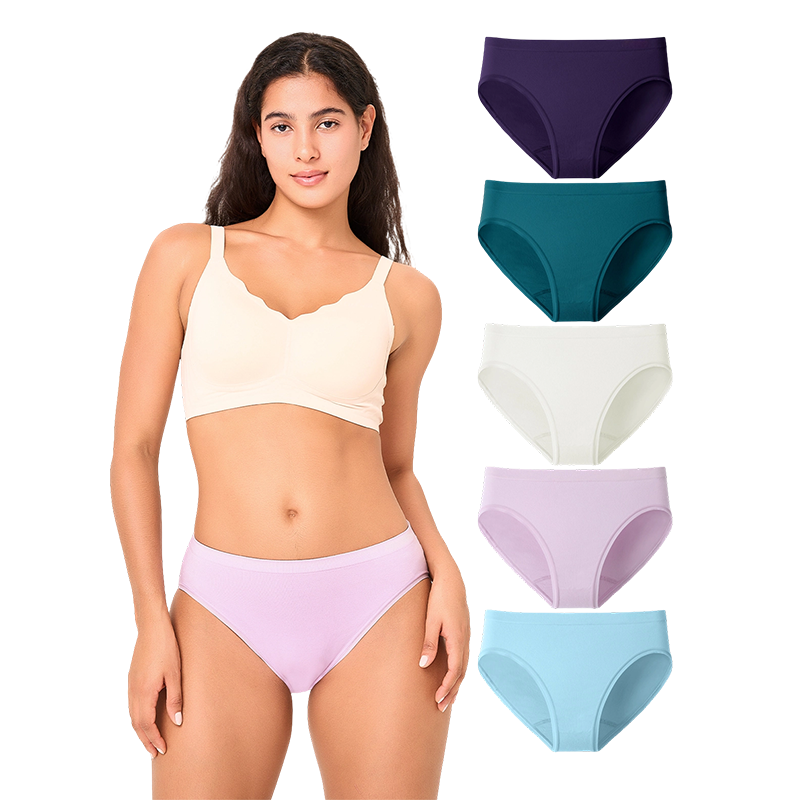
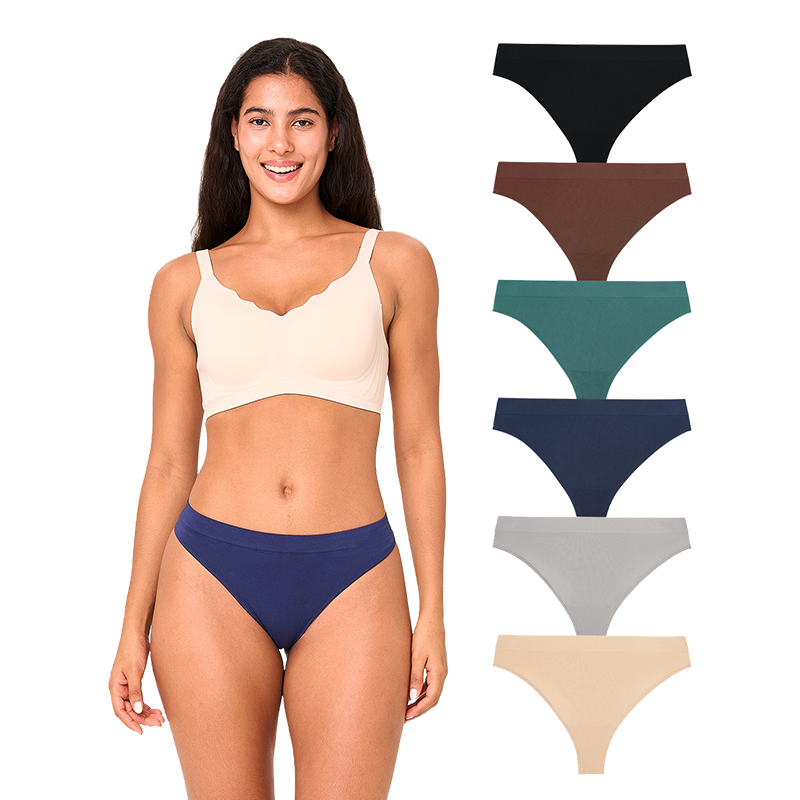
The standard bikini cut with a low-rise waist and side straps roughly half an inch wide. A balanced starting point that works for most body types and everyday use.
Features slightly wider side panels and a reinforced waistband for stability during physical activity. Often made with moisture-wicking or quick-dry fabrics.
Incorporates a three-dimensional front pouch with extra shaping fabric for enhanced support and comfort throughout the day. Popular for all-day wear.
Ultra-minimal side coverage using string or very narrow ribbon-style straps. Designed for maximum tan-line reduction and a bold, fashion-forward look.
Constructed from swimwear-grade fabrics (nylon or polyester blends) that resist chlorine and saltwater. Functions as both underwear and swimwear.
The fabric determines how your underwear feels, breathes, and holds up over time. Each material has distinct strengths depending on whether your priority is softness, moisture control, durability, or stretch.
| Fabric | Feel | Best For | Stretch | Breathability |
| Modal | Silky soft | Everyday comfort | High | Good |
| Cotton | Natural, breathable | Casual daily wear | Low - Medium | Excellent |
| Nylon / Polyamide | Smooth, lightweight | Sport, swim | Medium - High | Moderate |
| Polyester blend | Firm, structured | Active use, swim | Medium | Moderate |
| Bamboo viscose | Ultra-soft, cool | Sensitive skin | Medium | Very good |
| Microfiber | Thin, second-skin | Under fitted clothing | High | Low - Moderate |
For most people, a modal or cotton-modal blend hits the best balance between softness and durability. If you plan to wear bikini underwear during workouts or as swimwear, a nylon-spandex blend is the more practical choice.
Fit is where most men go wrong with bikini underwear. The right pair should feel secure without restricting movement and stay in place without constant readjustment.
Should sit flat against the skin without folding, rolling, or digging in. A well-constructed waistband uses a separate elastic band rather than relying solely on the fabric to hold shape.
Should lie flat on the hip without cutting into the skin or leaving marks. If the straps leave visible indentations after a short wear period, size up.
Should provide enough room for comfortable containment without excess fabric bunching. A contoured pouch design eliminates the flat-panel bunching common in lower-quality bikinis.
Should cover the buttocks comfortably without the fabric riding up. If you experience persistent riding, the leg openings are too narrow - try a half size up.
Underwear sizing varies significantly by brand. Always refer to the specific brand's waist measurement chart rather than assuming your clothing size translates directly. A two-centimeter difference in waist measurement can change the fit noticeably.
The best men's bikini underwear for one situation may not be the right choice for another. Here is how to match your selection to your intended use.
Choose modal or cotton-modal for softness. Prioritize a flat-seam construction to prevent chafing under clothing. A mid-weight fabric (not too thin) holds shape longer through daily washing.
Opt for nylon-spandex or polyester blends with moisture-wicking properties. A sport bikini with a wider waistband provides better stability during high-movement activities.
Select swimwear-rated nylon or polyester with chlorine and UV resistance. Ensure both the fabric and lining are swim-grade. Avoid cotton - it absorbs water and loses shape when wet.
Choose microfiber or thin nylon for a seamless appearance under slim-fit trousers or fitted jeans. Look for no-show waistbands and flat-lock seams that do not create visible lines.
Proper care keeps bikini underwear in shape, prevents elastic degradation, and extends the lifespan of each pair significantly.
Before you commit to a purchase, run through these key criteria to confirm you are selecting the right pair.

Copyright © Nantong Tianhong Textile Technology Co., Ltd. All Rights Reserved.
 Room 806, Building D, Jingyang Plaza, Chongchuan District, Nantong City, Jiangsu Province,china

 English
 Español
 русский
 عربى
عربى