Content
Most sleepwear sourcing conversations eventually circle back to three questions: Will the garment sleep cool, will it survive repeated washing, and will customers actually enjoy the feel? Bamboo viscose fabric sleepwear answers all three better than conventional cotton or basic polyester knits, which is why it has become one of the most requested categories in loungewear programs across Europe and North America. The fabric gives brands the drape of a premium synthetic and the absorbency of a natural cellulosic fiber, at a price point that works for mid-market collections.
Bamboo viscose begins as bamboo cellulose. The plant material is dissolved into a viscous solution, regenerated into filaments, cut into short staple fibers, spun into yarn, and then knitted or woven into fabric. What reaches the consumer is a soft, fluid textile that behaves more like modal or rayon than like the woody plant it came from. That production route matters for one practical reason: the fiber can be engineered during manufacturing, so quality varies noticeably between suppliers.
Buyers often use "bamboo viscose," "bamboo rayon," and "bamboo lyocell" interchangeably, but they are not identical. Bamboo viscose and bamboo rayon describe the same conventional viscose process, which is economical and widely available. Bamboo lyocell uses a closed-loop solvent spinning system that recovers chemicals and generally produces a fiber with higher wet strength. Both work well in sleepwear; viscose remains the volume choice because it keeps the finished garment accessible to a broader price range.
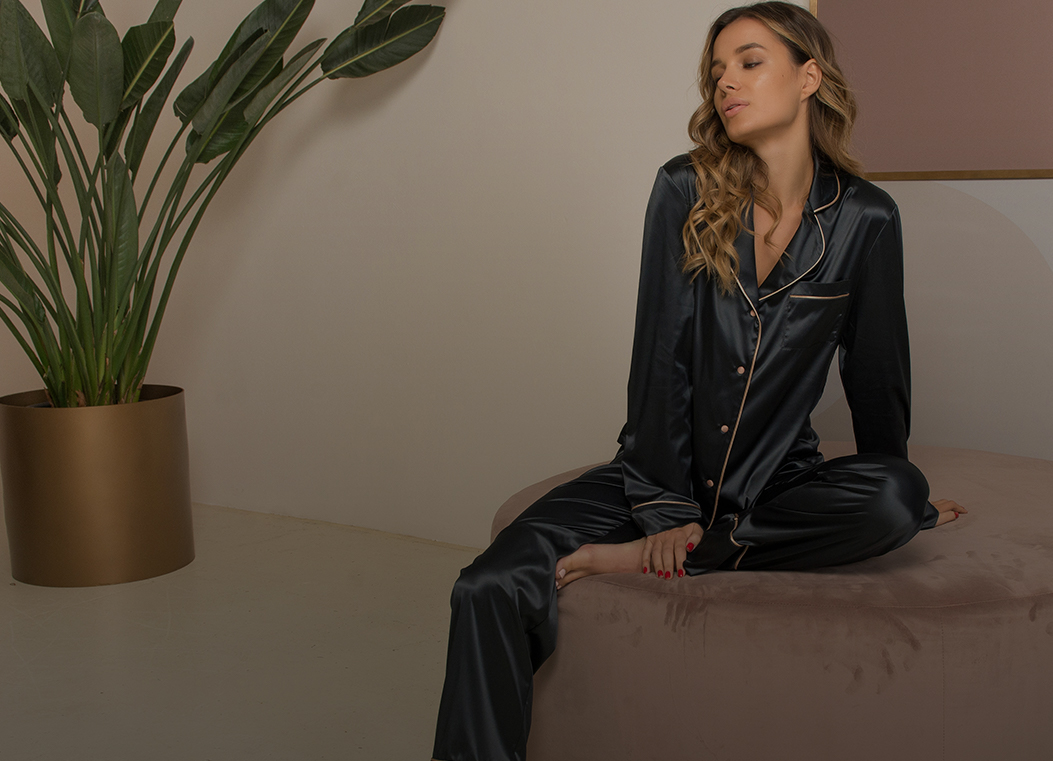
Pure bamboo viscose is extremely soft, but on its own it can stretch out or lose shape after repeated use. That is why commercial sleepwear programs almost always specify a blend. Adding 3 to 8 percent spandex restores elasticity and recovery for fitted silhouettes. Adding polyester increases dimensional stability and reduces shrinkage, which is particularly useful for women's pajama sets that need to hold their cut through many wash cycles. A proven example is the polyester-bamboo women's pajamas program, which combines bamboo comfort with the structure required for retail repeatability.
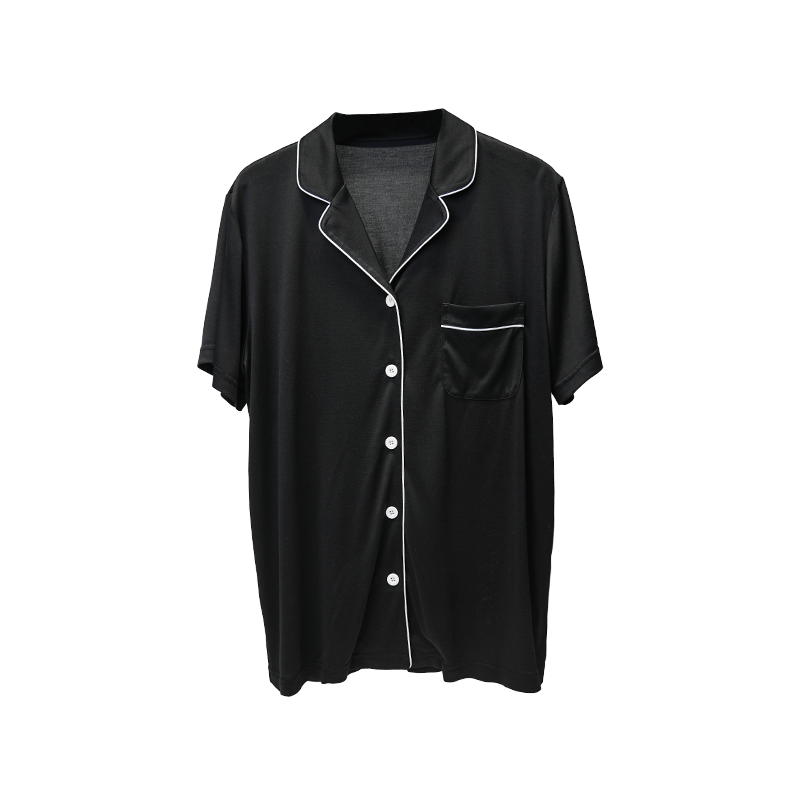 Wholesale Polyester Bamboo Fabric Women's Pajamas Suppliers, OEM/ODM Company - NNantong Tianhong Textile Technology Co., Ltd is a China custom Polyester Bamboo Fabric Women's Pajamas supplier and company, We specializ...View Product →
Sleepwear has one main job: keep the body dry and comfortable for seven to eight hours. Bamboo viscose does this exceptionally well because the fiber absorbs moisture quickly and releases it to the fabric surface, where it can evaporate. Its moisture regain of roughly 11 to 13 percent is noticeably higher than cotton's 7 to 8 percent, which is why hot sleepers and night-sweat sufferers consistently report a cooler, drier night in bamboo viscose. The same mechanism works in cooler weather: the yarn traps small pockets of air, adding light insulation without bulk.
The surface of a bamboo viscose fiber is smooth and round compared with many natural fibers, so it creates less friction against skin. That low-friction profile matters for sensitive skin, eczema-prone customers, and anyone who finds coarse cotton or synthetic fibers irritating. Fabric finished without harsh chemical softeners and certified under Oeko-Tex 100 adds another layer of reassurance for brands marketing to that audience.
Soft fibers are sometimes unfairly labeled delicate. In reality, the durability of bamboo viscose sleepwear depends more on yarn quality, blend ratio, and sewing construction than on the fiber itself. Flat seams, covered seams, and reinforced crotch or gusset areas prevent the pressure points that cause premature wear and skin irritation. When these details are handled properly, a bamboo viscose pajama set can outlast many cotton counterparts.
Brands planning a new sleepwear line usually benchmark bamboo viscose against three familiar materials. The comparison below summarizes the properties that influence buying decisions.
| Property | Bamboo Viscose | Cotton | Modal | Polyester |
| Softness | Very high | Medium | High | Low to medium |
| Moisture absorption | High (11-13%) | Medium (7-8%) | High | Low |
| Breathability | High | High | High | Low to medium |
| Thermal regulation | Good | Good | Good | Poor |
| Dimensional stability | Moderate | Low to moderate | Good | High |
| Skin compatibility | Very good | Good | Good | Variable |
The takeaway is straightforward: bamboo viscose sits in a practical middle zone. It offers the natural comfort that cotton buyers expect, the moisture performance that hot sleepers need, and a distinctly soft hand feel that supports a higher retail price. Polyester remains the cheapest option, but its low breathability and limited absorbency make it a hard sell for premium sleepwear positioning.
Sleepwear fabrics typically fall between 120 and 160 grams per square meter for jersey knits. Lighter weights suit summer collections and warmer climates, while brushed or heavier weights work for cooler seasons. The yarn count and knitting structure determine the drape: a finer yarn produces a silkier, more fluid fabric, while a coarser knit delivers a more substantial, loungewear feel. Ordering a hand-feel swatch before committing to bulk is the only reliable way to confirm the aesthetic. For summer programs, a shorter silhouette such as women's bamboo sleep shorts keeps the same fiber benefits while reducing fabric weight. Beyond the fiber itself, silhouette and fit decide whether a style becomes a repeat purchase; practical guidance on choosing comfortable pajamas covers the same criteria consumers apply in stores.
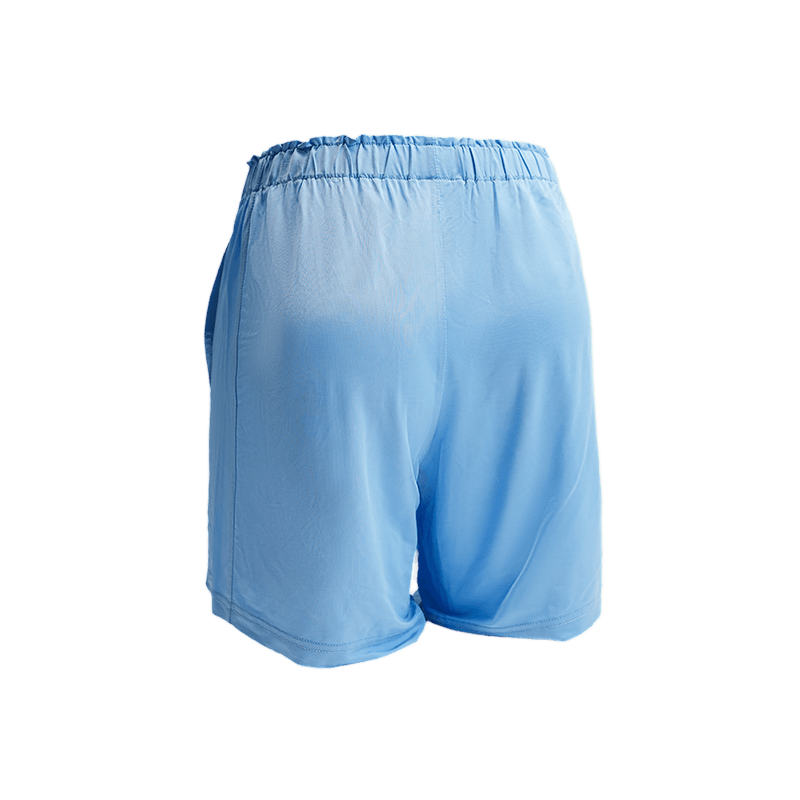 Wholesale Women's Bamboo Viscose Sleep Shorts Suppliers, OEM/ODM Company - Nantong Tianhong Nantong Tianhong Textile Technology Co., Ltd is a China custom Women's Bamboo Viscose Sleep Shorts supplier and company, We specialize in...View Product →
Construction details define how a garment feels at three in the morning. Flat or covered seams reduce irritation for side sleepers. Waistbands need a soft wrap or wide elastic that does not dig into the skin. Labels should be printed or heat-transferred instead of sewn in. These details are exactly what separates an average bamboo pajama from a premium one, and they are also where factories can cut corners if the buyer does not specify them.
Bamboo viscose accepts color well, which gives brands a wide palette for sleepwear collections. Solution-dyed or dope-dyed bamboo, where pigment is added to the spinning solution rather than the finished fabric, significantly reduces water use and delivers excellent colorfastness. Whether you choose solids, yarn-dyed stripes, or printed patterns, the dyeing route affects both cost and environmental claims, so it should be agreed on early in development. For buyers who want a proven starting point, the existing men's bamboo fabric sleepwear range shows how fiber, blend, and finishing decisions come together in a manufacturable product.
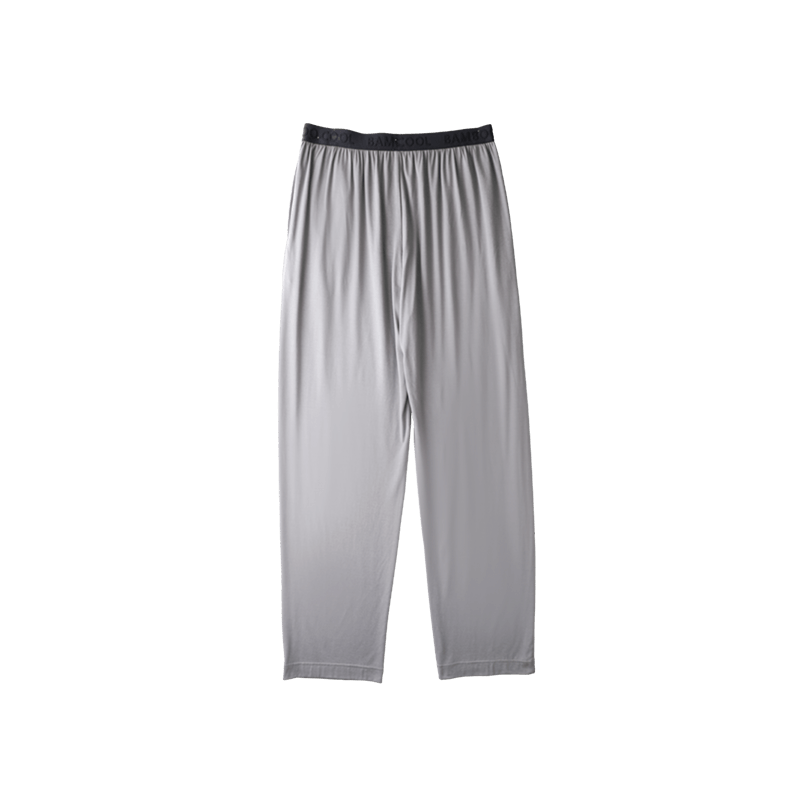 Wholesale Bamboo Viscose Fabric Sleepwear Suppliers, OEM/ODM Company - Nantong TianhongNantong Tianhong Textile Technology Co., Ltd is a China custom Bamboo Viscose Fabric Sleepwear supplier and company, We specialize in who...View Product →
Certifications are not decoration; they are the evidence behind sustainability claims. For bamboo viscose sleepwear, three labels come up most often in B2B inquiries. FSC certification traces the wood pulp back to responsibly managed sources. OCS verifies the organic content of the fiber if the collection uses organic bamboo. Oeko-Tex 100 tests the finished garment for hundreds of regulated substances, which is the certificate retailers most frequently require for direct skin contact apparel. A deeper look at how these labels fit into a broader compliance strategy can be found in this guide to sustainability certifications in the fashion industry.
Whether you are launching your first bamboo sleepwear collection or expanding an existing program, the sourcing process is a series of decisions that should be made in order. A manufacturer with dedicated OEM/ODM sleepwear production can translate your size curve, packaging, and compliance requirements into a repeatable product, but the responsibility for asking the right questions stays with the buyer.
A factory with more than two decades of underwear and loungewear manufacturing experience, such as the Nantong-based team behind this guide, will typically have tested most of these variables across seasons and can recommend the right starting specifications.
Care instructions affect customer satisfaction and return rates, so they deserve as much attention as the fabric itself. Machine wash cold on a gentle cycle with a mild detergent, and avoid bleach and fabric softener. Softener coats the fibers and gradually reduces absorbency. Tumble dry on low or line dry; high heat can accelerate shrinkage and weaken the fiber over time. Putting a care card in the garment is a small step that significantly reduces avoidable complaints.
Bamboo viscose fabric sleepwear delivers the softness, moisture control, and skin compatibility that modern consumers expect, and it supports a premium price point when the garment construction and certifications match the fiber quality. For buyers who specify their blends, construction details, and compliance documents carefully, bamboo viscose is one of the most dependable sleepwear categories available.

Copyright © Nantong Tianhong Textile Technology Co., Ltd. All Rights Reserved.
 Room 806, Building D, Jingyang Plaza, Chongchuan District, Nantong City, Jiangsu Province,china
 English
 Español
 русский
 عربى
عربى