Content
The most comfortable pajamas are those made from breathable, skin-friendly fabrics that match your sleeping environment and personal habits. Fabric choice accounts for roughly 70% of how comfortable you feel in bed, followed by fit, weight, and care requirements. Whether you run hot at night, have sensitive skin, or simply want something that holds up after dozens of washes, this guide walks you through every factor that matters.
Before worrying about color or cut, get the fabric right. Different materials behave very differently overnight, and the wrong choice can leave you sweaty, itchy, or too cold.
| Fabric | Breathability | Moisture-Wicking | Durability | Best For |
| 100% Cotton | High | Moderate | Moderate | Sensitive skin, year-round use |
| Bamboo | Very High | High | High | Hot sleepers, eco-conscious buyers |
| Polyester Blend | Moderate | Moderate-High | Very High | Budget-friendly, long-lasting |
| Silk | High | Low | Low | Luxury feel, mild climates |
| Flannel | Low | Low | High | Cold climates, winter nights |
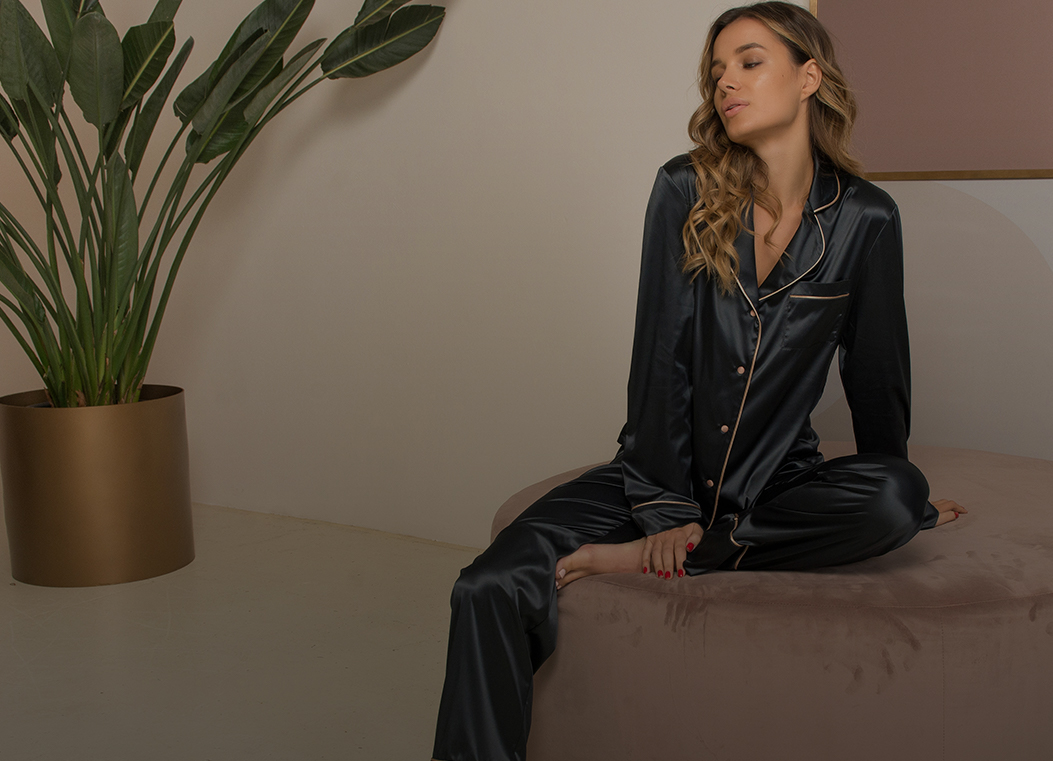
A growing number of sleepwear brands now blend polyester with bamboo fiber to get the best of both worlds: polyester adds shape retention and wash durability, while bamboo contributes natural breathability and softness. Polyester Bamboo Fabric Women's Pajamas are a good example of this approach, offering a lightweight, silky-smooth feel that works across seasons without sacrificing longevity.
Body temperature drops by about 1 to 2 degrees Fahrenheit during sleep, but individual variation is significant. Roughly 35% of adults describe themselves as hot sleepers, meaning they regularly wake up sweating or feeling overheated. Knowing your type guides both fabric and weight decisions.
Prioritize moisture-wicking and highly breathable materials. Look for:
Focus on insulation and coverage. Look for:
Even the best fabric feels wrong in the wrong cut. Two people wearing identical pajamas in the same size can have completely different experiences depending on their body shape and how they sleep.
Side sleepers tend to need more fabric in the hip and shoulder area to avoid bunching. Back sleepers often prefer a slightly slimmer cut since extra fabric can ride up under the body. Avoid elastic waistbands that are too tight; they create pressure points after several hours in one position.
Many sleep specialists recommend sizing up by one when buying pajamas, especially in woven fabrics like cotton or linen. A size larger gives an extra 1 to 2 inches of ease across the chest, hips, and inseam, which translates directly into fewer movement restrictions during sleep.
If you have eczema, rosacea, or generally reactive skin, fabric certifications are not marketing fluff. They indicate that the textile has been tested for harmful substances and finished without irritating chemical residues.
For most people with sensitive skin, bamboo blends certified under OEKO-TEX are the safest and softest starting point. The fiber is naturally hypoallergenic and does not require heavy chemical treatment to achieve its smooth texture.
Comfort is partly about style preference. The right silhouette depends on your sleeping habits, whether you share a bed, and how much you move at night.
A well-made pair of pajamas washed twice a week should comfortably last 12 to 18 months before showing noticeable wear. Cheaper sets made from thin cotton or low-quality polyester often pill or lose their shape within 3 to 4 months of regular washing.
Comfortable pajamas do not have to be expensive, but quality has a floor. Expect to spend between $30 and $70 for a set that performs well and lasts through regular use. Sets under $20 often cut corners on fabric weight, seam quality, or dyeing processes. Sets above $100 typically reflect brand premium or specialty materials like silk rather than dramatically better sleep comfort.
If you are buying for the first time or testing a new fabric type, start in the $35 to $55 range. That price point covers most bamboo blends, quality cotton sets, and well-constructed synthetic blends without requiring a large upfront investment.
Use this summary to match your main concern to the right starting point:
| Your Priority | Recommended Fabric | Recommended Style | Key Feature to Check |
| Staying cool | Bamboo or bamboo-polyester blend | Shorts set or nightgown | GSM under 150, moisture-wicking |
| Sensitive skin | OEKO-TEX certified bamboo or organic cotton | Any with flat seams | No synthetic dyes, tagless label |
| Staying warm | Flannel or brushed cotton | Long-sleeve top and full pants | Cuffed hem, heavier GSM |
| Long-term durability | Polyester blend or poly-bamboo | Two-piece set | Double-stitched seams, covered waistband |
| Luxury feel | Silk or high-quality bamboo | Nightgown or fitted two-piece | Thread count, drape quality |
Choosing comfortable pajamas comes down to three decisions made in order: pick the right fabric for your body temperature, choose a cut that suits how you sleep, and confirm the construction quality will hold up over time. Certifications, fabric blends, and style options all matter, but they only refine a decision that starts with understanding what your body actually needs at night.
Once you find a combination that works, it is worth buying more than one set. Rotating between two or three pairs significantly extends the life of each and keeps you consistently comfortable without waiting on laundry days.

Copyright © Nantong Tianhong Textile Technology Co., Ltd. All Rights Reserved.
 Room 806, Building D, Jingyang Plaza, Chongchuan District, Nantong City, Jiangsu Province,china
 English
 Español
 русский
 عربى
عربى