Content
Women's boyshorts are made in one of two ways. In cut-and-sew construction, flat knit fabric is cut into pattern pieces (front, back, gusset and sometimes panels) and joined with overlock, flatlock or coverstitch seams. In seamless construction, a circular knitting machine knits the garment in tubular form, so there is no side seam, and the edges are finished by bonding or cutting. Cut-and-sew gives you more freedom in fabric, color and fit. Seamless gives a smoother, no-show result but needs more setup and offers less flexibility.
Most brands decide by product positioning: cut-and-sew for fabric-driven basics and design details, seamless for smooth everyday and activewear styles. The sections below walk through pattern making, grading and both production routes so you know what to specify and what to expect when you brief a factory.
A basic cut-and-sew boyshorts is built from only a few pieces, but each one affects fit. Knowing the vocabulary makes tech packs clearer and sampling faster.
Front panel
Sets front rise and leg line
Back panel
Controls seat coverage
Gusset
Crotch lining, often cotton
Waist and leg elastic
Holds position and comfort
Some designs split the front or back into two or three panels to add shaping, contrast fabric or mesh. More pieces mean more seams, more cutting time and more places to control quality, so extra panels should earn their place through fit or design value.
Boyshorts sit between a brief and a short, so the leg length and rise are where fit usually goes wrong. These are the measurements to put in your tech pack and review at every fit session.
| Measurement | What it controls | Decision to make |
| Front and back rise | Where the waistband sits and how much seat is covered | Low, mid or high waist |
| Inseam length | How far the leg extends down the thigh | Short, mid or long leg |
| Leg opening | Grip on the thigh, rolling and visible lines | Relaxed width and elastic tension |
| Waist and hip width | Overall fit and how much stretch is needed | Fabric stretch and negative ease |
| Gusset length and width | Crotch comfort and coverage | Lining fabric and seam position |
Measure garments flat and relaxed, then also record stretched widths for waist and leg openings. Stretched measurements show whether the fabric and elastic will actually fit the size range you plan to sell.
Grading is the process of turning one approved base size into every other size. Simply scaling the base pattern up or down does not work, because the body does not grow in even proportions. A size XL needs more seat and thigh room, but not a proportionally longer rise.
Good grade rules set different increments for width, rise, inseam and leg opening, and are checked on the smallest and largest sizes, not only the base size. Elastic length is graded too, since the same tension on a longer opening should produce a similar feel. Brands that plan to sell across a wide range should ask for fit samples in at least the base size and one extreme, so grading issues show up before bulk cutting.
Practical tip: Fix the base size first. Every change to the base pattern after grading means regrading the entire size set, which costs time and sample rounds.
Cut-and-sew boyshorts follow the same basic path in most factories. Quality is decided at the early steps as much as at the sewing machine.
Rolls are checked for defects, shade variation and width. Knit fabric is relaxed before cutting so it can settle and reduce later shrinkage and distortion.
Pattern pieces are laid out to use fabric efficiently, then fabric is spread in layers without tension. Spreading with tension is a common cause of finished garments that twist or measure out of spec.
Layers are cut, pieces are numbered by shade lot and bundled so that front, back and gusset in one garment come from the same fabric roll.
The gusset is attached, side seams are joined, and leg openings and waistband are finished. Stitch type, stitch density and thread stretch must suit the knit, or seams will pop when the garment is stretched on.
Loose threads are trimmed, garments are pressed or steamed to set shape, and labels or heat transfers are applied in the correct position.
Garments are checked for stitching faults, measurements and appearance, then folded and packed to the agreed method.
Seam choice changes both comfort and look. Four finishes cover most boyshorts on the market.
The classic, fast and economical option. Seams are raised slightly, which is fine for basics and less ideal for no-show styles.
Seams lie flat against the skin, reducing rubbing. Popular for comfort-led and sport-leaning designs, with a visible decorative stitch line.
A stretchy folded hem for leg openings and waistbands. Clean on the outside and flexible enough to move with the fabric.
Edges are cut and joined with heat-activated tape, leaving no stitch line. Gives a smooth, flat finish that suits premium and no-show styles.
Seamless boyshorts are produced on circular knitting machines sized for garments. The machine knits the garment as a tube, from the waist to the leg openings, in one continuous process. Because the structure is programmed, different zones can use different stitches within the same garment: a denser knit at the seat, open mesh at the sides, a softer band at the waist.
After knitting, the garment is heat-set so it holds its shape, and the leg and waist edges are finished by bonding, cutting or a simple turned hem. Many so-called seamless boyshorts still have a small sewn or bonded crotch panel, and fully zero-seam garments are less common than the name suggests.
Seamless fabric is usually nylon or polyester blended with spandex, because these yarns give the smooth surface and strong recovery the knitting and bonding process requires. Cotton and modal can be knitted seamless too, usually blended with nylon for stretch and stability.
| Factor | Cut-and-sew | Seamless |
| Fabric choice | Very wide: cotton, modal, bamboo viscose, blends | Mostly nylon or polyester blends |
| Look under clothing | Good, best with flatlock or bonded edges | Excellent, very smooth lines |
| Design flexibility | High: panels, prints, lace, trims | Limited to what the machine can knit |
| Setup and sampling | Pattern and sample, adjustable between rounds | Machine programming, heavier on first sample |
| Order quantities | Flexible for small and mid runs | Usually larger runs per color |
| Fit adjustments | Easy: edit the pattern | Harder: reprogram the knit |
| Fabric waste | Cutting waste from pattern layout | Very low, garment is knitted to shape |
Use the product story to decide, not the technology. A few common scenarios:
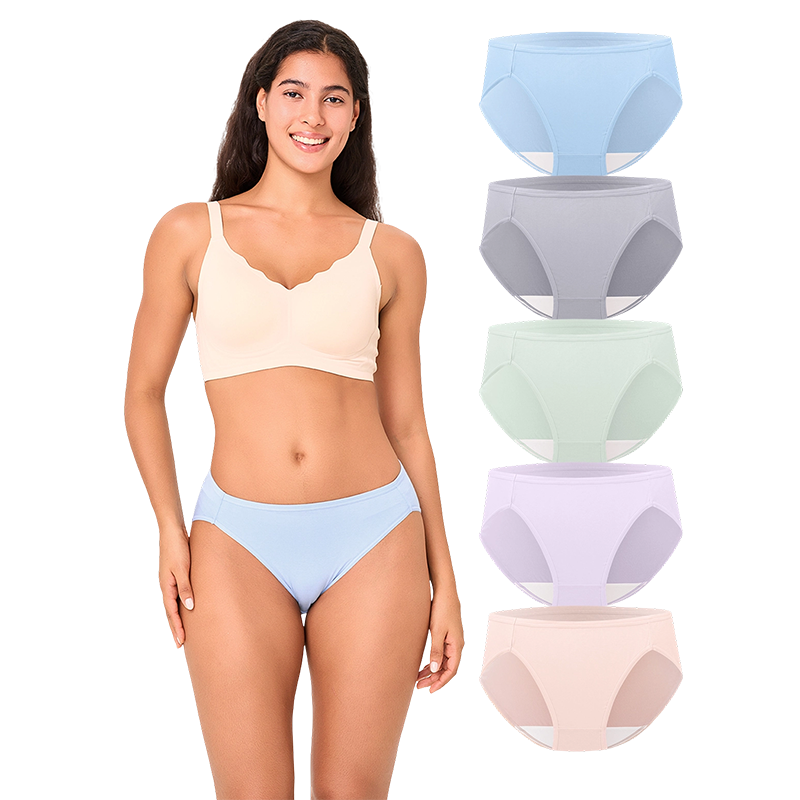
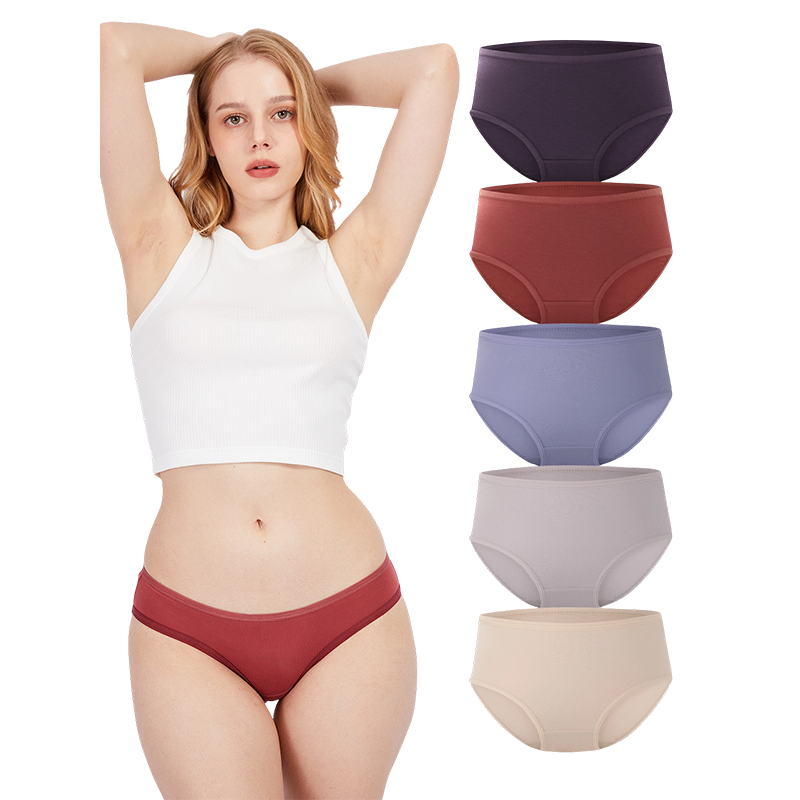
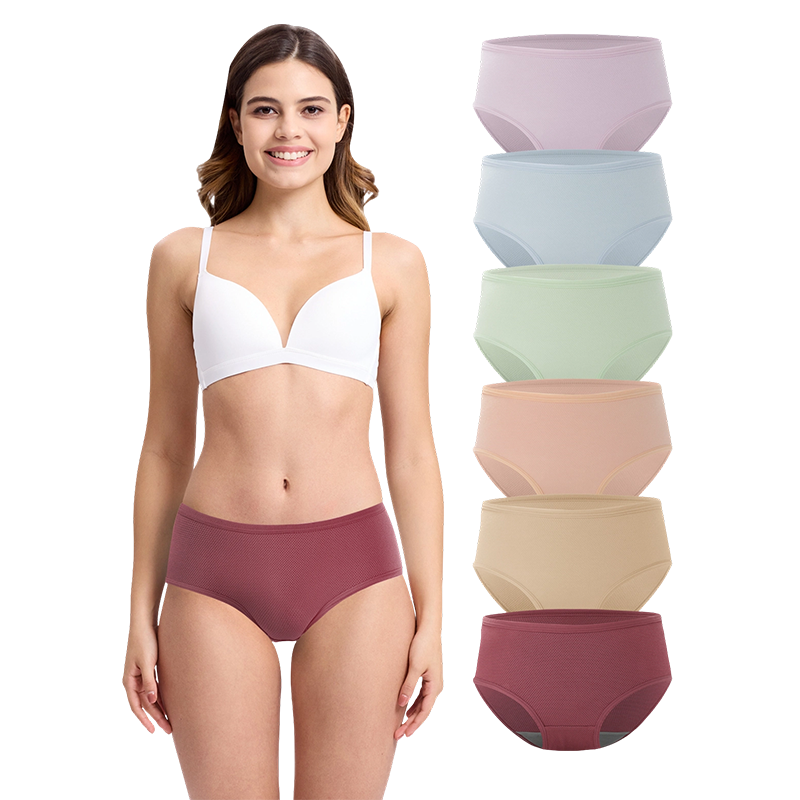
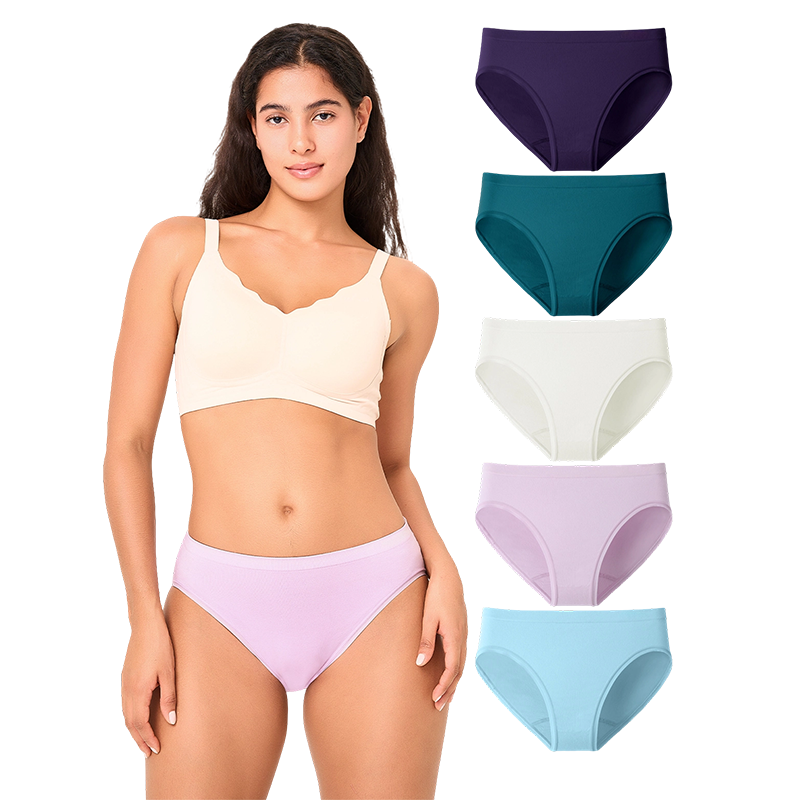
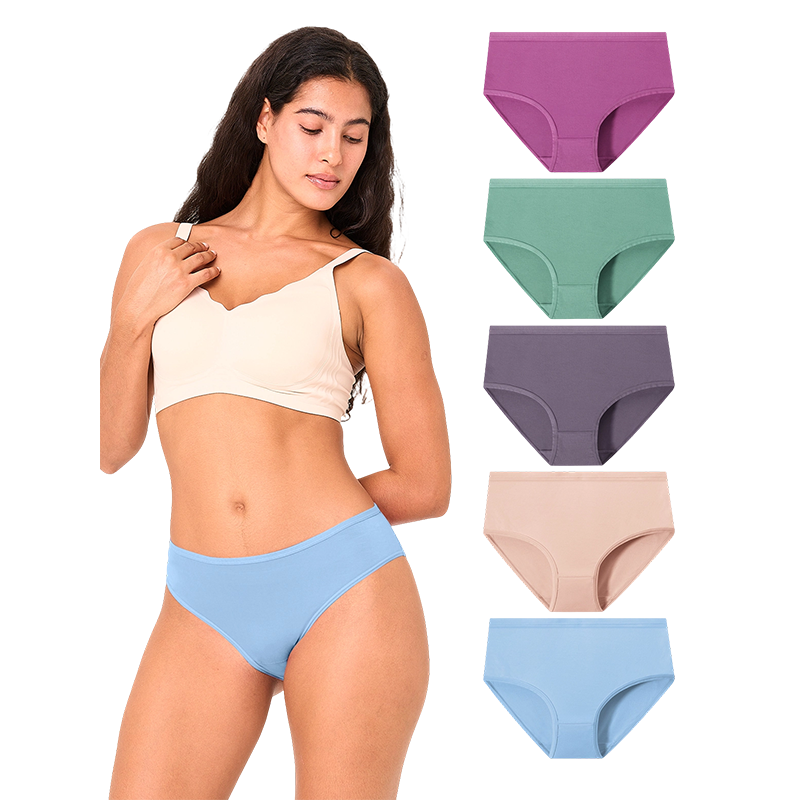
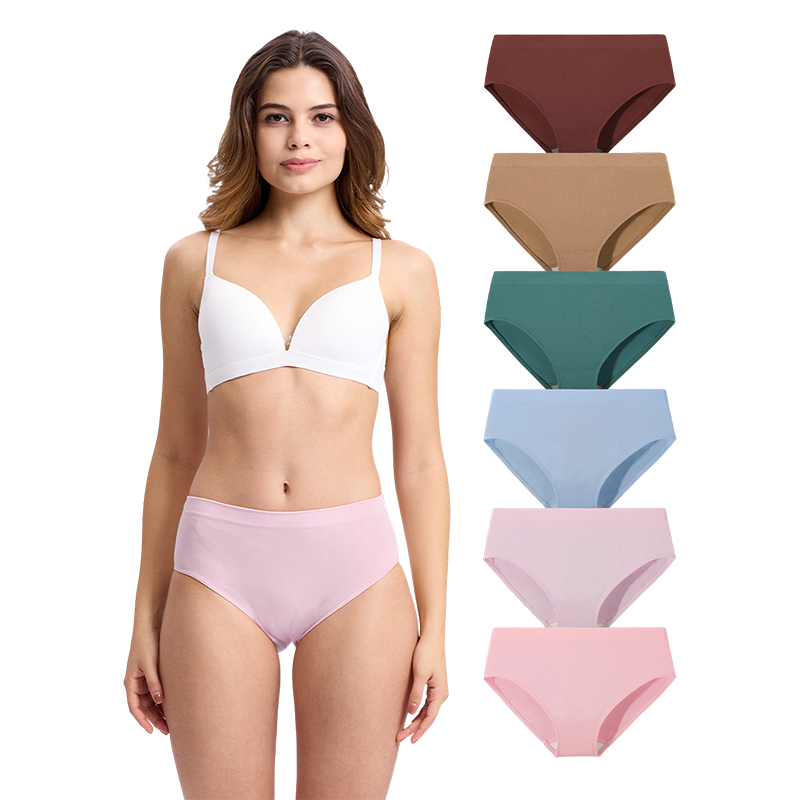
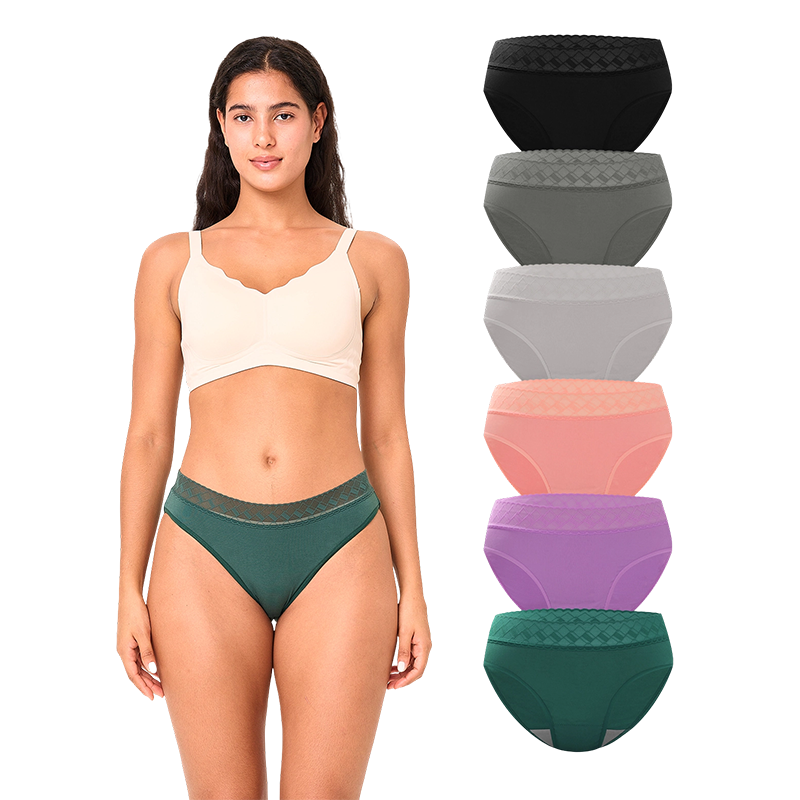
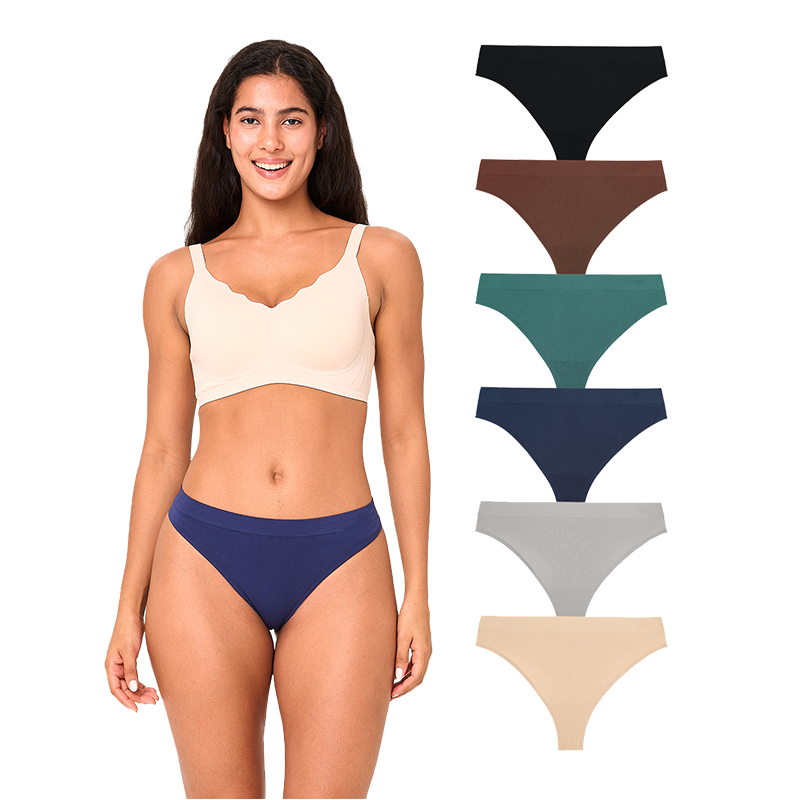
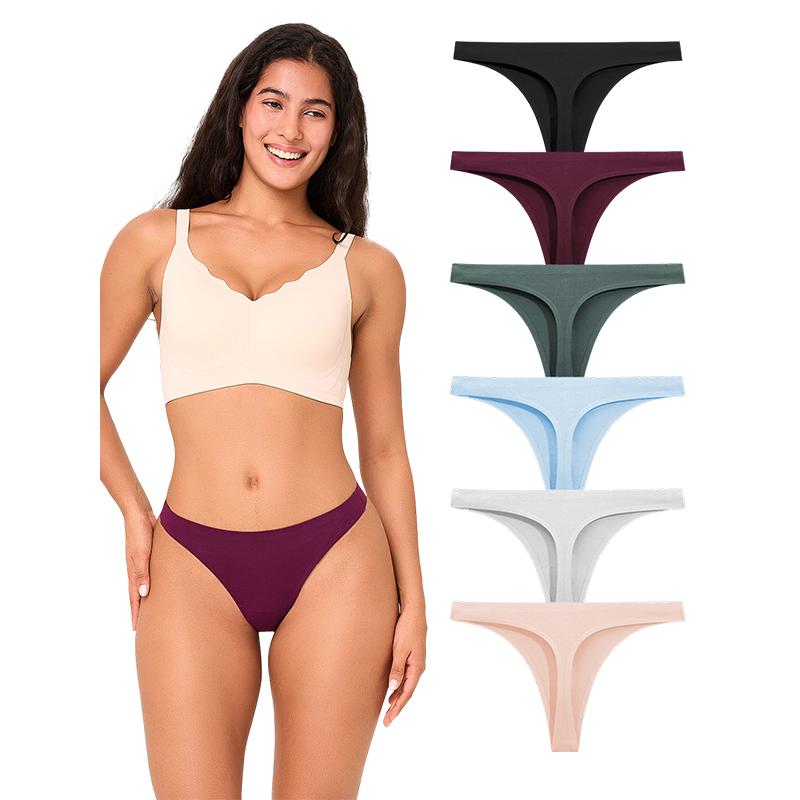
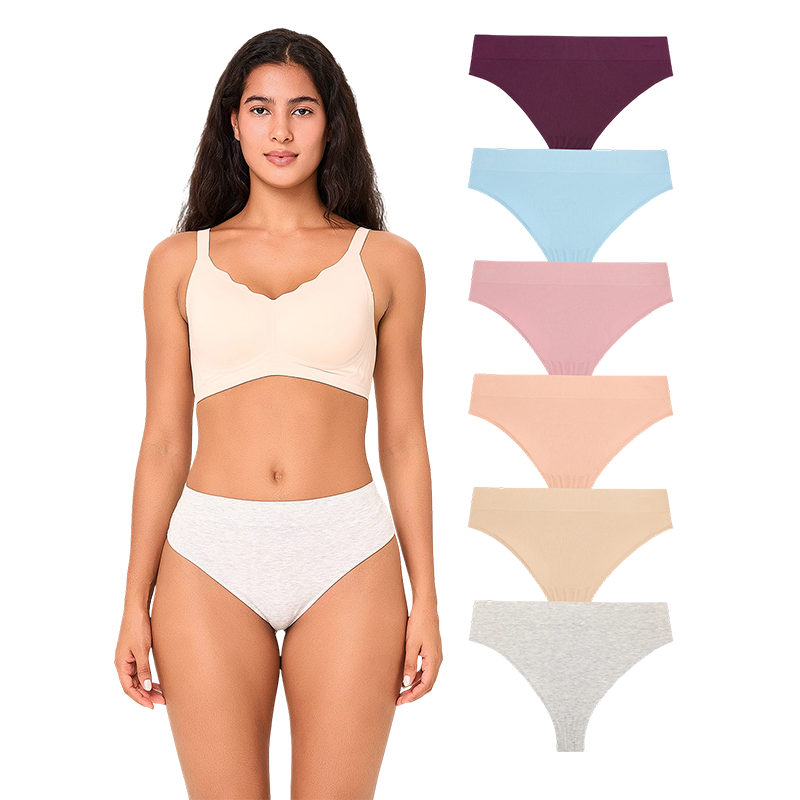
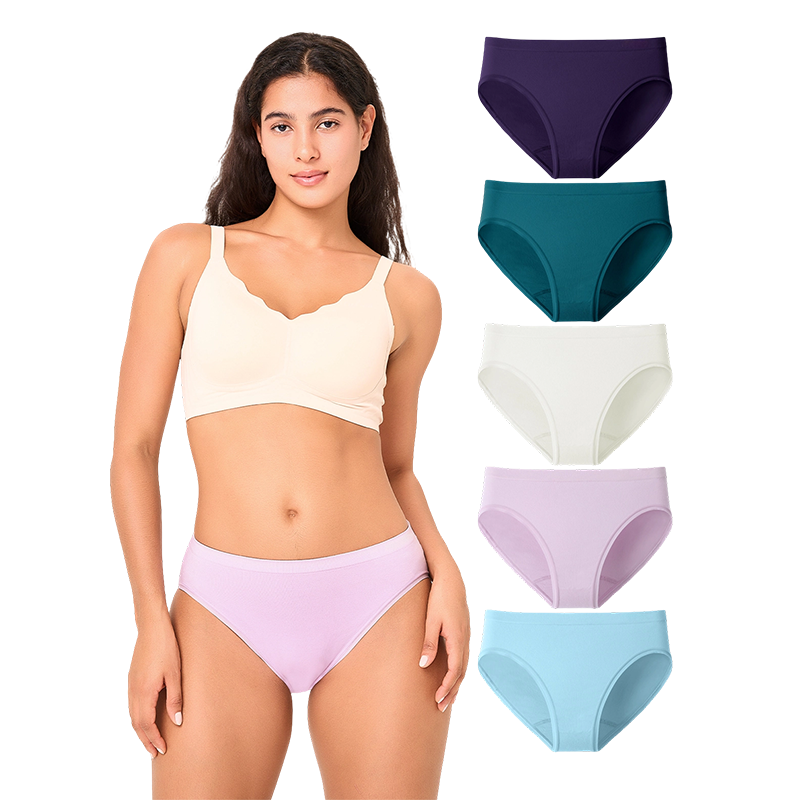
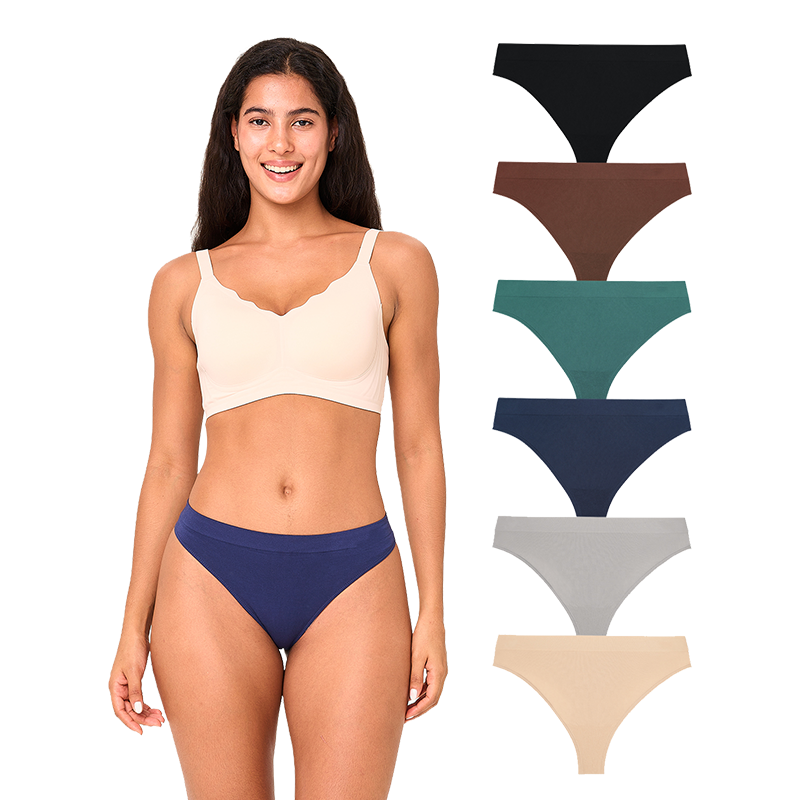
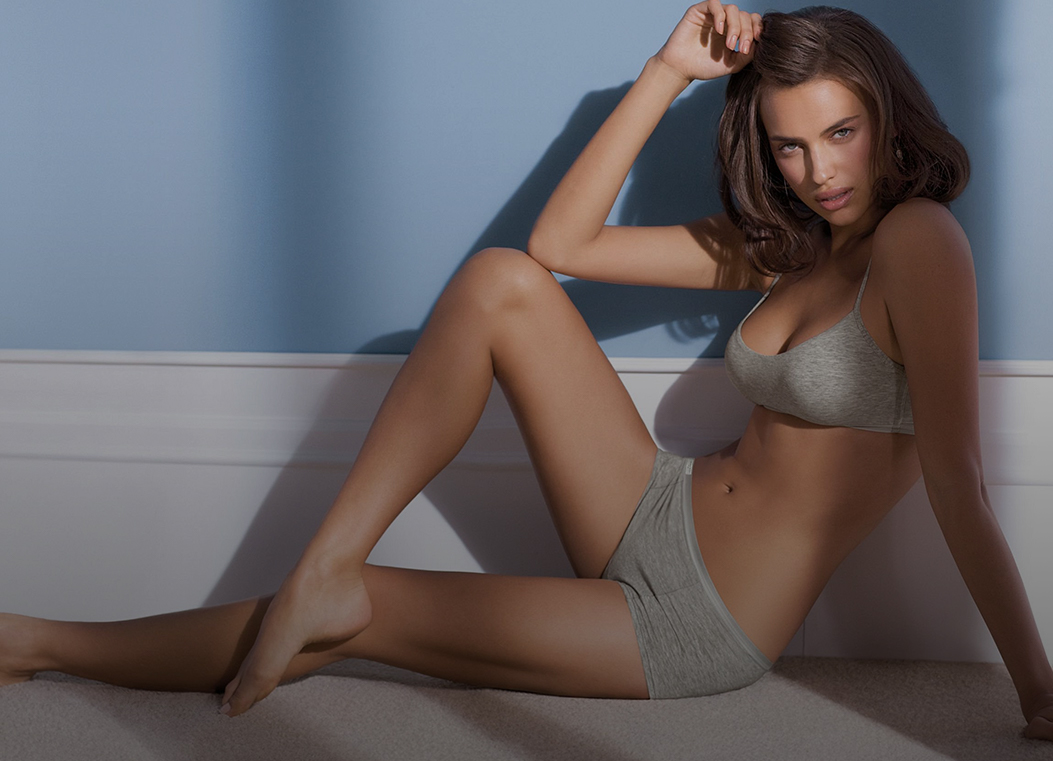
Many brands run both: a cut-and-sew core range for natural-fiber comfort and a seamless capsule for smooth everyday and sport use. You can see how both routes look in finished products in our women's boyshorts and women's seamless underwear ranges. These two cut-and-sew styles show the construction discussed above:
A clear workflow saves weeks. Most boyshorts projects follow this order.
For seamless boyshorts the same logic applies, but the early stage is knitting program development rather than pattern drafting, so changes after the first sample take longer. Settle size and zone layout early.
Neither is better in every case. Seamless gives the smoothest, no-show result and suits nylon-based lines. Cut-and-sew offers wider fabric choice, easier fit changes and more design options. Pick based on your product story and order size.
Two to three rounds is typical for a new cut-and-sew pattern. Providing a reference garment and clear target measurements often cuts that down. Seamless programs usually need more care in the first round because changes are harder later.
It depends on the style. Short boyshorts sit near the top of the thigh, mid-length styles cover more of it, and long-leg anti-chafe versions extend further down. Define the inseam in your tech pack for each size, because it changes across the range.
Often a small one. Many seamless boyshorts have a sewn or bonded crotch panel, and some have finished edges at the legs and waist. The term refers to the lack of side seams on the main body.
Flatlock and bonded seams lie flattest against the skin and cause the least rubbing, which is why they are common on comfort-led and no-show styles. Overlock seams are economical and fine for basics.
Include a sketch or reference garment, size chart with measurements for each size, fabric composition and weight, spandex content, seam and hem type, elastic specification, gusset details, label positions and packaging. The more specific the pack, the fewer sample rounds you need.

Copyright © Nantong Tianhong Textile Technology Co., Ltd. All Rights Reserved.
 Room 806, Building D, Jingyang Plaza, Chongchuan District, Nantong City, Jiangsu Province,china
 English
 Español
 русский
 عربى