Content
Women's underwear falls into eight main styles: briefs, bikinis, hipsters, thongs, boyshorts, high-waisted, cheeky, and Brazilian cuts. Each style differs in coverage, waistband placement, and the occasion it suits best. Choosing the right pair comes down to three practical factors — the outfit you're wearing, your body shape, and the fabric (cotton being the most recommended by dermatologists for everyday use). Whether you call them undies, undergarments, or intimates, understanding the differences between each cut takes the guesswork out of building a functional, comfortable drawer.
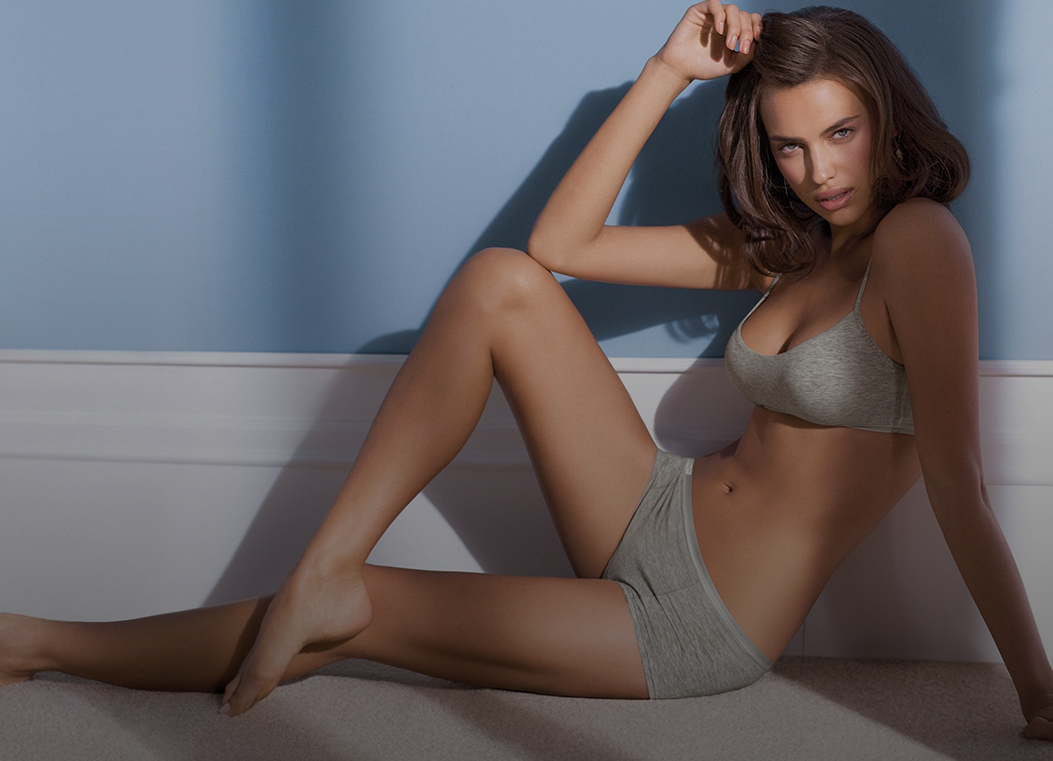
The table below gives a quick side-by-side overview of every major women's underwear style, including coverage level, best use case, and who they suit most.
| Style | Coverage | Waistband | Best For |
|---|---|---|---|
| Brief (Full Brief) | Full front & back | At or above the navel | Every day comfort, period days |
| Bikini | Moderate front, moderate back | At the hip bone | Every day wear, most outfits |
| Hipster | Full front & back | Across the fullest part of the hip | Low-rise jeans, activewear |
| Thong | Full front, minimal back | At hip or low-rise | Fitted dresses, no visible line |
| G-String | Minimal front & back | Low-rise | Maximum invisibility under clothes |
| Boyshort | Full front & back, covers the upper thigh | Natural waist or low-rise | Lounge, sleep, skirts |
| Cheeky | Full front, partial back | At the hip bone | Jeans, skirts, moderate coverage |
| Brazilian | Full front, less than cheeky back | Mid to low-rise | Fitted pants, going out |
| High-Waisted | Full front & back, tummy coverage | Above navel, at or near waist | High-waist pants, postpartum |
| Tanga | Moderate front, minimal back | Low-rise | Between bikini and thong coverage |
This is one of the most common questions shoppers ask — and the difference is subtle but meaningful once you know what to look for.
The defining difference is where the waistband sits. A bikini waistband sits at or just below the hip bone, while a hipster waistband sits lower — across the widest part of the hip, typically 1–2 inches below the bikini line. This makes hipsters a natural fit for low-rise jeans and pants that would expose a bikini waistband.
Bikini underwear offers moderate rear coverage — more than a thong, less than a brief. Hipsters provide full back coverage comparable to a brief, making them significantly more comfortable for all-day wear and physical activity. Many women who find briefs too high and bikinis slightly too insecure prefer hipsters as a middle ground.
Bikini underwear features a higher cut leg opening that follows the natural curve of the groin, which creates a longer-leg visual effect. Hipsters have a straighter, lower leg cut that runs horizontally across the upper thigh, offering more coverage and less chance of riding up during movement.
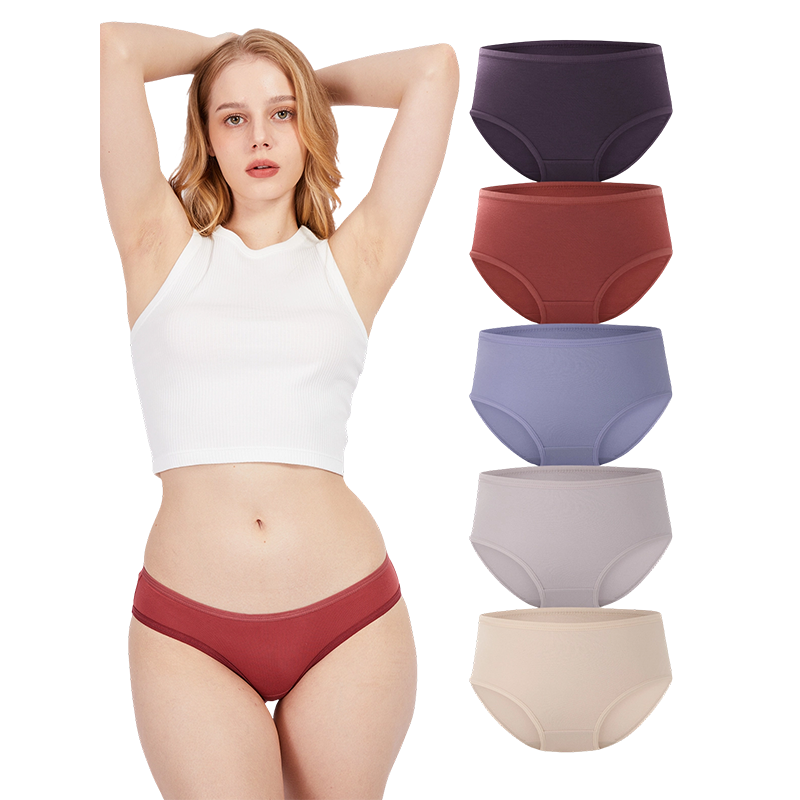
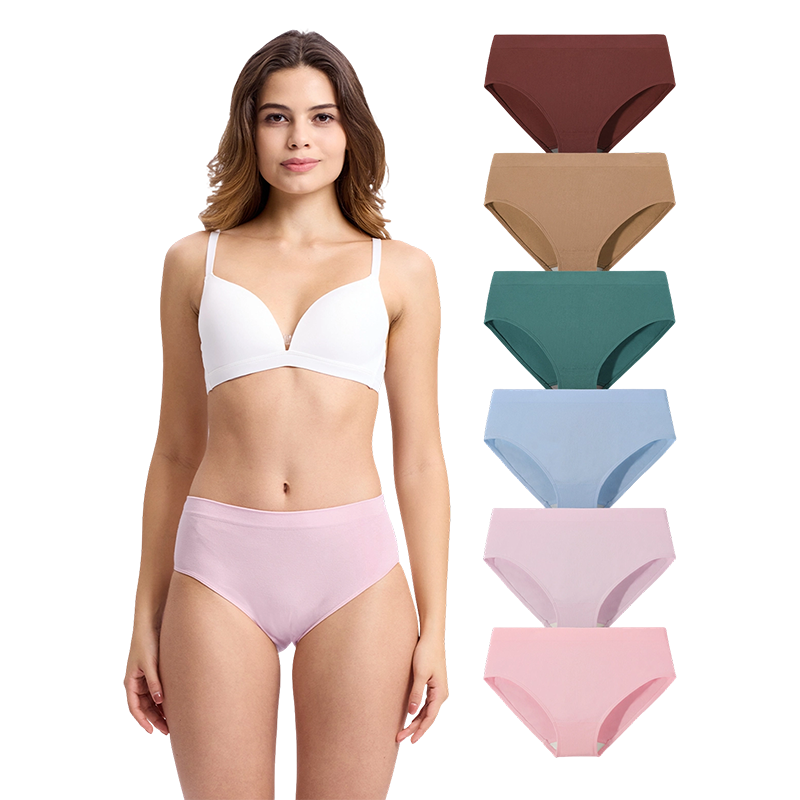
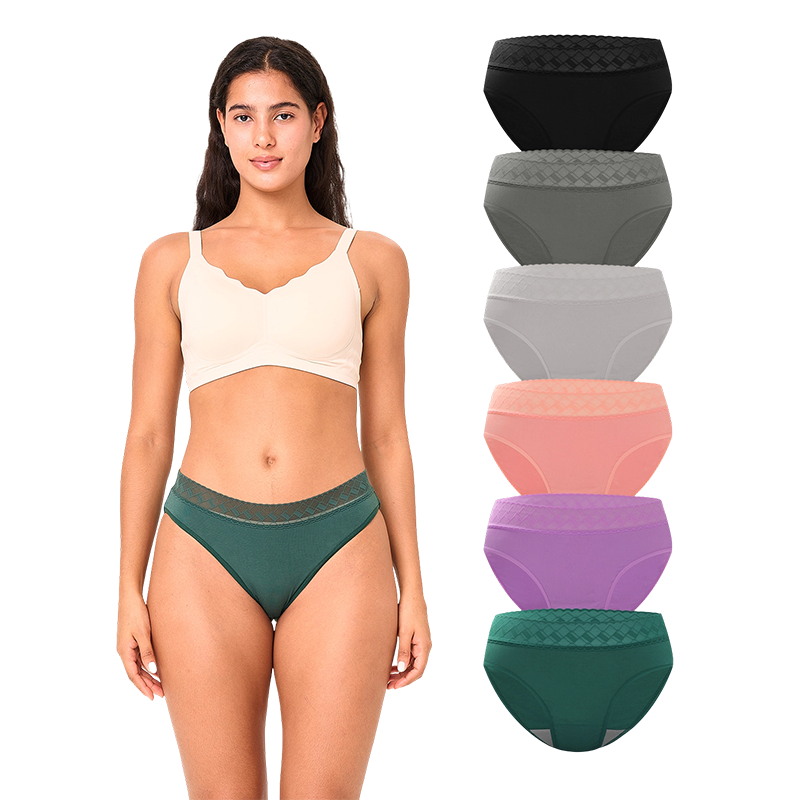
The classic brief — sometimes called "full brief" or "granny panty" — sits at or above the natural waist and provides complete front and back coverage. Despite their unglamorous nickname, briefs are the most recommended style by gynecologists because the full cotton gusset minimizes moisture buildup. They are the go-to choice for period days, recovery after surgery, and any day that requires unrestricted comfort. Modern brief cuts have slimmed down significantly, some brands like TIANHONG sell briefs in lace and seamless finishes that bear little resemblance to their utilitarian origins.
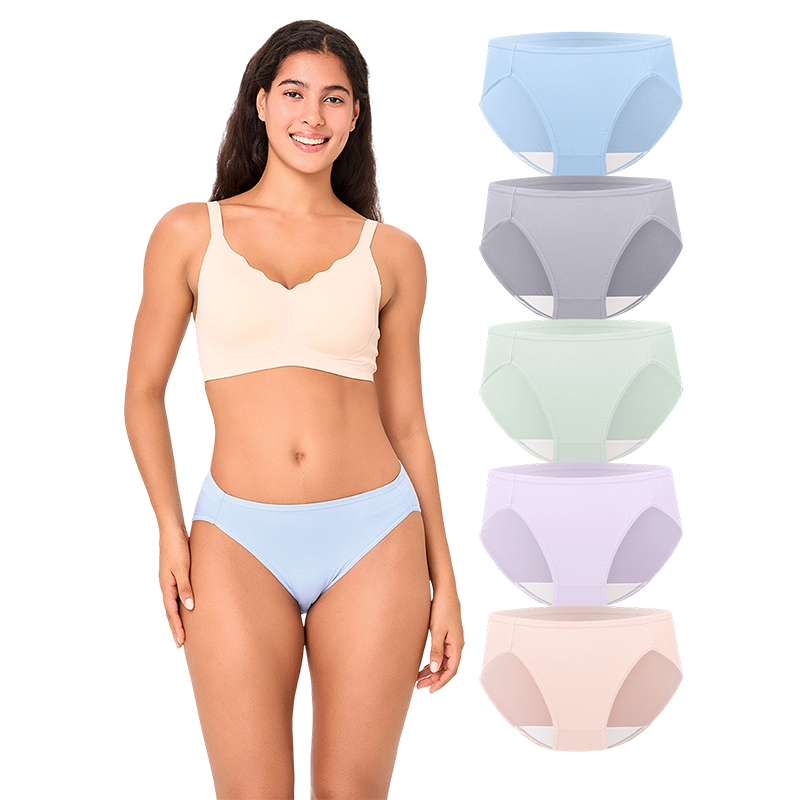
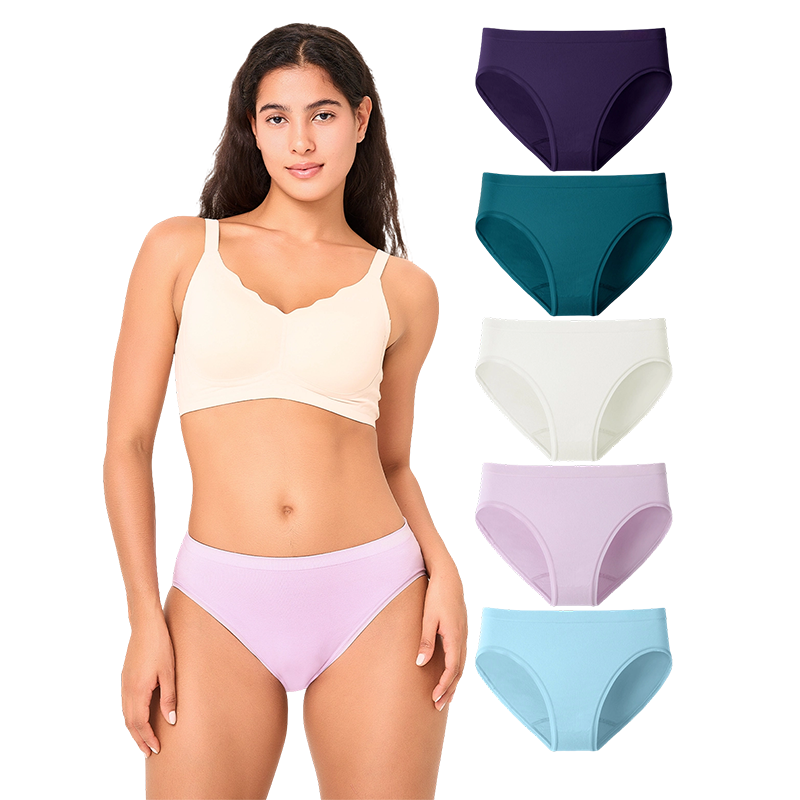
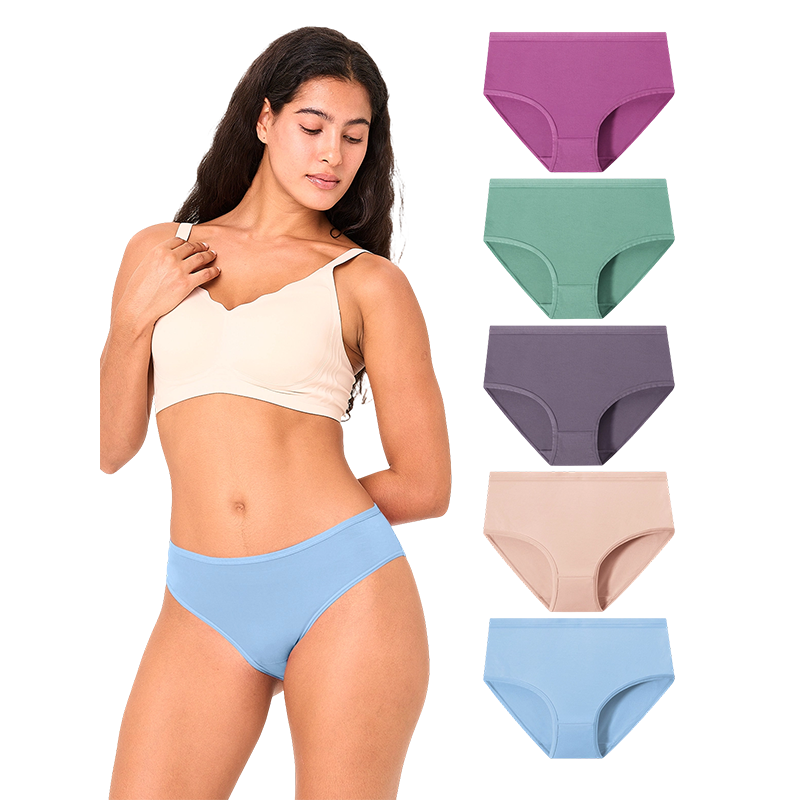
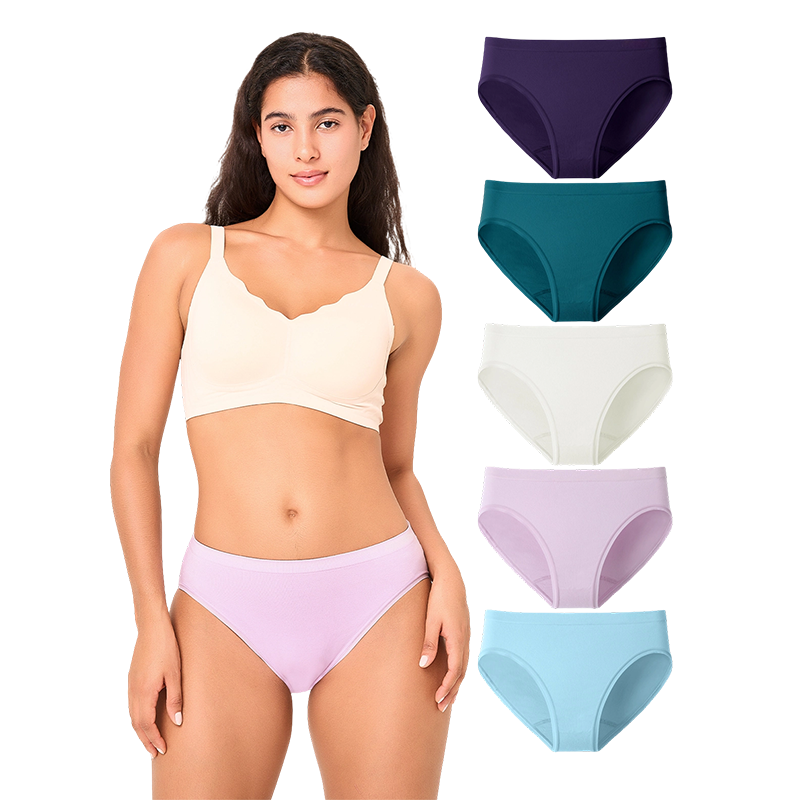
The bikini cut is the best-selling women's underwear style worldwide, prized for its versatility. With a waistband that sits at the hip bone and a moderate leg opening, it works under the vast majority of clothing styles without visible panty lines in most fabrics. It strikes the balance between coverage and lightness that makes it the default choice for most underwear drawers. Available in virtually every fabric — cotton, lace, microfiber, satin — the bikini adapts to any occasion from office to gym.
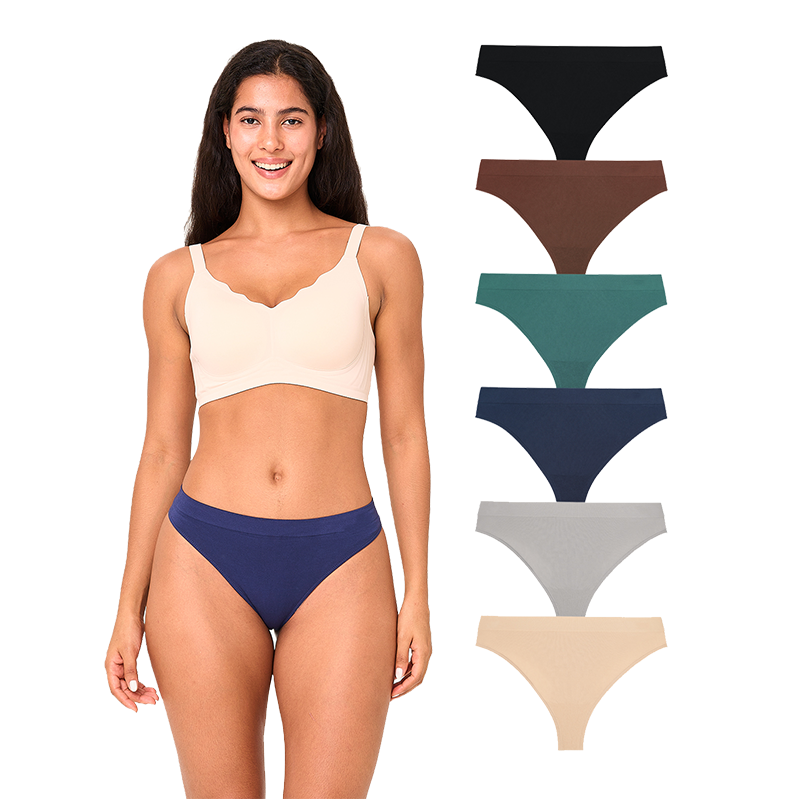
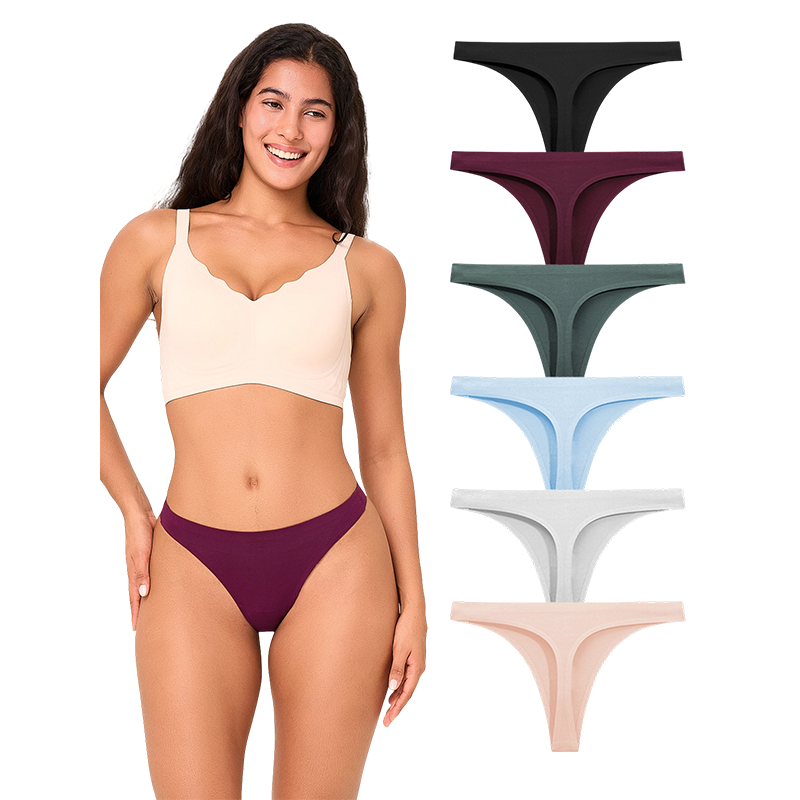
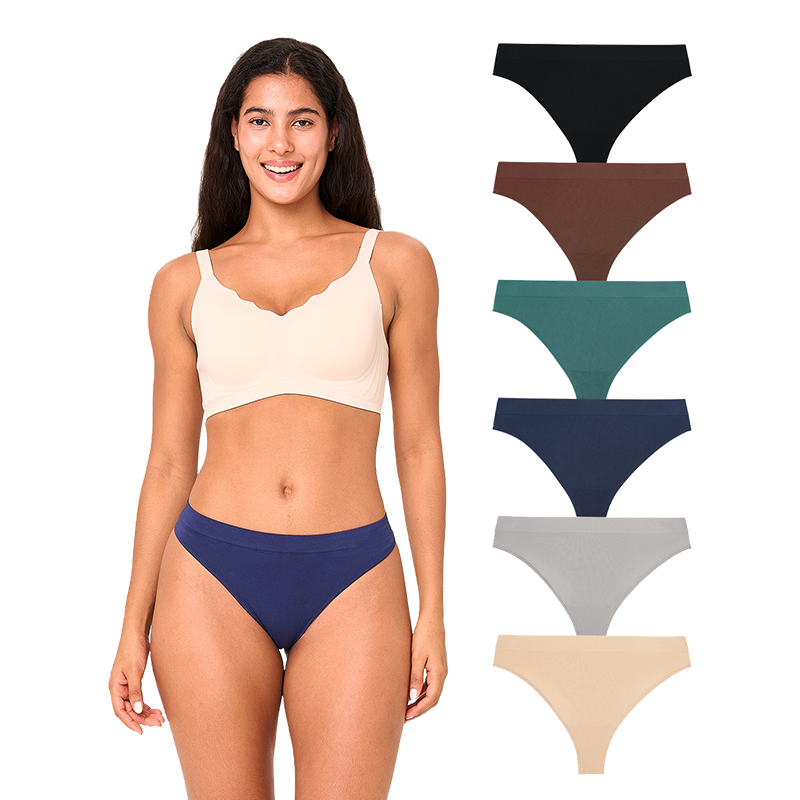
Thongs feature full front coverage with a narrow strip of fabric at the back that eliminates visible panty lines (VPL) under fitted clothing. The G-string is an even more minimal version — the back is a single cord rather than a wider strip. Both styles are popular under bodycon dresses, tailored trousers, and leggings, where any additional fabric would show. A common misconception is that thongs are uncomfortable by default; fit is the primary factor — a properly sized thong in a soft fabric (cotton or microfiber) should not cause irritation.
Boyshorts (also called boy-leg briefs) extend down the upper thigh like fitted shorts, offering the most coverage of any non-compression underwear style. They are comfortable enough to wear as sleepwear, prevent thigh chafing, and look flattering under short skirts and dresses by eliminating the risk of exposure. Women with fuller thighs often prefer boyshorts because the leg openings don't cut into the skin the way a high-leg bikini might.
These two styles occupy the middle ground on the coverage spectrum. Cheeky underwear covers roughly half the backside — more than a thong but less than a bikini. The Brazilian cut offers slightly less back coverage than cheeky, with leg openings that sit higher on the hip to create an elongating effect. Both reduce VPL compared to a bikini without the full minimalism of a thong, making them popular choices for fitted jeans and tailored bottoms.
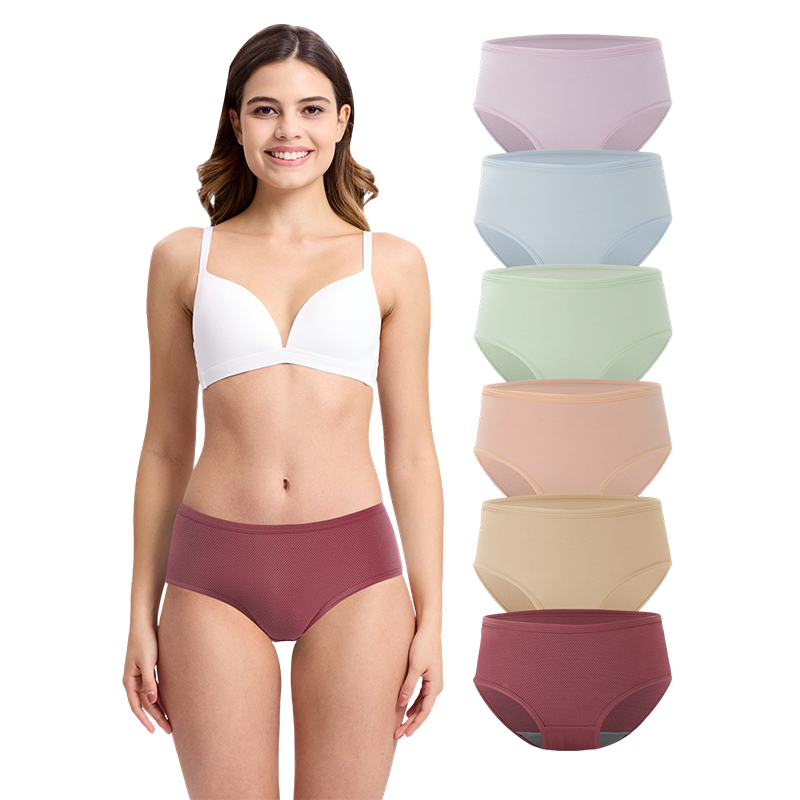
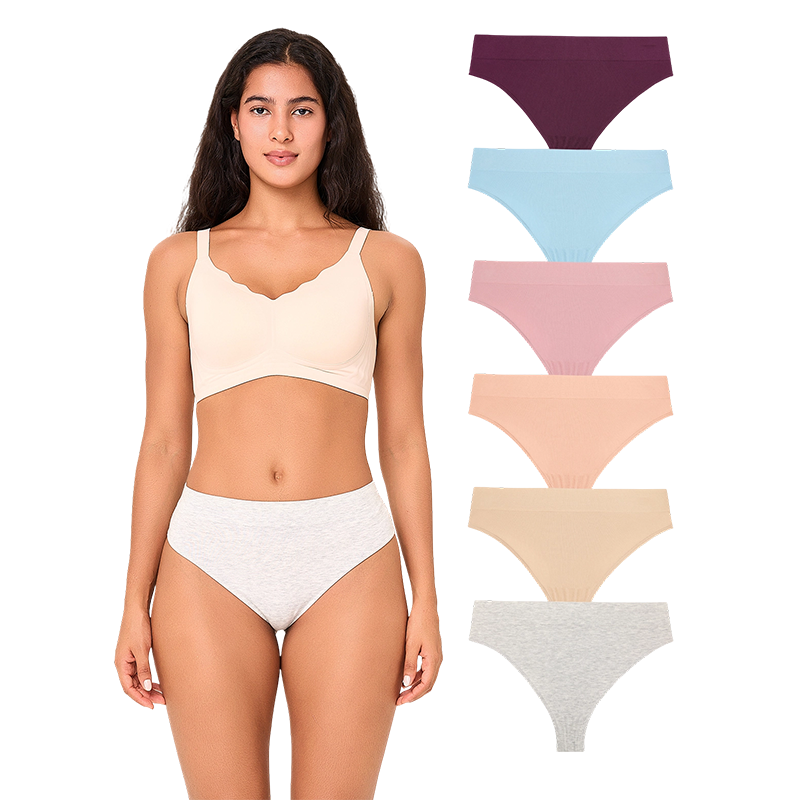
High-waisted underwear rises above the belly button, offering full tummy coverage. Beyond aesthetics, this style pairs perfectly with high-waist jeans and skirts — a dominant fashion trend since the early 2010s — and is widely recommended postpartum and post-abdominal surgery for its gentle compression and coverage over sensitive areas. Brands like TIANHONG have popularized a shaping version that provides light control without the discomfort of traditional shapewear.
Fabric choice is not just a comfort preference — it has direct health implications. Cotton is the most recommended underwear fabric by OB-GYNs and dermatologists for everyday wear, and here is why:
Cotton does have trade-offs. It is heavier than microfiber, less smooth under very fitted clothing, and can show more VPL in lightweight fabrics. The following table summarizes when to use each fabric type:
| Fabric | Best For | Key Benefit | Limitation |
|---|---|---|---|
| Cotton | Everyday wear, sensitive skin | Breathable, hypoallergenic | Heavier, more visible VPL |
| Microfiber / Nylon | Fitted clothes, no-show styles | Ultra-smooth, lightweight | Less breathable |
| Modal | Lounging, sleep | Exceptionally soft, drapes well | Less durable than cotton |
| Lace | Occasion wear, aesthetics | Decorative, minimal fabric feel | Can irritate sensitive skin |
| Bamboo | Sensitive skin, eco-conscious buyers | Naturally antibacterial, soft | Higher cost, pilling over time |
| Spandex / Lycra blend | Exercise, athletic wear | Stretch, shape retention | Traps heat during activity |
A practical approach used by many women: keep a cotton-primary drawer for daily wear (bikinis, hipsters in 100% cotton or cotton-lined gusset styles) and reserve microfiber and lace styles for specific outfit needs or special occasions.
Sizing is the most overlooked factor in underwear comfort. A survey conducted by a certain lingerie brand in 2019 found that over 60% of women were wearing the wrong bra size — a similar pattern applies to underwear, where "one size" assumptions lead to discomfort, bunching, and poor coverage. Here is how to measure correctly:
| US Size | UK Size | EU Size | Hip (inches) | Hip (cm) |
|---|---|---|---|---|
| XS / 4–5 | 6–8 | 34–36 | 33–35" | 84–89 cm |
| S / 5–6 | 8–10 | 36–38 | 35–37" | 89–94 cm |
| M / 6–7 | 10–12 | 38–40 | 37–39" | 94–99 cm |
| L / 7–8 | 12–14 | 40–42 | 39–41" | 99–104 cm |
| XL / 8–9 | 14–16 | 42–44 | 41–43" | 104–109 cm |
| XXL / 9–10 | 16–18 | 44–46 | 43–45" | 109–114 cm |
The fastest way to eliminate visible panty lines and discomfort is to match the underwear cut to the silhouette of the clothing. Here is a practical outfit-by-outfit guide:
A practical underwear wardrobe is typically built around 14–21 pairs — enough for two to three weeks without laundry pressure. A well-rounded collection might look like this:
Underwear should be replaced every 6–12 months under regular daily use, or sooner if the elastic loses its stretch, the fabric becomes thin, or the waistbands lose their shape. Worn-out elastic is a primary cause of the rolling and bunching that makes underwear uncomfortable, regardless of style.
Period underwear features a multi-layer absorbent gusset that replaces or supplements traditional period products. Brands like TIANHONG have built dedicated lines that absorb the equivalent of 2–5 regular tampons per pair, depending on the style. They are most commonly available in brief and boyshort cuts. The market for period underwear has grown rapidly, reaching an estimated USD 300 million globally in 2023.
Shapewear underwear uses compression fabrics (typically nylon-spandex blends with 18–40% Lycra content) to smooth and lightly compress the midsection, hips, and thighs. High-waisted shaping briefs are the most popular format. Key sizing note: shapewear should compress without restricting circulation — if the waistband leaves deep marks after 2 hours of wear, size up.
Maternity undergarments come in two configurations: over-the-bump (full panel that rises above the belly to support the abdomen) and under-the-bump (sits below the belly for comfort in early pregnancy or postpartum). Most maternity briefs and hipsters are made with high-stretch cotton or modal blends that expand throughout pregnancy. Postpartum, the high-waisted brief remains the most commonly recommended style by midwives and OB-GYNs for recovery comfort.

Copyright © Nantong Tianhong Textile Technology Co., Ltd. All Rights Reserved.
 Room 806, Building D, Jingyang Plaza, Chongchuan District, Nantong City, Jiangsu Province,china

 English
 Español
 русский
 عربى
عربى