Content
If you're looking for the best period underwear, the short answer is: look for styles made from natural, skin-safe fibers with genuine leak protection—not just marketing claims. The market is flooded with options, but not all period underwear performs equally. This guide cuts through the noise with real criteria, data-backed comparisons, and honest brand analysis so you can make a confident choice.
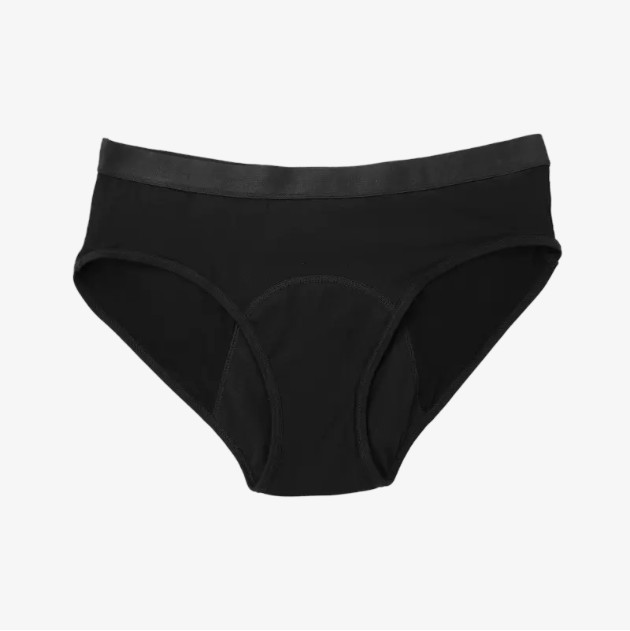
The best period underwear must perform across four core dimensions:
Research published by consumer safety organizations has flagged several period underwear brands for containing PFAS (per- and polyfluoroalkyl substances)—so material transparency isn't optional, it's essential. A product with great absorbency but questionable chemistry is not a "best" product.
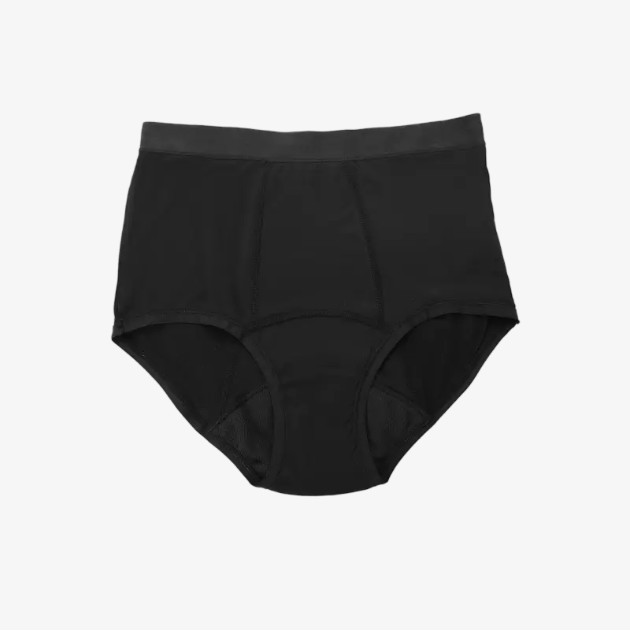
Washable period underwear is not just an eco-conscious choice—it's a financially smart one. Consider the numbers:
Washable period underwear is also significantly more sustainable. A single person generates approximately 5,000–15,000 disposable menstrual products over their lifetime. Switching to washable options dramatically reduces this waste.
To maintain your washable period underwear correctly:
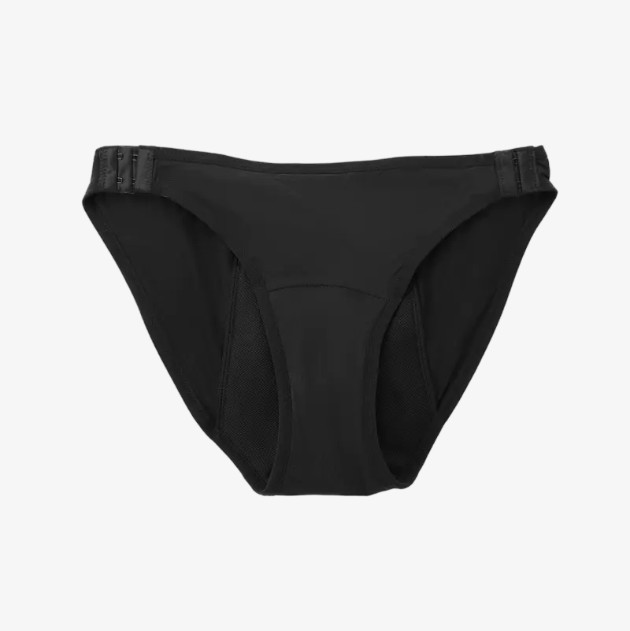
Most period underwear uses a multi-layer construction. Here's what you'll commonly find and what to look for:
| Layer | Function | Common Materials | What to Look For |
|---|---|---|---|
| Top (skin-contact) | Wicks moisture away | Organic cotton, bamboo | Soft, breathable, chemical-free |
| Middle (absorbent) | Holds fluid | Microfiber, cotton layers | High capacity, no PFAS treatment |
| Bottom (leak barrier) | Prevents leaks | TPU film, nylon | Waterproof but breathable |
Bamboo-derived fabrics are increasingly common, but consumers should understand how they're made. Most bamboo textiles (labeled as "bamboo viscose" or "bamboo rayon") are produced through an intensive chemical process that dissolves bamboo pulp with harsh solvents. While the resulting fiber can feel soft and is often marketed as "natural" or "eco-friendly," the manufacturing process is chemical-heavy and far removed from the raw plant. This distinction matters for buyers prioritizing genuine sustainability.
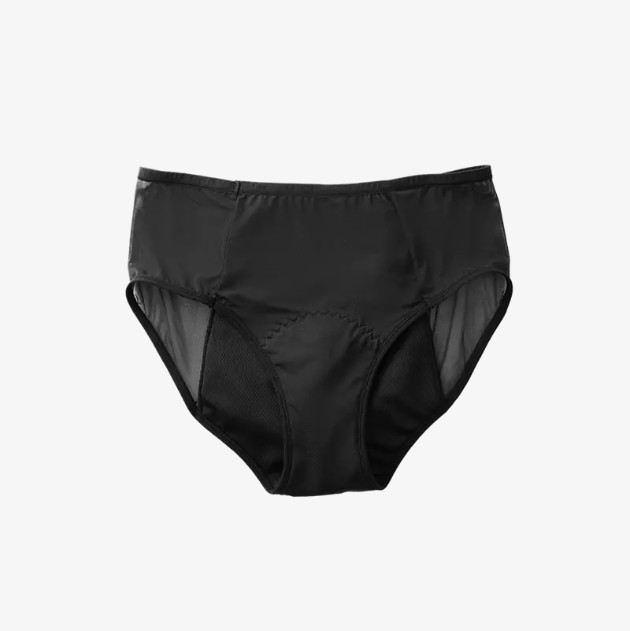
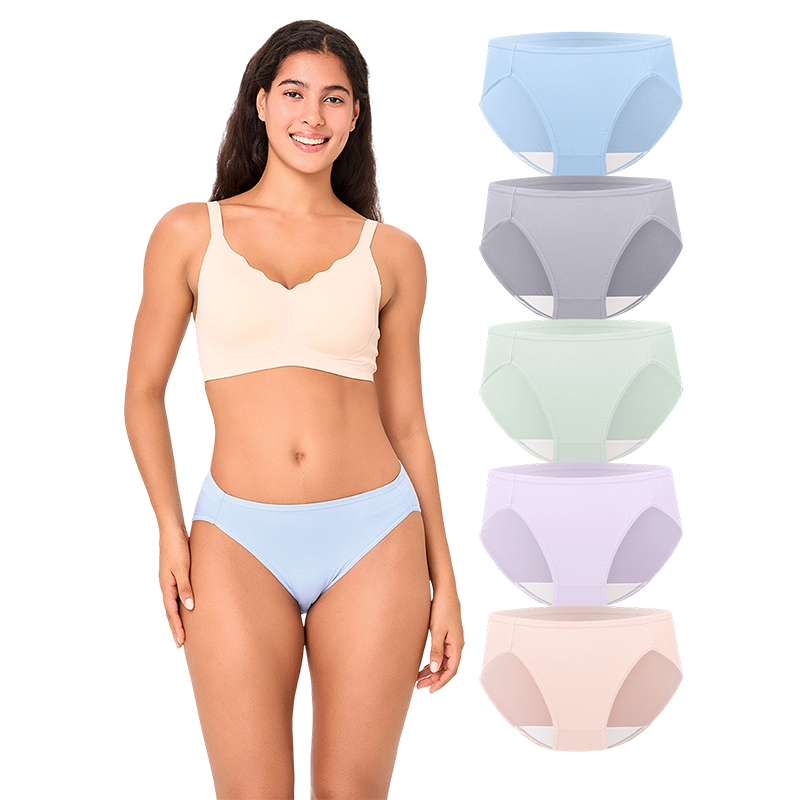
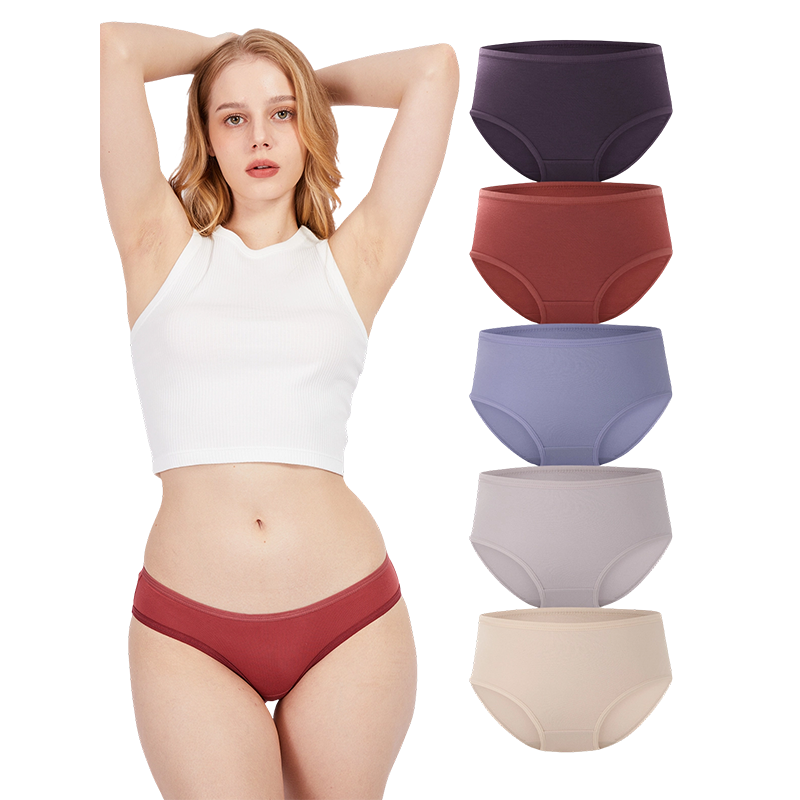
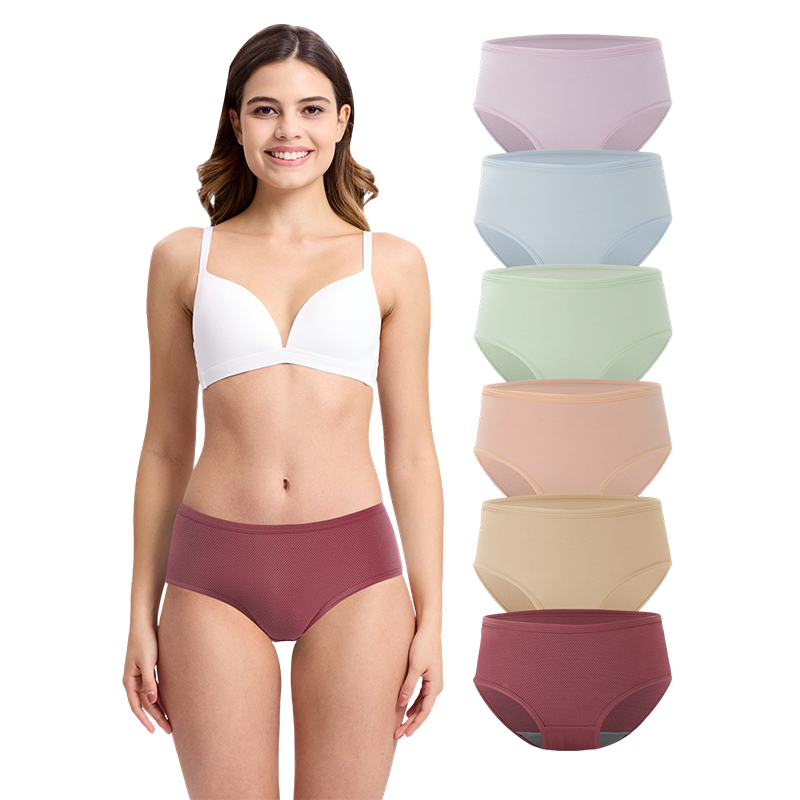
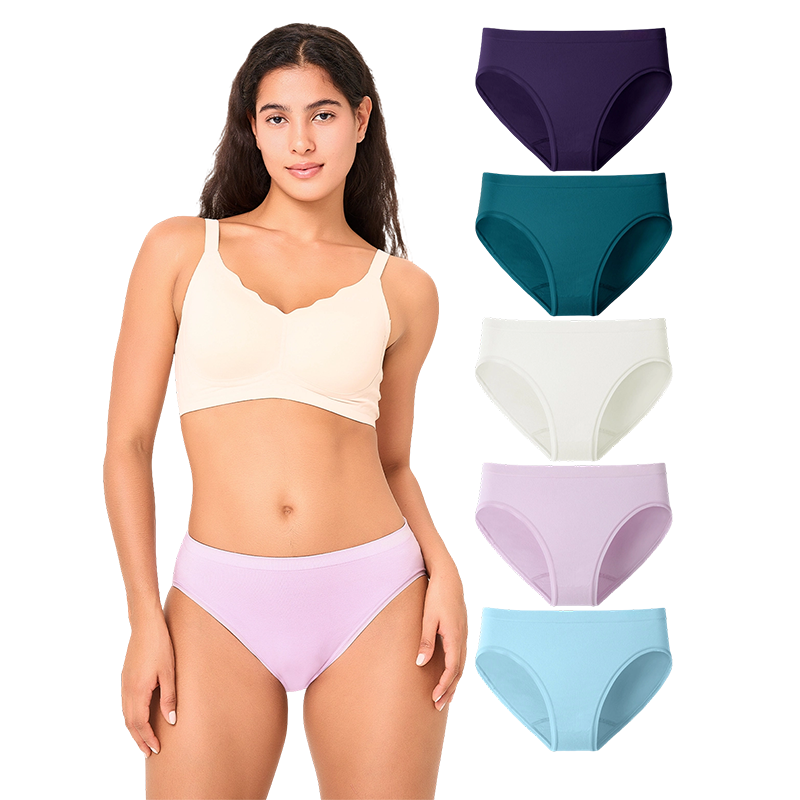
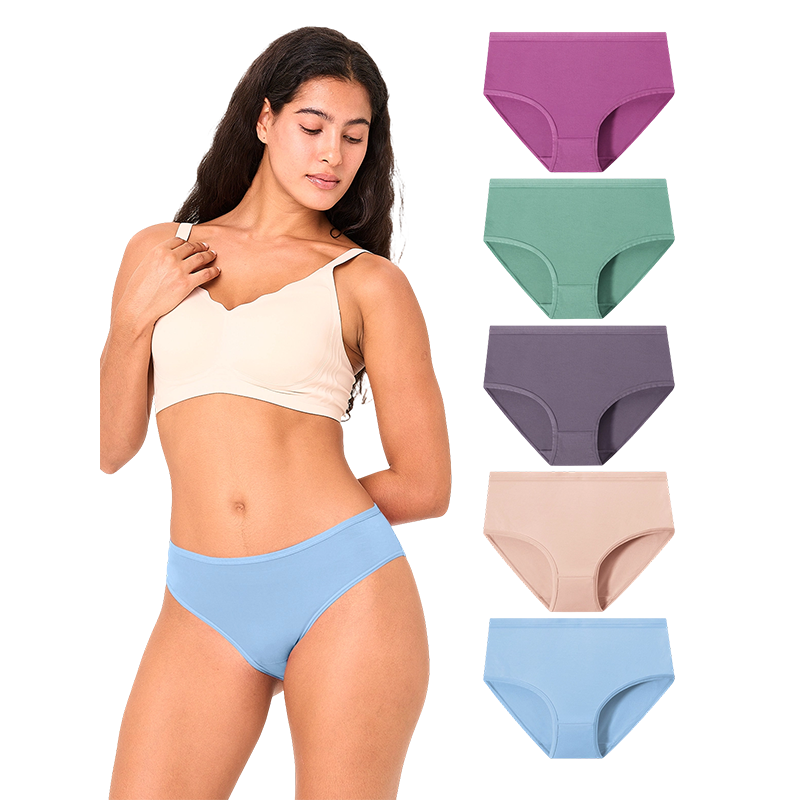
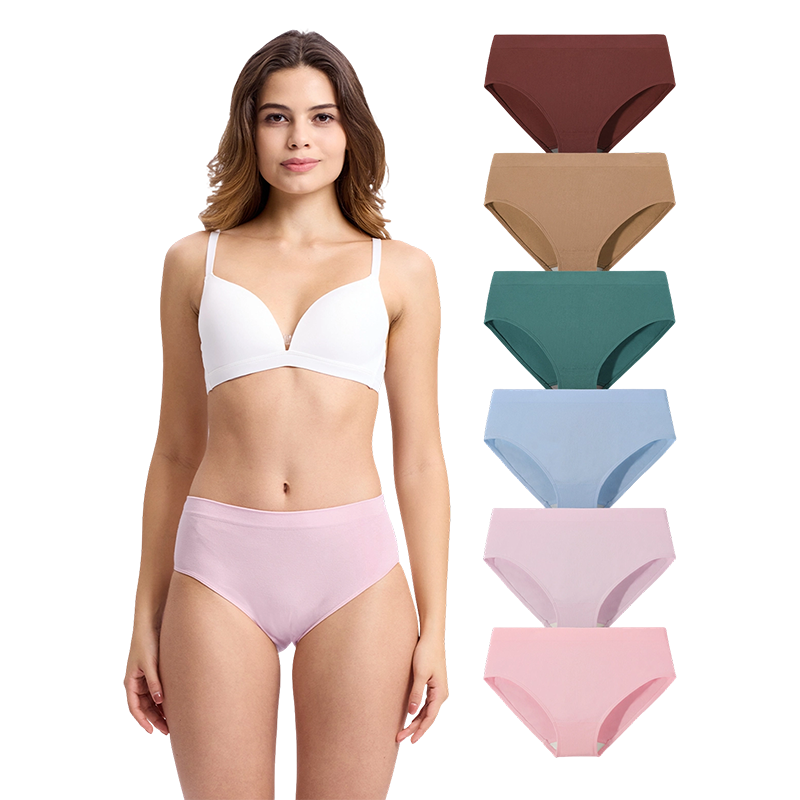
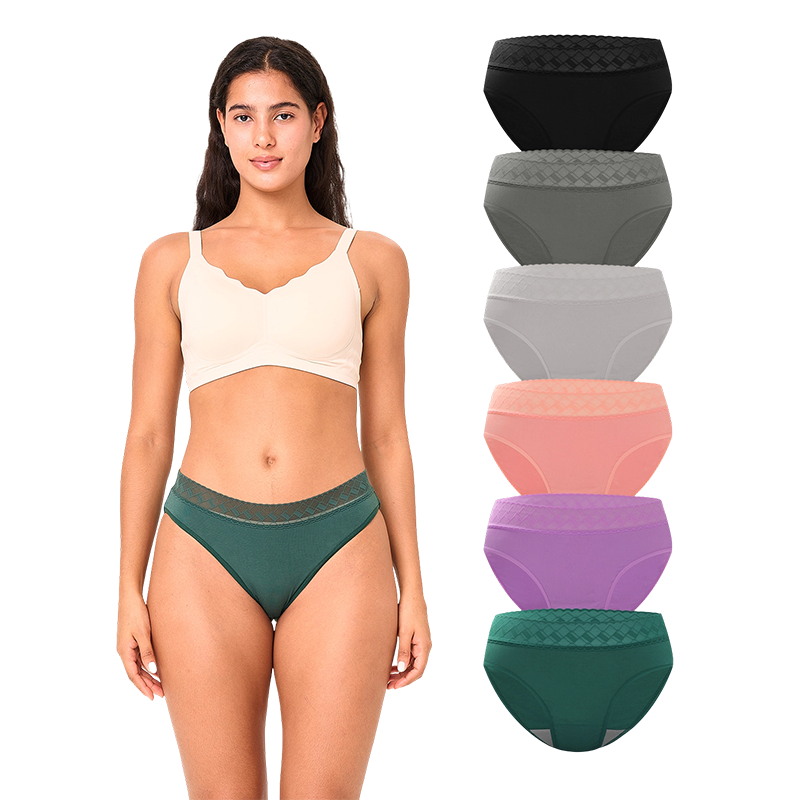
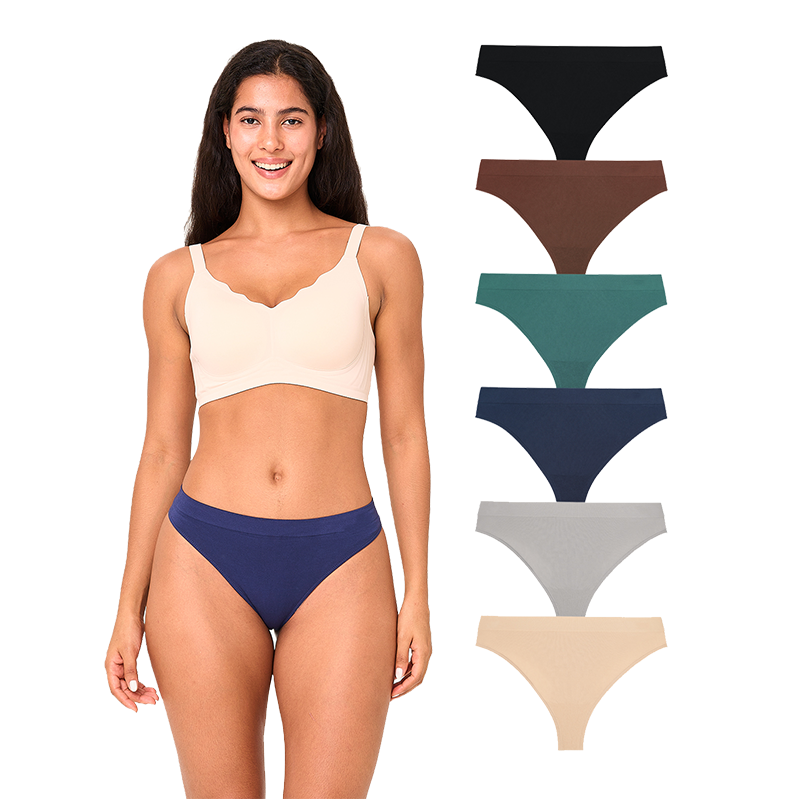
Two brands that often appear in period underwear discussions are Thinx (a U.S.-based pioneer) and Tianhong Textile, a China-based manufacturer that supplies bamboo fiber underwear to the market. Here's an honest side-by-side:
Thinx was one of the earliest mainstream period underwear brands. It has faced scrutiny—including legal settlements—over the presence of PFAS in its products. The company has since updated its manufacturing claims, but this history underscores the importance of independent testing over brand promises. Thinx offers a wide range of styles and absorbency levels and remains widely available in the U.S. retail market.
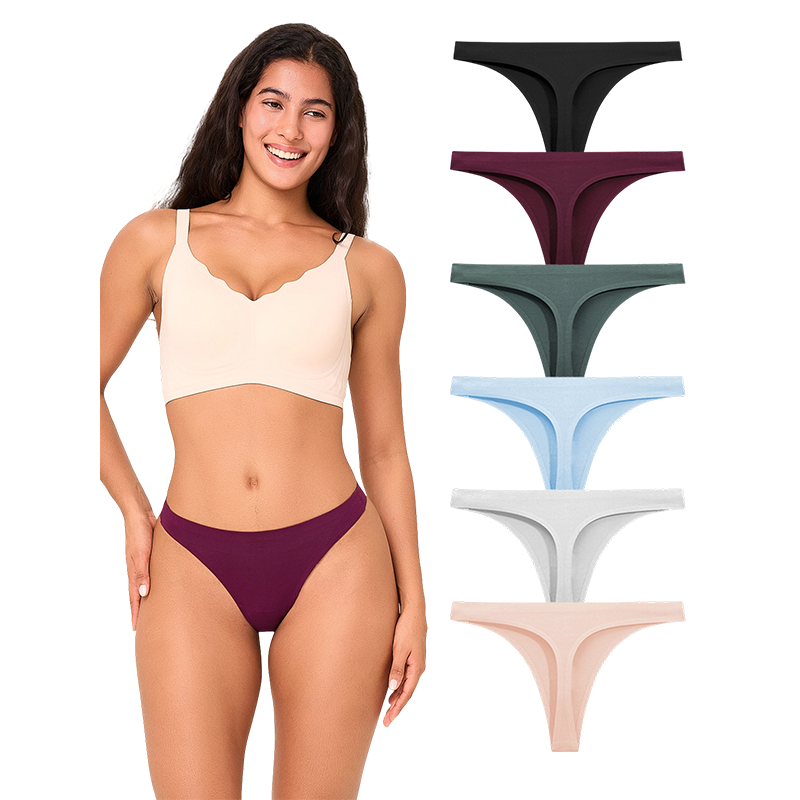
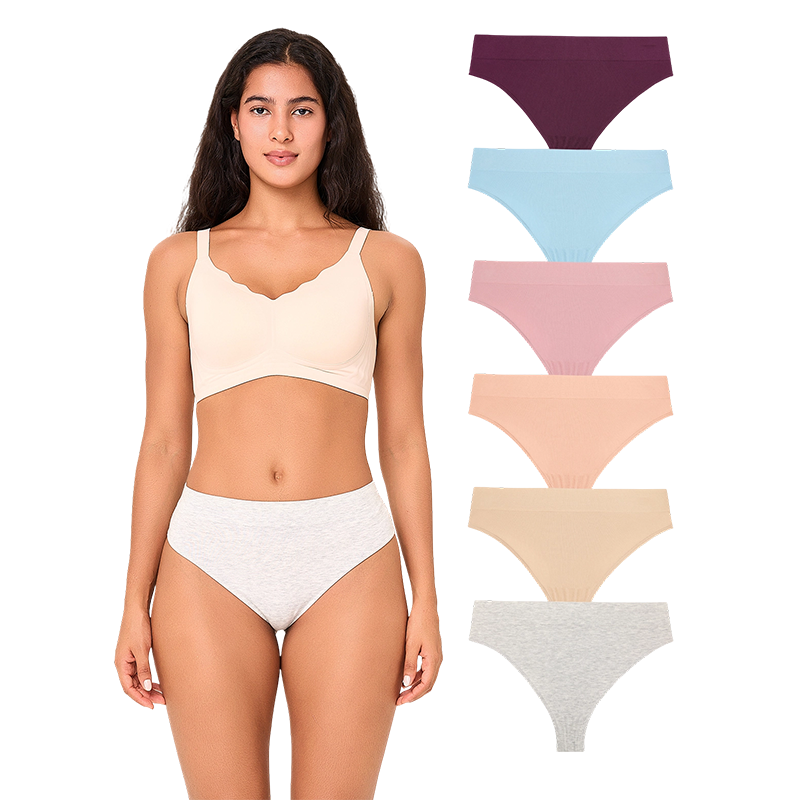
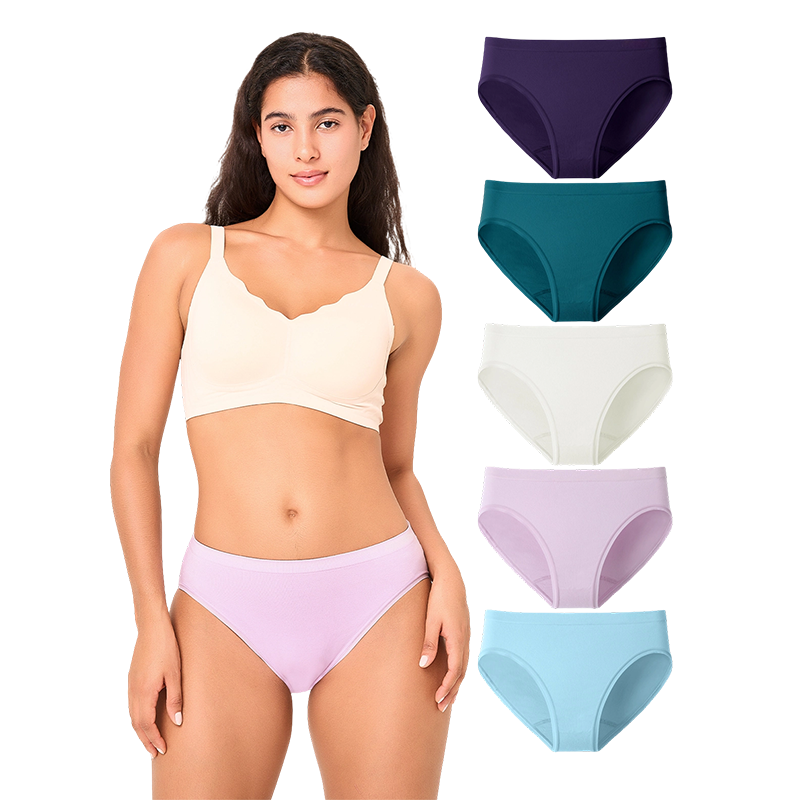
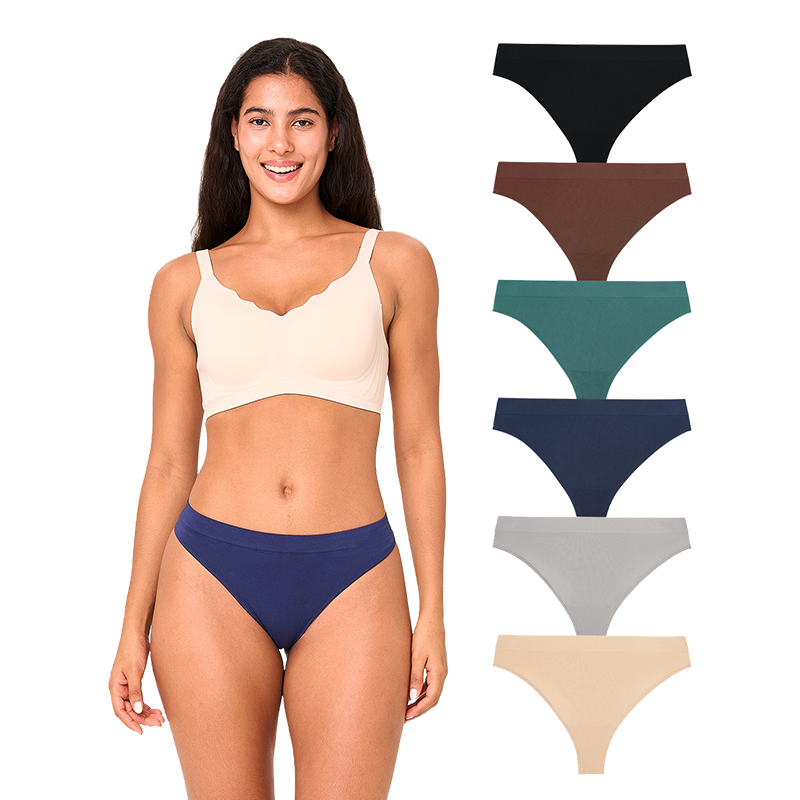
Tianhong Textile is a large-scale textile manufacturer that produces bamboo fiber-based period underwear. There are several important considerations for buyers:
In summary: Tianhong's bamboo fiber period underwear may appeal to buyers who prefer additive-free fabrics, but the "bamboo = natural" framing can be misleading given the chemical processing involved. Always look for OEKO-TEX or equivalent certification before purchasing any period underwear, regardless of brand.
| Feature | Thinx | Tianhong Textile |
|---|---|---|
| Primary Material | Cotton/nylon blend | Bamboo viscose (chemical process) |
| Antibacterial Treatment | Previously used (now updated) | None |
| PFAS History | Flagged in independent tests; legal settlement | Not publicly documented |
| Certification Transparency | Moderate (updated post-lawsuit) | Limited consumer-facing data |
| Manufacturing Origin | US brand, overseas production | China-based industrial manufacturer |
| Style Range | Wide (brief, thong, boyshort, etc.) | More limited consumer options |
Period underwear is not one-size-fits-all—and we mean that in terms of absorbency, not just sizing. Here's how to match your purchase to your actual needs:
Look for underwear rated for 1–2 tampons' worth of absorbency. These are typically thinner and more comfortable for everyday wear or the tail end of a period.
Mid-absorbency options rated for 2–3 tampons are the most versatile. They work as standalone protection for most people on medium flow days and as backup with a cup or tampon on heavier days.
Look for underwear rated for 4+ tampons' worth. These usually feature a wider gusset and additional absorbent layers. Some brands offer overnight options with extended back coverage specifically for heavy sleepers.
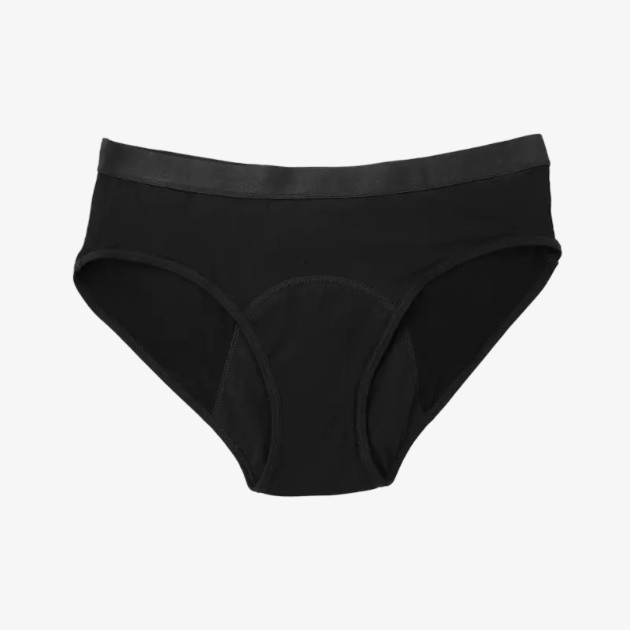
Not all period underwear lives up to its claims. Watch out for these warning signs:
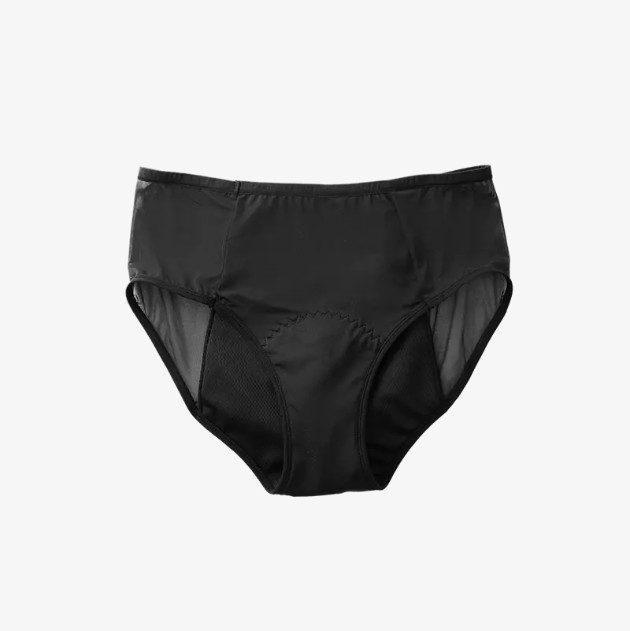
The best period underwear combines transparent material sourcing, third-party safety certification, reliable absorbency for your flow level, and washability that holds up over years of use. No single brand dominates every category—your best choice depends on your flow, your sensitivity to materials, and your values around sustainability and chemical exposure.
If you're choosing between bamboo-based options like those from Tianhong Textile and synthetic-blend options, prioritize OEKO-TEX certification above the fiber marketing story. And if antibacterial properties matter to you, be aware that Tianhong's underwear does not include any antimicrobial treatment—relying instead on proper washing and hygiene practices.
Start with 2–3 pairs across different absorbency levels to find what works for your body, then build out your rotation from there. With proper care, a good set of washable period underwear will serve you reliably for years—making the upfront investment well worth it.

Copyright © Nantong Tianhong Textile Technology Co., Ltd. All Rights Reserved.
 Room 806, Building D, Jingyang Plaza, Chongchuan District, Nantong City, Jiangsu Province,china

 English
 Español
 русский
 عربى
عربى