INTRODUCTION
Why Does the Cut of Your Underwear Actually Matter?
Walk into any underwear aisle — or scroll through any online store — and you will quickly find yourself facing a wall of choices. Among all the styles available to men today, two stand out as clear favorites: the boxer brief and the trunk. Both are fitted. Both offer solid support. Both have displaced the old-school baggy boxer in the wardrobes of millions of men worldwide. And yet, despite how similar they can look at first glance, these two styles are meaningfully different in construction, proportion, and intended use.
The difference isn't just aesthetic. Choosing the wrong cut for your body type or daily routine can mean bunching fabric under dress trousers, uncomfortable riding-up during a run, or simply not feeling as put-together as you'd like. Understanding the design logic behind each style helps you make a smarter decision — and potentially saves you from a drawer full of underwear you never wear.
This guide breaks down every meaningful distinction between boxer briefs and trunks: cut and length, fit and coverage, fabric, suitable body types, performance in different activities, and how each one works under different clothing. By the end, you'll have a clear picture of which style — or which combination of both — belongs in your rotation.
At a Glance: Boxer Brief vs. Trunk
| Feature |
Boxer Brief |
Trunk |
| Leg Length |
Longer (3–5 inches / 7–13 cm) |
Shorter (1–3 inches / 2–7 cm) |
| Rise |
Mid to full rise |
Low to mid rise |
| Silhouette |
Longer, rectangular leg panel |
Square, compact leg panel |
| Coverage |
More thigh and seat coverage |
Minimal thigh coverage |
| Best Body Type |
Taller builds, athletic thighs |
Shorter builds, lean to average frame |
| Under Trousers |
Excellent — prevents inner thigh friction |
Good — less bulk, cleaner line |
| Under Shorts |
May show below hem |
Stays concealed easily |
THE BASICS
Defining Each Style From the Ground Up
The Boxer Brief
The boxer brief emerged in the early 1990s as a direct answer to a problem many men had with the two dominant styles of the time: boxers were roomy and breathable but lacked support, while briefs offered support but felt restrictive and old-fashioned to a new generation. The boxer brief merged the longer leg of the boxer with the fitted, supportive structure of the brief — and the result caught on almost immediately.
Structurally, the boxer brief is defined by its longer leg length, which typically extends between 7 and 13 centimetres down the thigh depending on the brand and intended fit. The waistband sits at a mid to full rise, meaning it covers the hip and lower abdomen properly. The seat is fuller and more generous in cut, designed to accommodate a broader range of body shapes without pulling tight across the backside.
The leg panels are rectangular — long and straight — which gives the style its characteristic silhouette. This length is not merely aesthetic. The extra fabric along the thigh creates a physical barrier between the skin and the inner leg of a trouser, which reduces friction during extended periods of walking or standing. For this reason, the boxer brief has become a staple for office-goers, long-distance travelers, and anyone who spends most of the day on their feet.
Designer's intention: The boxer brief was designed to feel like a second skin — supportive without being constrictive, and long enough to stay in place throughout the day without riding up.
The Trunk
The trunk arrived somewhat later and drew heavily from European and swimwear-influenced design. Where the boxer brief looked to traditional underwear for inspiration, the trunk looked to athletic and lifestyle aesthetics. The result is a significantly shorter, more compact silhouette that sits lower on the hip and cuts across the upper thigh rather than extending down it.
The defining feature of a trunk is its square-shaped leg panel. The inseam is short — typically between 2 and 7 centimetres — and the leg opening is wide. This gives the trunk a boxy, geometric look rather than the elongated shape of the boxer brief. The waistband sits at a low to mid rise, which appeals to men who prefer their underwear to sit below the hip rather than cover it.
Trunks are often constructed with a higher proportion of stretch fabric — typically blends with a significant percentage of elastane — to compensate for the minimal leg fabric. The shorter cut relies on the elasticity of the material to stay in place rather than the length of the leg panel. This makes trunk construction somewhat more dependent on fabric quality than boxer briefs, where the longer leg naturally helps anchor the garment in position.
Designer's intention: The trunk was built for a cleaner, more modern profile — lower-sitting, less fabric, and a silhouette that complements slimmer trousers and a more fashion-forward wardrobe.
CUT & CONSTRUCTION
How the Cut and Construction Differ
Beyond leg length, there are several structural differences in how boxer briefs and trunks are put together. These details affect how each garment fits, moves, and holds up over time.
Boxer Brief Construction
Leg panel: Long and rectangular. Typically cut from two separate panels sewn together with a side seam, giving the leg structure and reducing the chance of rolling up.
Waistband: Generally wider — usually 3–5 cm — providing a more secure anchor around the midsection. The height ensures the waistband stays above low-rise trousers in most cases.
Seat: Fuller cut with more fabric at the rear. Less likely to feel tight across the backside, especially for men with a fuller build.
Pouch: Varies by brand. Contoured or flat pouches are both common. The longer leg helps the front panel stay positioned correctly throughout movement.
Trunk Construction
Leg panel: Short and square. The minimal leg fabric means the construction needs to rely more heavily on the elasticity of the material itself to maintain shape and position.
Waistband: Often narrower or the same width as a boxer brief but sits lower on the hip. Designed to remain hidden under lower-rise jeans and fitted trousers.
Seat: Trimmer cut with less fabric across the rear. Works well for slimmer frames but may feel snug on fuller builds.
Pouch: Typically contoured for a modern, supportive profile. The short inseam keeps the pouch close to the body without excess fabric.
Construction Detail Comparison
| Construction Point |
Boxer Brief |
Trunk |
| Inseam length |
7–13 cm (varies by brand) |
2–7 cm (square cut) |
| Waistband width |
3–5 cm, sits at mid/full rise |
2.5–4 cm, sits at low/mid rise |
| Leg panel shape |
Long rectangular panels |
Short square panels |
| Seat cut |
Fuller, more generous |
Trimmer, more fitted |
| Fabric reliance |
Length anchors the garment in place |
Elasticity keeps short leg in position |
| Typical elastane % |
5–10% elastane |
8–15% elastane |
FABRIC
Fabric Choices: What's Typically Used and Why
Both boxer briefs and trunks are made from a wide range of fabrics, and the choice of material often matters as much as the cut itself. In general, however, the two styles tend to attract slightly different fabric philosophies — shaped largely by their intended use and construction logic.
Boxer briefs, owing to their longer cut, are frequently produced in cotton-dominant blends. A classic composition might be 95% combed cotton with 5% elastane. The cotton provides breathability and a soft hand feel across the larger surface area of the leg panel. Elastane is used sparingly to give the waistband and leg openings their elasticity without compromising the natural feel of the fabric against the skin.
Trunks, on the other hand, are more commonly found in modal, microfibre, or higher-elastane blends. Because the leg panel is so short, the fabric needs to work harder to maintain its shape and resist riding up. A trunk in a 70% modal / 20% polyester / 10% elastane blend, for example, benefits from the natural drape and softness of the modal while the higher elastane content keeps the leg opening snug without restriction.
That said, there is significant overlap. Cotton trunks exist and are widely sold. Performance boxer briefs in synthetic moisture-wicking fabrics are equally common. The fabric choice ultimately depends on the brand's target market and the intended use of the garment — everyday comfort, athletic performance, or a fashion-forward wardrobe.
Common Fabric Options for Each Style
| Fabric |
Used In |
Key Feel |
Notes |
| Cotton (combed) |
Boxer briefs (primary), trunks |
Soft, breathable, natural |
The most widely used base fabric; combed cotton is smoother and stronger than standard cotton |
| Modal |
Trunks (primary), boxer briefs |
Silky, lightweight, drapes well |
Derived from beech tree pulp; resists pilling and colour fading better than standard cotton |
| Microfibre |
Trunks, performance boxer briefs |
Smooth, fast-drying, minimal bulk |
Popular for travel and athletic use; works well under slim-cut trousers due to thin profile |
| bamboo viscose |
Both styles |
Soft, breathable, moisture-absorbing |
Growing in popularity; often blended with cotton or elastane for added stretch |
| Nylon / Elastane blend |
Performance trunks and boxer briefs |
Stretchy, durable, quick-drying |
Common in sport and gym-focused lines; less common for everyday casual wear |
BODY TYPE
Which Style Works Better for Different Body Types?
This is where the difference between the two styles becomes most practically important. Neither boxer briefs nor trunks are universally flattering on every body type — the proportions of each style interact with body shape in very specific ways.
Taller men with longer legs generally find that boxer briefs suit their proportions well. The longer leg panel extends naturally along the thigh rather than ending at an awkward midpoint. Trunks on a tall frame can look disproportionately small — a strip of fabric that seems more like a swimsuit than underwear.
Shorter men or those with a more compact build often find that trunks create a cleaner, more proportioned silhouette. The shorter leg panel doesn't chop the thigh visually, and the lower rise complements a shorter torso better than a high-rise boxer brief which can make the trunk feel truncated.
Men with athletic or muscular thighs frequently find boxer briefs more comfortable because the longer leg can accommodate larger thigh circumference without the leg band digging in. Short trunks with a tight leg opening can feel restrictive on thicker thighs, even when the waist size is correct. In these cases, a longer boxer brief with a gusset or articulated leg construction provides a noticeably better fit.
Men with a slimmer or leaner frame tend to look and feel great in trunks. The square, compact cut sits close to the body without excess fabric that can bunch or bunch under fitted clothing. The modern, minimalist aesthetic of the trunk also pairs naturally with contemporary slim-cut trousers and chinos.
Body Type Fit Guide
| Body Type |
Boxer Brief |
Trunk |
| Tall / Long legs |
Excellent Proportions align naturally |
Moderate May look too minimal |
| Short / Compact build |
Moderate Long leg can overwhelm frame |
Excellent Clean, balanced silhouette |
| Muscular / Athletic thighs |
Excellent Longer leg accommodates thigh girth |
Not Ideal Tight leg band may restrict |
| Slim / Lean frame |
Good Works well in fitted cuts |
Excellent Close fit, no excess fabric |
| Fuller / Larger seat |
Good Fuller seat cut is accommodating |
Moderate Trimmer seat can pull tight |
LIFESTYLE & ACTIVITY
How Each Style Performs in Different Situations
The right underwear for a long day at the office is not necessarily the right choice for an early morning run. Here's how boxer briefs and trunks compare across the most common everyday scenarios.
Office / All-Day Wear
Boxer brief: The longer leg creates a consistent barrier between thigh and trouser inner leg, reducing friction during hours of walking and sitting. The fuller waistband stays in place reliably.
Trunk: Works well under tailored trousers when fabric is thin. The shorter leg has less material to bunch but may ride up slightly on longer walks.
Running / Gym
Boxer brief: Performance versions in stretch fabric stay in place during high-intensity movement. Leg length reduces inner thigh contact during running gait.
Trunk: Minimal and close-fitting — preferred by many gym-goers for the freedom of movement. Works well under gym shorts. May ride up during running if elastane percentage is low.
Travel / Long Journeys
Boxer brief: The extra leg coverage is valuable during long hours of seated travel. Reduces friction and provides consistent comfort across extended periods.
Trunk: Comfortable for travel but may require a higher-quality elastane blend to maintain position over many hours. Works best in modal or microfibre.
Under Slim-Fit Trousers
Boxer brief: In a thin microfibre fabric, boxer briefs can work well. In heavier cotton, the extra leg fabric may create visible lines or bulk.
Trunk: The natural choice for slim or tailored trousers. Less fabric means a cleaner profile, and the lower rise sits below most contemporary waistbands.
Under Shorts
Boxer brief: Longer leg may peek below the hem of shorter shorts, which many men find awkward. Requires careful pairing with longer-cut shorts.
Trunk: Stays hidden under most shorts. The compact leg panel is ideal for warm weather and casual outfits where discretion under lighter clothing matters.
Sleep / Loungewear
Boxer brief: A popular choice for sleep. The longer leg stays in place during movement and the fuller coverage is comfortable throughout the night.
Trunk: Lightweight and minimal — works well for warmer nights or those who prefer less fabric while sleeping.
MAKING THE CHOICE
So — Boxer Brief or Trunk? How to Decide
The honest answer is that for most men, the ideal solution is to own both. Boxer briefs and trunks are not competing products — they occupy slightly different niches, and having a few of each allows you to match your underwear to the day's outfit and activities.
That said, if you are building a collection from scratch and need to prioritise one over the other, the following considerations should guide you:
Choose Boxer Briefs if…
- 1 You are tall or have longer legs
- 2 You have muscular or fuller thighs
- 3 You spend long periods walking, standing, or traveling
- 4 You wear regular-rise or relaxed-fit trousers
- 5 You prefer natural cotton fabrics with a roomier seat
Choose Trunks if…
- 1 You are shorter or have a compact build
- 2 You have a slim or lean frame
- 3 You regularly wear slim-fit or tailored trousers
- 4 You frequently wear shorts and want nothing showing below the hem
- 5 You prefer a modern, minimal silhouette in modal or microfibre
Full Comparison Summary
| Category |
Boxer Brief |
Trunk |
| Style origin |
1990s hybrid of boxer + brief |
Swimwear / European design influence |
| Leg length |
Long (7–13 cm) |
Short (2–7 cm) |
| Panel shape |
Rectangular |
Square |
| Rise |
Mid to full |
Low to mid |
| Coverage |
More coverage — thigh, seat, hip |
Minimal — just the essentials |
| Best for tall frames |
Yes |
Moderate |
| Best for slim fits |
Moderate |
Yes |
| Thigh friction protection |
Strong |
Limited |
| Typical fabric |
Combed cotton, cotton-elastane blends |
Modal, microfibre, higher-elastane blends |
About Nantong Tianhong Textile Technology Co., Ltd.
Established in 2001, Tianhong has dedicated over two decades to the research, manufacturing, and sales of underwear products, with sustainable development at the core of everything we do. We focus on eco-friendly functional fabrics and offer traceable, high-quality supply chain management to our customers.
Located in Nantong — the heartland of China's textile industry — we provide OEM/ODM services for renowned labels across Europe, North America, and the domestic Chinese market. Our products hold FSC, OCS, and Oeko-Tex 100 certifications, reflecting our commitment to the strictest standards in raw material sourcing and production.
FSC OCS Oeko-Tex 100 OEM / ODM


 Room 806, Building D, Jingyang Plaza, Chongchuan District, Nantong City, Jiangsu Province,china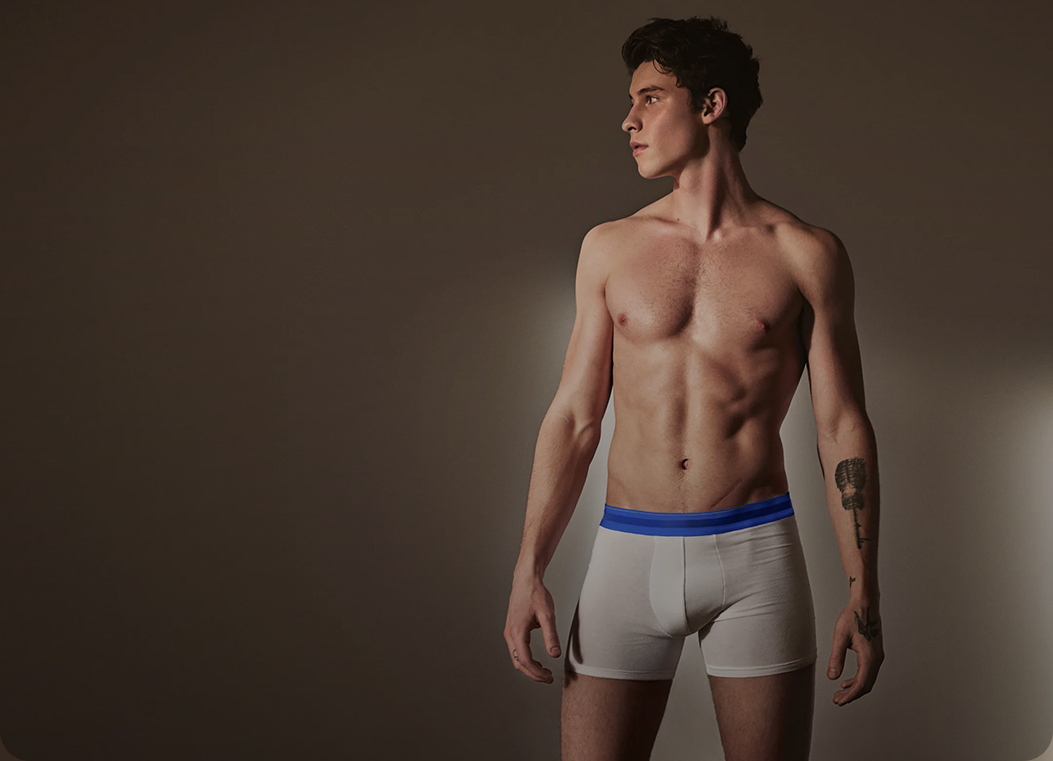
 English
 Español
 русский
 عربى
عربى