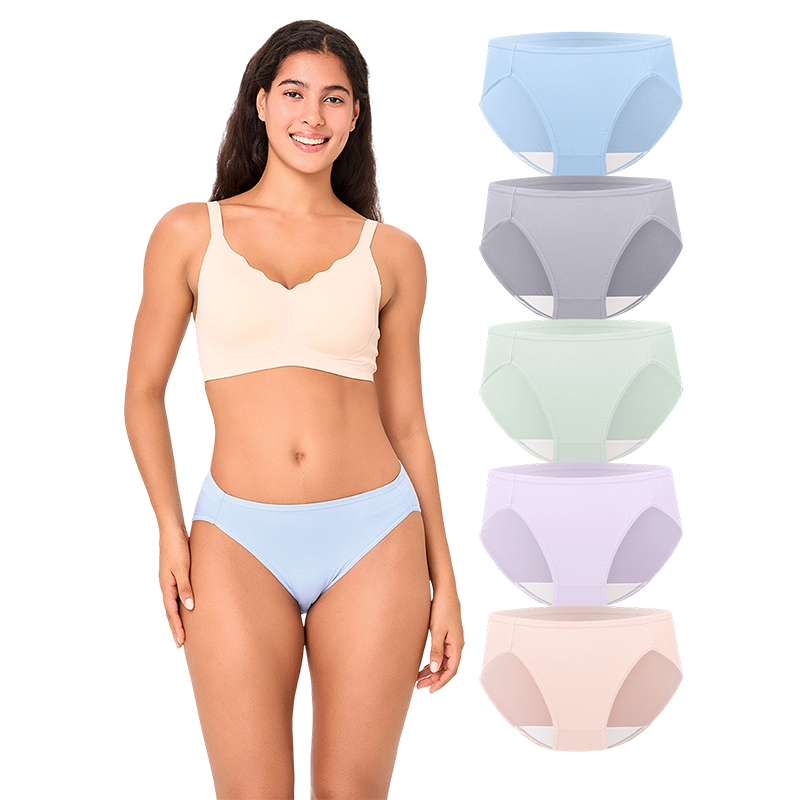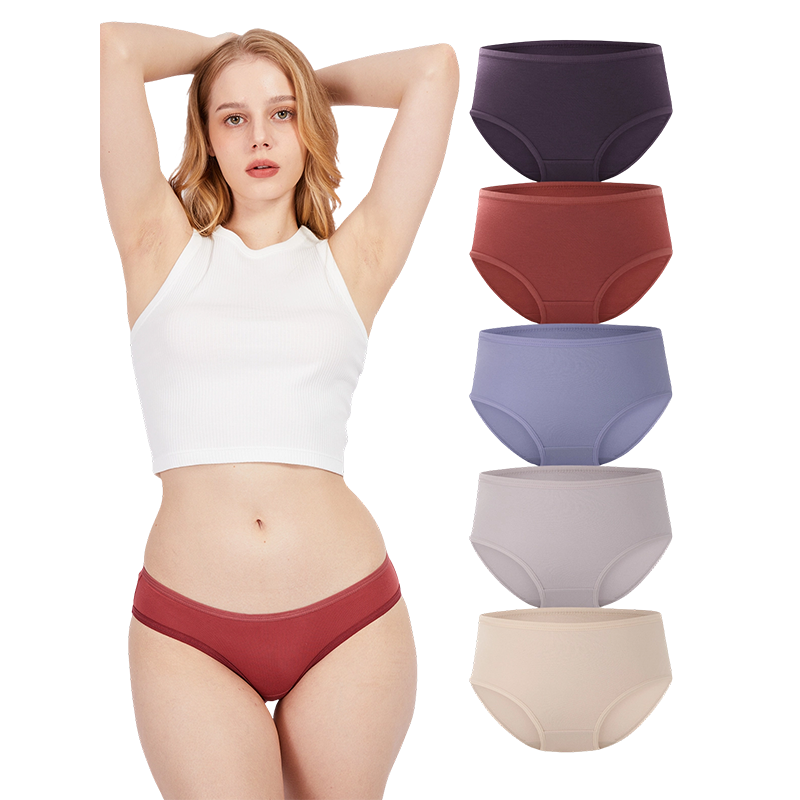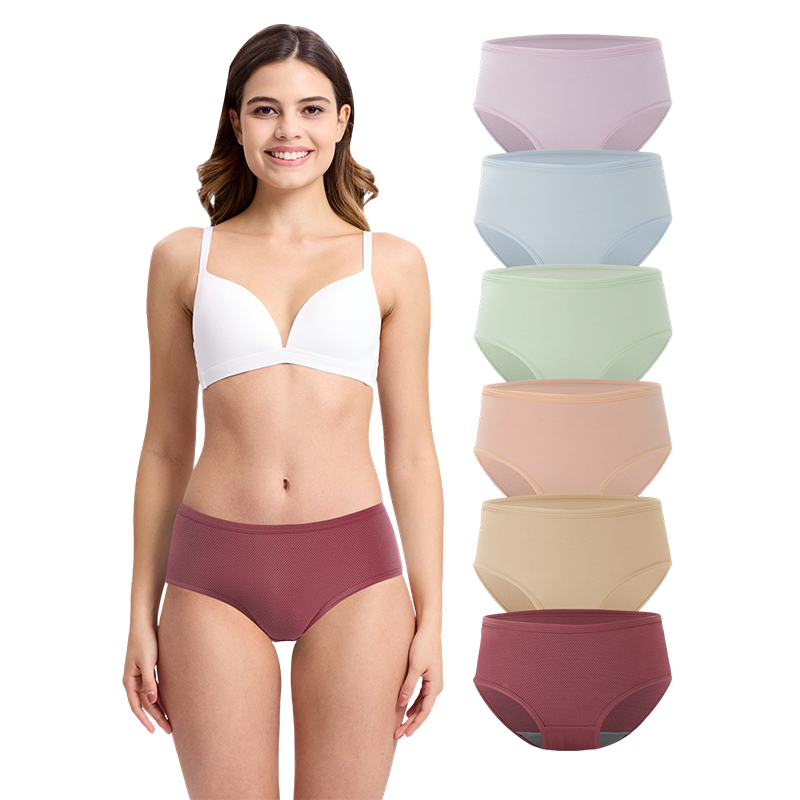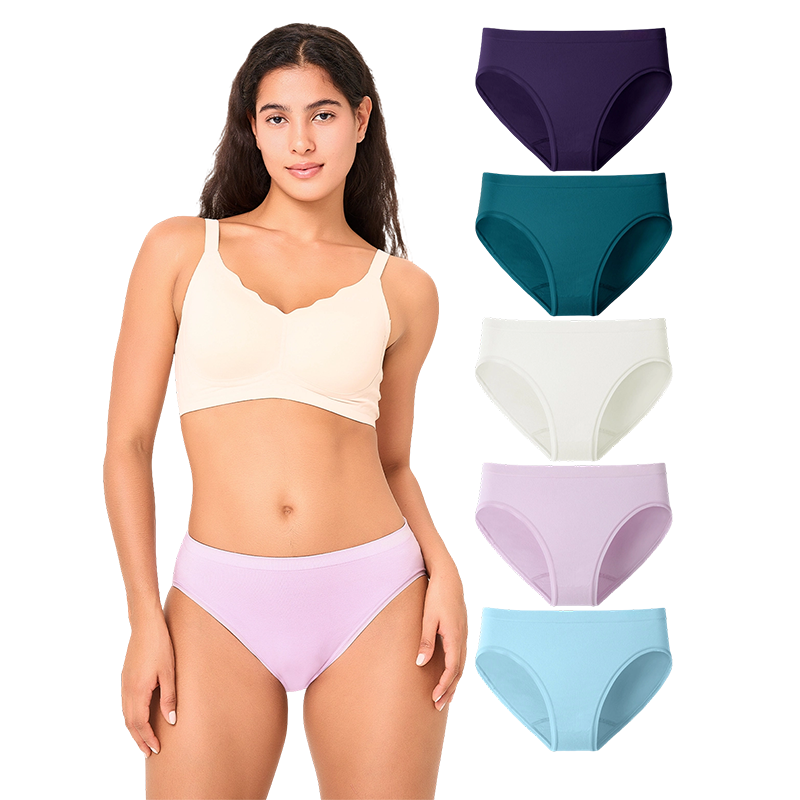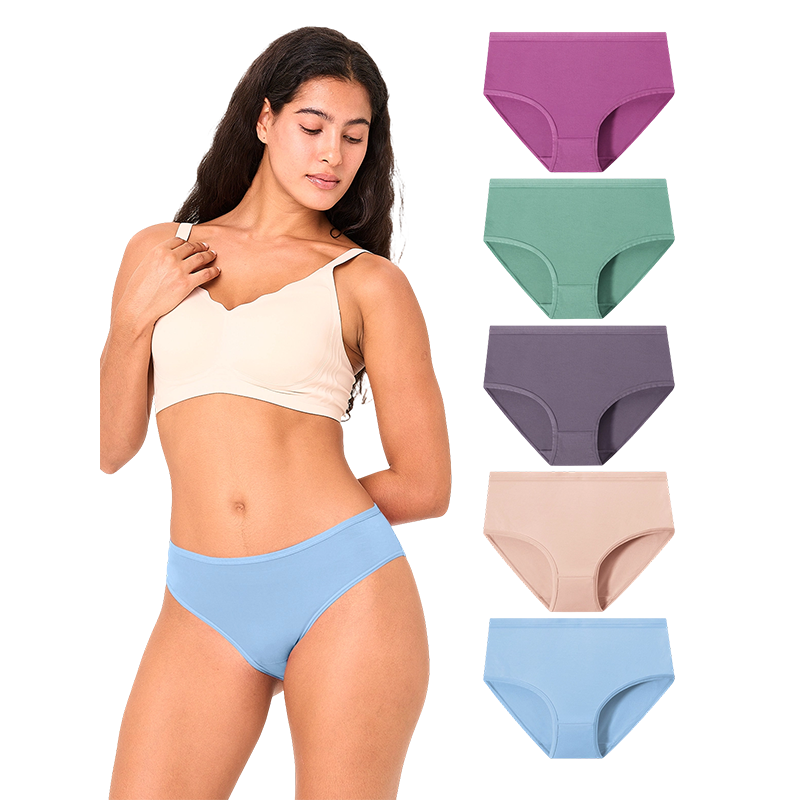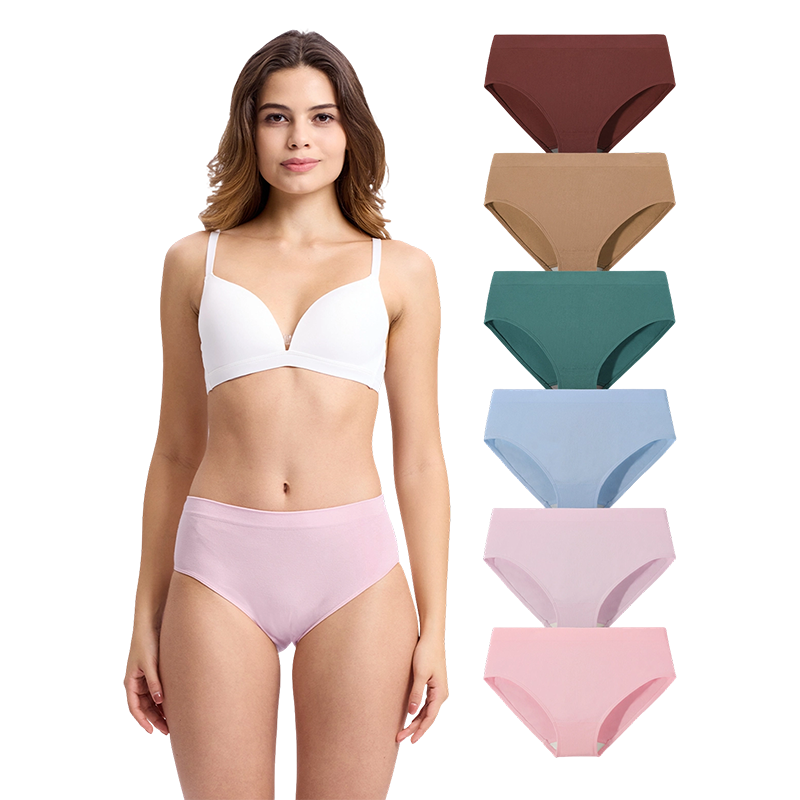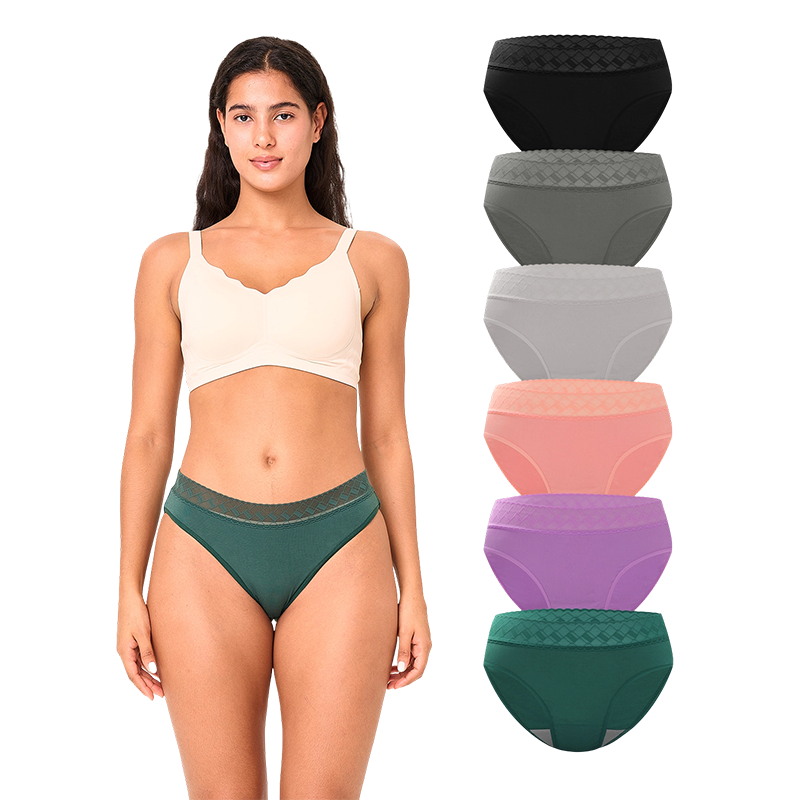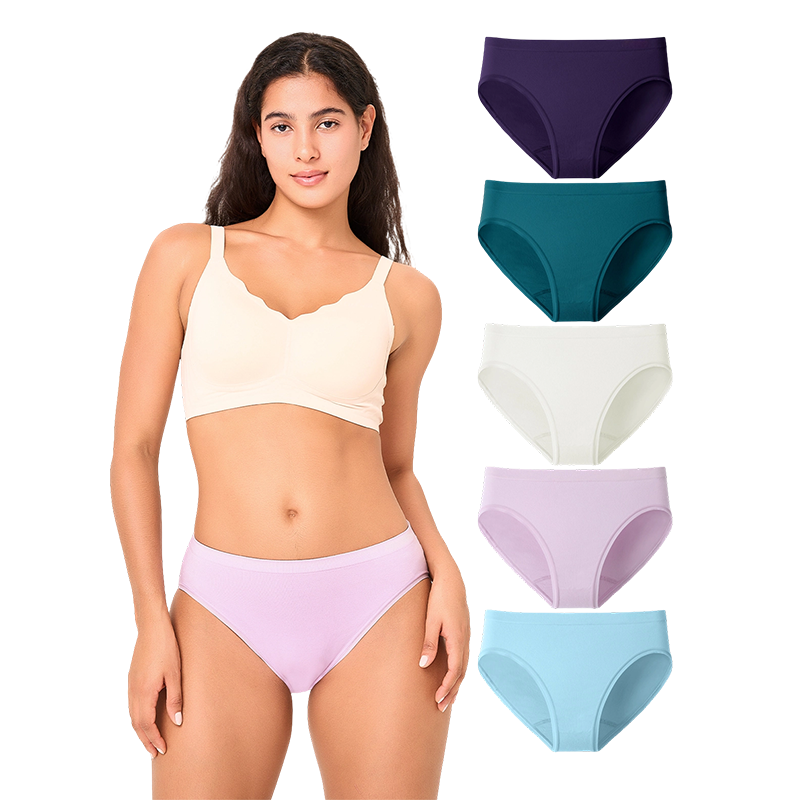
Women's underwear is an indispensable basic garment in daily life. Keeping it clean and in good condition not only enhances comfort but also extends its lifespan. However, many people often overlook the details when washing underwear, leading to damage to the material, changes in shape, or reduced comfort.
1. Wash according to material type
Different underwear materials require different washing methods. Common underwear materials include cotton, silk, lace, and bamboo fiber (bamboo viscose). Understanding the washing requirements of each material will better protect your underwear.
Cotton underwear: Cotton underwear is relatively durable, but it's best to wash it with warm water, avoiding excessively high temperatures. High-temperature water can harden cotton fibers and reduce their softness. It is also recommended to use a neutral detergent and avoid bleach, which can damage the fibers.
Silk and lace underwear: These delicate underwear materials require a gentler washing method. It's best to hand wash them with warm water and a special silk detergent, gently rubbing them and avoiding wringing or using a washing machine.
Bamboo fiber (Bamboo Viscose) underwear: The washing method for bamboo fiber underwear is similar to cotton, but since bamboo fiber is manufactured through a chemical process (bamboo viscose), avoid using excessively high temperatures and strong detergents. High-temperature water may affect the softness and breathability of bamboo fiber, so it is recommended to wash with cold or warm water.
2. Use suitable detergents
Choosing the right detergent is an important step in washing women's underwear. Different underwear materials have different requirements for detergents. Avoid using detergents containing bleach, enzymes, or strong alkaline ingredients, as these components may damage the fiber structure of the underwear. Neutral Detergent: Suitable for most underwear materials, especially cotton, bamboo fiber, and functional underwear. Neutral detergents do not damage the fibers and maintain the softness of the underwear.
Silk-Specific Detergent: Suitable for silk and delicate underwear. Silk materials have higher requirements for detergents; a specialized detergent helps protect the luster and texture of the fibers.
3. Hand Washing vs. Machine Washing
Hand Washing: Hand washing is the best method for cleaning delicate underwear, especially for silk, lace, and other fragile materials. When hand washing, gently rub the underwear, avoiding forceful pulling or wringing. Wash gently with cold or lukewarm water, avoiding excessive rubbing.
Machine Washing: For most cotton and bamboo fiber underwear, you can choose machine washing. To prevent damage to the underwear, place it in a laundry bag to reduce friction and pulling. Use a gentle washing program (such as cold water or low temperature mode) and a neutral detergent.
4. Avoid Using Hot Water
While hot water can remove bacteria, it can also damage the material of the underwear. For most women's underwear, especially bamboo fiber and silk underwear, it is recommended to wash with cold or lukewarm water. Excessively high water temperatures may cause the fibers to shrink, affecting the shape and comfort of the underwear.
Bamboo fiber underwear, in particular, is manufactured through a chemical process, and excessively high water temperatures may affect its softness and breathability. Therefore, cold or low-temperature washing not only protects the fibers but also extends the lifespan of the underwear.
5. Natural Drying, Avoid High-Temperature Drying
After washing, the best way to dry underwear is by air drying. Avoid using a high-temperature dryer, as high temperatures can cause the fibers to shrink, deform, and even affect their softness and comfort.
Drying Method: Lay the underwear flat or hang it to dry. Avoid exposing the underwear to direct sunlight; prolonged exposure may cause the color to fade and damage the fiber structure. It is best to dry the underwear inside out to protect the color of the fabric.
Dryer Use: If you need to use a dryer, choose a low-temperature setting. Although bamboo fiber underwear can withstand a certain degree of temperature, excessively high temperatures will accelerate fiber aging and affect the comfort of the underwear.
6. Replace underwear regularly
In addition to proper cleaning, regularly replacing underwear is also an important factor in maintaining its good condition. After prolonged use, underwear will be damaged to some extent due to sweat, friction, and other factors. To prevent underwear from losing its comfort and support, it is recommended to replace underwear every 6 months to 1 year.
7. Removing stubborn stains
If there are stubborn stains on the underwear (such as menstrual blood stains, urine stains, etc.), the following methods can be used:
Use an oxidizing stain remover: Soak the stained area in an oxidizing stain remover solution, and then wash as usual.
Pre-soaking: For blood stains, soak in cold water first, avoiding hot water, as hot water will set the blood stains in the fibers, making them difficult to remove.
Correct cleaning methods are key to maintaining the comfort and durability of women's underwear. Whether the underwear is made of cotton, silk, bamboo fiber (bamboo viscose), or other materials, different cleaning methods should be used according to their characteristics. Avoiding high-temperature washing and strong detergents, and using neutral detergents and gentle washing methods can effectively extend the lifespan of underwear and maintain its softness and comfort. In addition, proper drying and regular replacement of underwear are also important measures to protect the quality of the underwear.

Copyright © Nantong Tianhong Textile Technology Co., Ltd. All Rights Reserved.
 Room 806, Building D, Jingyang Plaza, Chongchuan District, Nantong City, Jiangsu Province,china



 English
 Español
 русский
 عربى
عربى