Content
Children's skin is delicate and highly sensitive to changes in the external environment. Therefore, the cleanliness and frequency of changing children's underwear are topics of great concern to parents. So, should children's underwear be changed daily? This article will discuss this issue in detail and provide scientific advice to help parents better care for their children's skin health.
During their growth, children are very active and sweat easily. Underwear is in direct contact with the skin and serves to absorb sweat and keep the skin dry. Therefore, keeping children's underwear clean and dry is crucial for preventing skin problems. Here are several main reasons for changing children's underwear daily:
Children's underwear, due to prolonged contact with sweat and skin, can easily breed bacteria and fungi if not changed promptly. Bacteria are especially prone to multiplying in humid environments, which can lead to skin allergies, eczema, diaper rash, and other problems. Changing underwear daily can effectively reduce bacterial accumulation and lower the incidence of skin problems.
As children's daily activity increases, sweat accumulation can produce unpleasant odors. If underwear is not changed daily, especially in hot weather or after strenuous exercise, the odor will worsen, affecting the child's comfort and self-confidence.
Children's skin is relatively delicate and easily experiences discomfort due to prolonged moisture accumulation. By changing underwear daily, you can ensure that the underwear remains dry, reducing itching or redness caused by dampness and friction.
The material of underwear directly affects the child's wearing experience and skin health. Choosing the right underwear material can improve comfort and ensure dry skin. Common materials for children's underwear include cotton, bamboo viscose, and synthetic fibers.
Cotton underwear has always been the preferred material for children's underwear due to its natural softness and excellent breathability. It is highly absorbent, helping to wick away sweat and keep the skin dry. The disadvantage of cotton underwear is that it does not dry easily when wet, so it needs to be changed frequently.
Bamboo viscose underwear is favored by many parents for its softness and breathability. Bamboo viscose is made by chemically processing bamboo fibers (viscose process) to produce high-quality fabric. It has good breathability, effectively wicking away moisture and quickly evaporating it, helping children stay dry. However, bamboo viscose underwear does not have natural antibacterial properties, so it still needs to be washed regularly to ensure hygiene.
Synthetic fiber underwear usually has strong elasticity and durability, but its breathability is relatively poor. If a child is very active, sweat can easily accumulate, leading to poor breathability and potentially causing skin problems. Special attention should be paid to cleaning synthetic fiber underwear, and it should not be worn for extended periods.
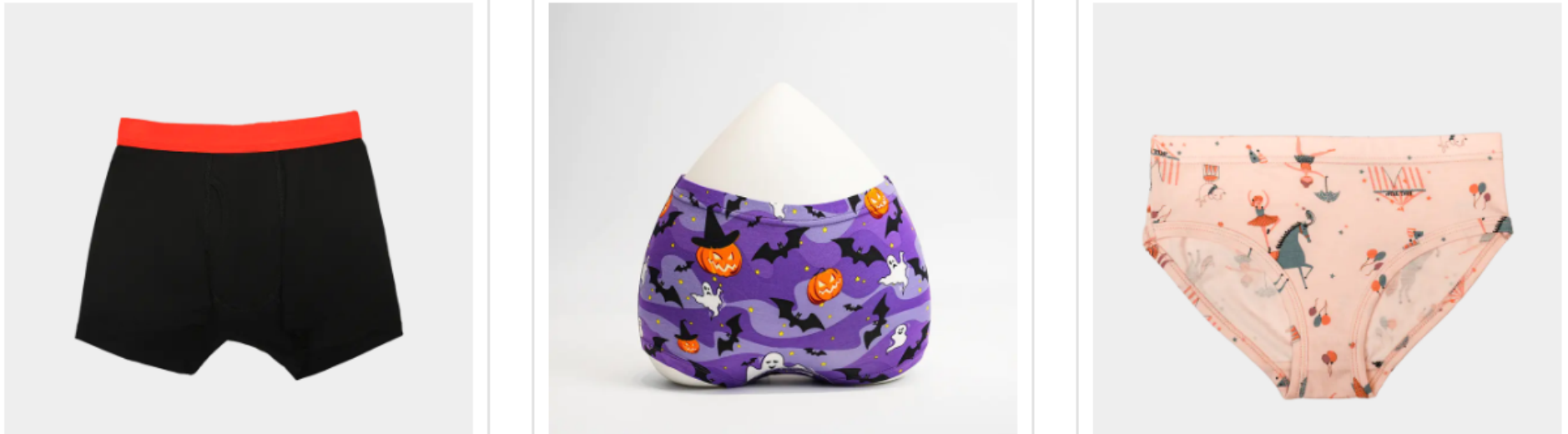
To ensure that children's underwear remains clean and hygienic, parents need to wash it regularly. Here are some cleaning tips:
Choose a gentle detergent suitable for children, avoiding laundry powders or liquids containing strong chemical ingredients. These ingredients may irritate children's skin, especially those with sensitive skin.
Excessively hot water can cause the underwear material to deform or shrink. For cotton and bamboo viscose underwear, it is recommended to wash with cold or warm water to maintain the softness and shape of the underwear.
Underwear is best air-dried naturally, avoiding high-temperature dryers. The high temperature of dryers can damage the fibers of the underwear and shorten its lifespan. When drying, avoid direct sunlight to prevent the underwear from fading.
Even the most durable underwear needs to be replaced regularly. Over time, the elasticity and breathability of underwear will decrease, especially with frequent washing. It is recommended to replace underwear every 6 months to 1 year to ensure that children always wear comfortable and hygienic clothing.
Ensure that the underwear size fits the child's body type. Underwear that is too tight may cause discomfort, while underwear that is too loose may not effectively absorb moisture and keep the child dry.
Choose materials with good breathability and moisture absorption. Avoid choosing underwear that is too thick or not breathable to ensure that children stay dry during daily activities.
Choose appropriate styles based on the season and the child's activity needs. For example, lightweight and breathable styles can be chosen for summer, while warmer underwear can be chosen for winter.
Changing children's underwear daily is a key measure to maintain healthy and comfortable skin. Whether it is cotton underwear, bamboo viscose underwear, or other materials, the choice should be based on the child's actual needs. Through proper washing and care of underwear, parents can effectively keep their children's skin dry and healthy and provide them with a more comfortable wearing experience.

Copyright © Nantong Tianhong Textile Technology Co., Ltd. All Rights Reserved.
 Room 806, Building D, Jingyang Plaza, Chongchuan District, Nantong City, Jiangsu Province,china


 English
 Español
 русский
 عربى
عربى