Content
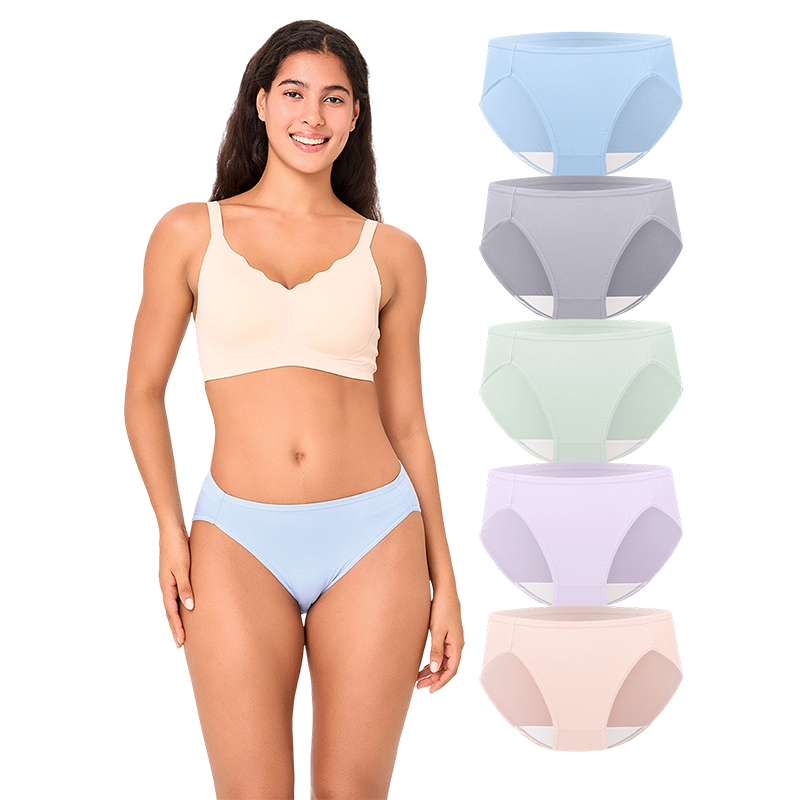
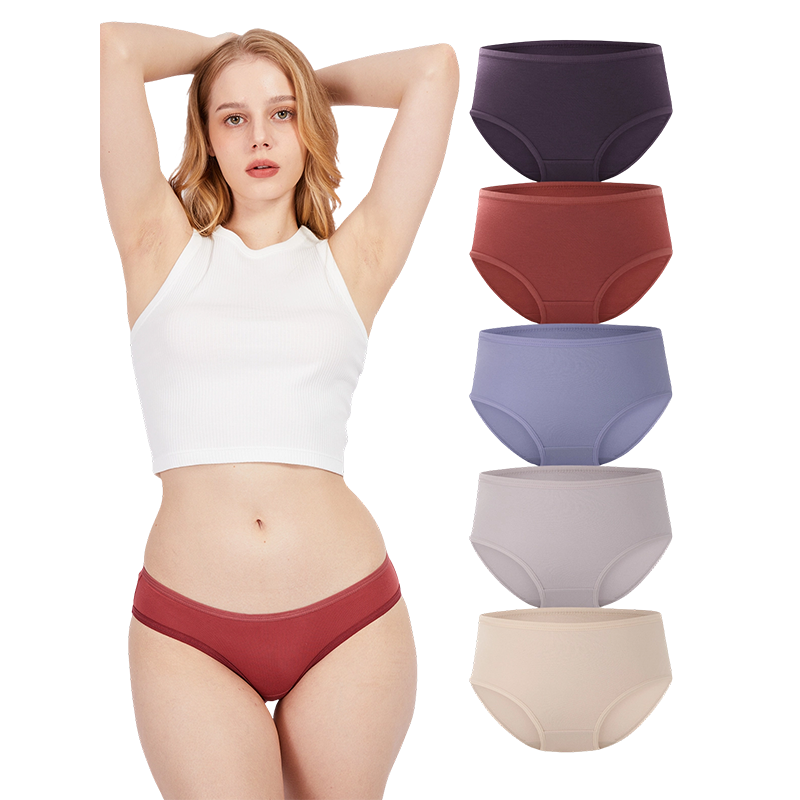
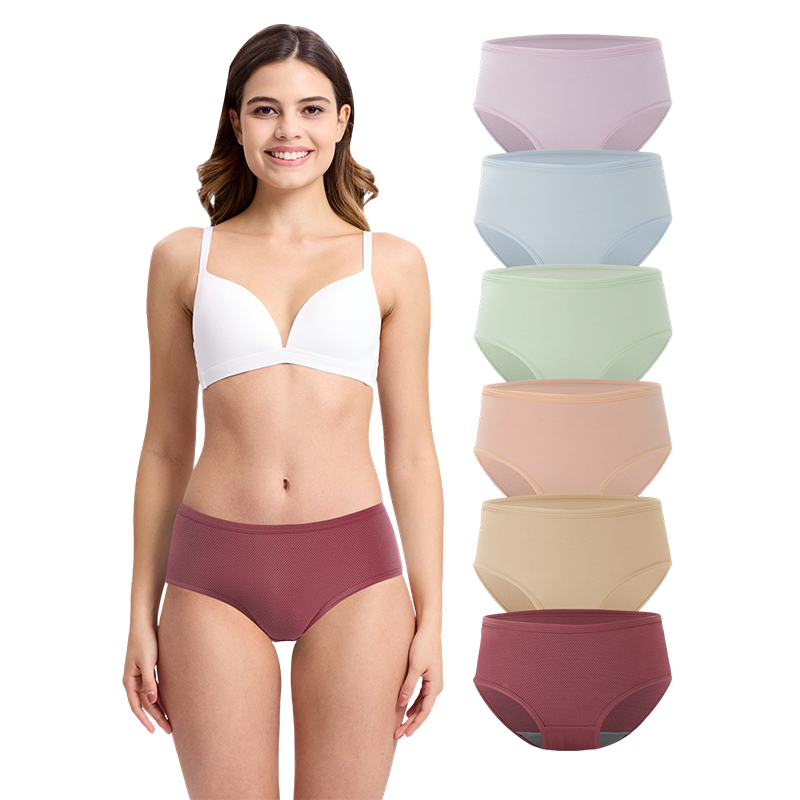
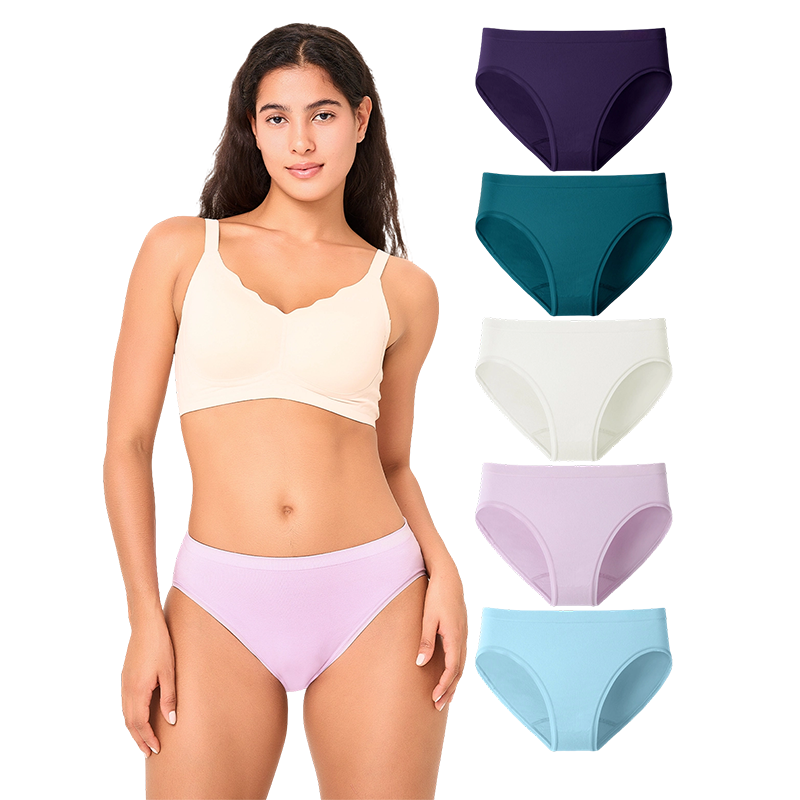
There is no single fabric that is objectively best for every pair of girls' briefs. The right choice depends on how the garment will be worn, how sensitive the child's skin is, and how it will be washed and cared for. In general, bamboo viscose or bamboo-cotton blends with a small percentage of spandex tend to score well for everyday softness, breathability and stretch, while 100 percent organic cotton remains the more conservative choice for very sensitive or reactive skin. The rest of this guide compares each common fabric option in detail so you can match the right one to your specific use case.
Girls' briefs sit directly against some of the most sensitive skin on a child's body for most of the waking day, so the fabric behind the design matters far more than the print or the color. Children's skin is thinner than adult skin, has a less developed protective barrier, and reacts more quickly to friction, trapped moisture and rough seams. A fabric that feels perfectly comfortable to an adult can still cause redness or irritation on a young child within a single school day.
Activity level is the second major factor. Girls in the typical briefs-wearing age range run, climb, play sports and sit through long school days without much thought about what is happening underneath their clothes. That means the fabric needs to move sweat away from the skin quickly, dry at a reasonable rate, and keep its shape through repeated stretching rather than sagging or riding up.
Finally, there is the practical reality of how often these garments get washed. Briefs for children typically go through the laundry more frequently than almost any other clothing item in the house, often at higher temperatures with stronger detergents. A fabric that pills, thins out or loses its elasticity after a few dozen washes will need replacing constantly, which affects both comfort and cost for the family or the brand selling the product.
Before comparing specific fibers, it helps to understand which properties actually drive comfort and durability in this category. The five properties below are the ones that matter most when evaluating a fabric for girls' briefs, and they form the basis for the comparisons later in this guide.
Most girls' briefs on the market today are made from one of four fabric categories: cotton, bamboo viscose, modal or bamboo-cotton blends, and cotton-spandex blends. Each has a distinct profile across the five properties above, and each suits a slightly different use case. The ratings below reflect general fiber characteristics rather than any single specific product.
Cotton is the fabric most parents and buyers already trust for children's underwear, and for good reason. It is soft, widely available, relatively affordable, and has a long track record of being gentle on sensitive skin. Standard cotton absorbs moisture well, which keeps sweat away from the skin in the short term, but it also tends to hold onto that moisture rather than releasing it quickly, which can leave the fabric feeling damp during long periods of activity. Pure cotton also has limited natural stretch, so briefs made from 100 percent cotton usually rely on ribbed knits or added elastane at the waistband to keep their shape.
Bamboo viscose is produced by breaking down bamboo pulp and regenerating it into fine, smooth fibers, and the result is a fabric with a noticeably silkier hand-feel than standard cotton. Its cross-section is naturally full of micro-gaps, which gives it strong moisture absorption and quick-drying performance, both useful for active children who sweat and move throughout the day. The main tradeoff is that bamboo viscose is usually blended with a small amount of spandex or cotton to add durability and shape retention, since the pure fiber alone can be less resilient to heavy wear than cotton.
Modal is another regenerated cellulose fiber, made primarily from beech wood pulp, and it shares many of bamboo viscose's strengths, including a smooth, almost silk-like surface and good moisture absorption. When modal or bamboo viscose is blended with organic cotton, the resulting fabric tends to strike a strong balance between the softness of the regenerated fiber and the added strength and shape retention that cotton contributes. This type of blend has become increasingly common in premium girls' briefs because it resists the stiffening that pure cotton can develop after air drying, while still feeling familiar and trustworthy to parents who are used to buying cotton.
Adding a small percentage of spandex, typically in the single digits by weight, to a cotton or cotton-blend fabric gives the finished briefs meaningful four-way stretch without changing the overall feel very much. This is especially useful for girls' briefs designed for sports, dance or general active play, since the added elasticity helps the garment move with the body and return to shape afterward rather than sagging or twisting. The tradeoff is that spandex-heavy fabrics can trap slightly more heat than a pure natural fiber, so manufacturers usually keep the spandex percentage low and pair it with a breathable base fiber rather than relying on spandex alone for comfort.
| Fabric | Best For | Feel | Moisture Handling | Care Level |
| Cotton | Everyday wear, sensitive skin | Soft, familiar | Absorbs, dries slowly | Easy |
| Bamboo Viscose | All-day comfort, warm climates | Silky, cool to the touch | Wicks and dries quickly | Gentle wash recommended |
| Modal / Bamboo-Cotton Blend | Premium everyday briefs | Smooth, drapes well | Absorbs and releases evenly | Moderate |
| Cotton-Spandex Blend | Sports, dance, active play | Snug, stretchy | Moderate wicking | Easy |
Across the girls' underwear category, the clearest trend over the past several years has been a steady shift away from single-fiber 100 percent cotton toward blended fabrics that combine a regenerated cellulose fiber, such as bamboo viscose or modal, with a small amount of organic cotton and spandex. This shift is driven largely by parent expectations: buyers increasingly look for the softness and cooling feel associated with bamboo or modal, while still wanting the trust and durability that cotton content provides.
A typical formulation seen across the market blends a majority share of bamboo viscose or modal with a smaller share of cotton and a small single-digit percentage of spandex for stretch, illustrated below as a general composition pattern rather than a fixed specification.
Brands positioned at the premium end of the category also increasingly highlight certifications such as OEKO-TEX Standard 100 alongside the fabric blend itself, since parents buying underwear for young children pay close attention to safety credentials as much as they do to softness and fit.
Nantong Tianhong Textile Technology Co., Ltd(BAMSILK™). develops and supplies bamboo viscose, bamboo-cotton and bamboo-spandex blend fabrics under, produced specifically for applications such as girls' briefs, panties and other children's underwear categories. As a manufacturer holding OEKO-TEX Standard 100, GOTS, OCS and FSC certifications, Nantong Tianhong builds BAMSILK™ fabric to meet the consistency and safety requirements that large-scale underwear production demands, from raw fiber sourcing through spinning, knitting and finishing.
Brand owners, traders, fabric wholesalers and clothing factories sourcing fabric for a girls' briefs line can work directly with Nantong Tianhong to select blend ratio, fabric weight and finish that best matches their target age group, price point and intended use case, whether that is an everyday basics range or an active-wear focused collection.
Even the best fabric will wear out faster than it should if it is washed and dried incorrectly. The steps below apply broadly across cotton, bamboo viscose, modal and blended fabrics, and following them consistently can meaningfully extend how long a pair of girls' briefs stays soft, elastic and presentable.
Yes. Bamboo viscose is one of the more breathable and skin-friendly options available for girls' briefs, thanks to its smooth fiber surface, rounded fiber structure and strong moisture absorption. It is commonly blended with a small percentage of cotton or spandex to improve durability and shape retention.
For children with especially sensitive or reactive skin, 100 percent organic cotton or a high-percentage bamboo viscose blend are generally the safest starting points, since both minimize synthetic content and reduce the risk of friction-related irritation. Checking for an OEKO-TEX Standard 100 certification adds an extra layer of assurance regarding chemical safety.
Most girls' briefs made from quality fabric hold their shape and softness for around six months to a year of regular wear and washing, though this varies with wash frequency, water temperature and how the garment is dried. Visible thinning, loss of elasticity in the waistband, or persistent stiffness even after washing are the clearest signs that it is time to replace a pair.
Neither option is strictly better across the board. Cotton offers familiarity, strong durability and easy care, while modal offers a smoother feel, better drape and generally faster drying. Many manufacturers now blend the two specifically to combine cotton's durability with modal's softness rather than choosing one over the other.
The right fabric for a girls' briefs line depends on the tradeoffs a brand or buyer is willing to make between softness, breathability, stretch and durability, and on how sensitive the intended wearer's skin is. Bamboo-cotton blends tend to suit everyday comfort-focused ranges, cotton-spandex blends suit active and sport-specific styles, and 100 percent organic cotton remains a reasonable, conservative choice for very sensitive skin. Brands and manufacturers evaluating fabric options for a new girls' briefs line can weigh these tradeoffs against their target age group and wash care expectations, and work with a underwear supplier such as BAMSILK™ to fine-tune the exact blend ratio for their product.

Copyright © Nantong Tianhong Textile Technology Co., Ltd. All Rights Reserved.
 Room 806, Building D, Jingyang Plaza, Chongchuan District, Nantong City, Jiangsu Province,china

 English
 Español
 русский
 عربى
عربى