Content
No. Panties and underwear are closely related, but they are not exactly the same. Underwear is a broad category covering garments worn next to the skin under clothing, while panties refer specifically to women’s lower-body underwear. Understanding this distinction helps consumers choose the right product for comfort, function, and daily use.
To define underwear, it includes all garments worn beneath outer clothing, such as briefs, boxers, panties, bras, and undershirts. The primary purpose of underwear is practical rather than decorative.
In short, when people ask what are underwear for, the answer is comfort, hygiene, and daily functionality.
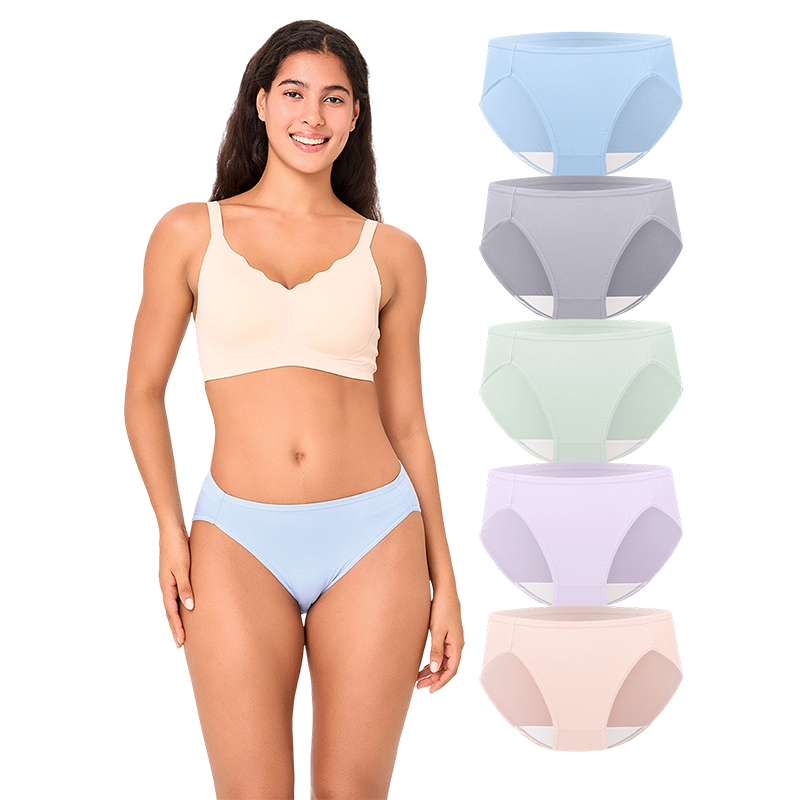
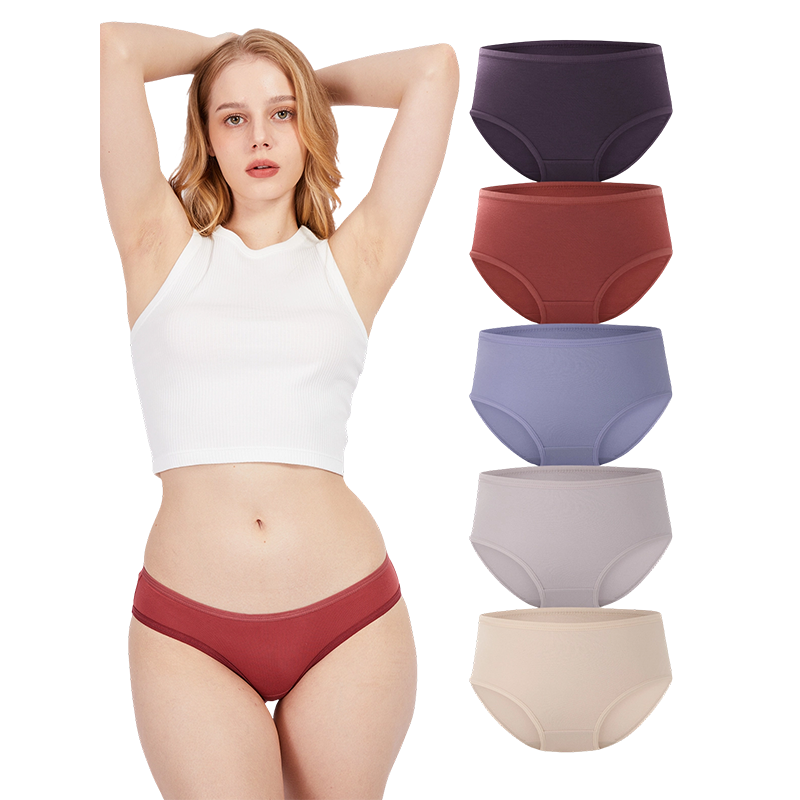
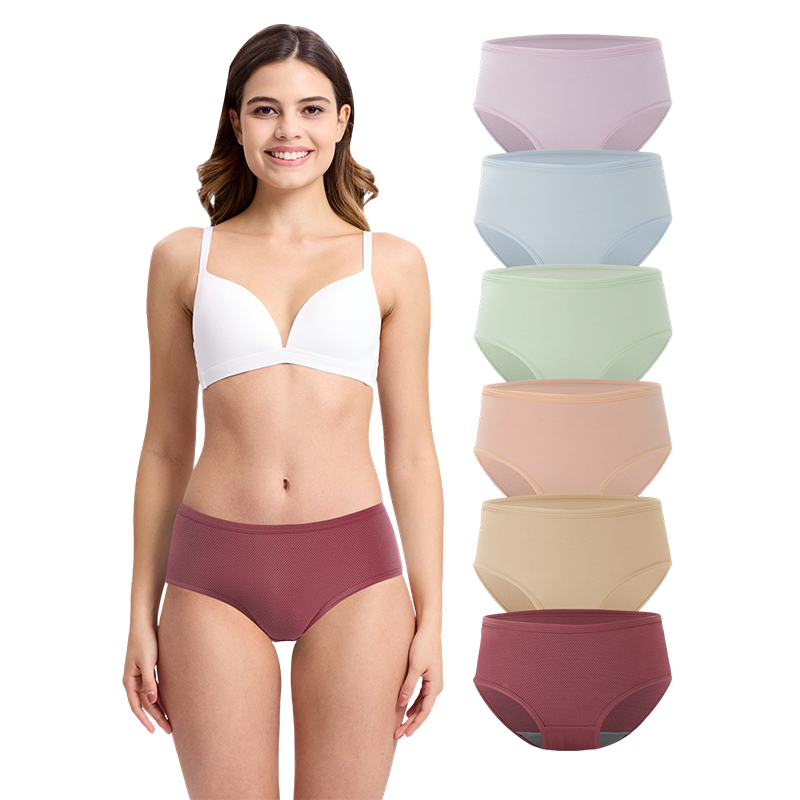
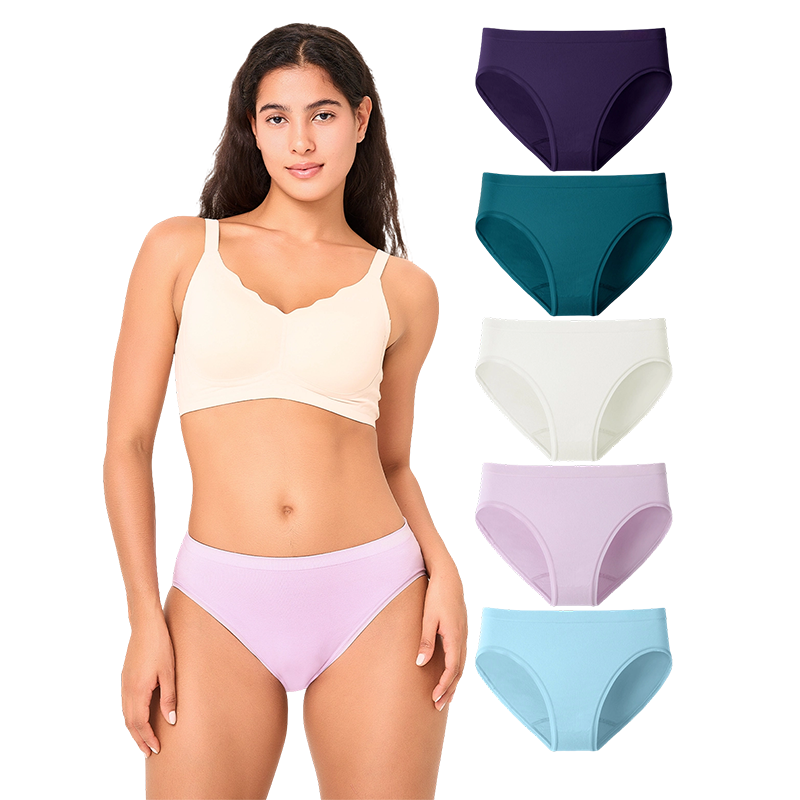
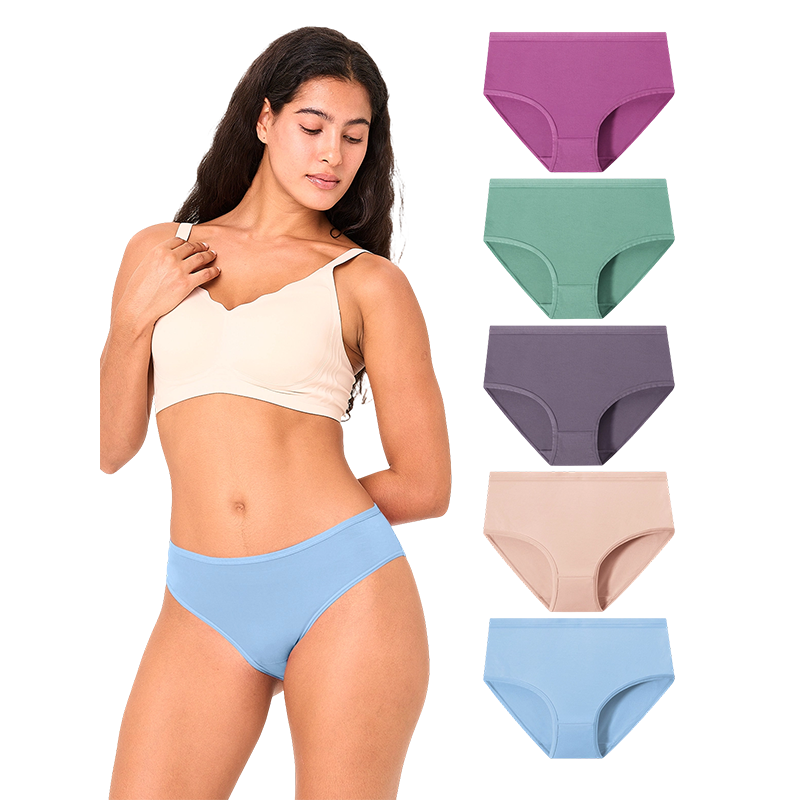
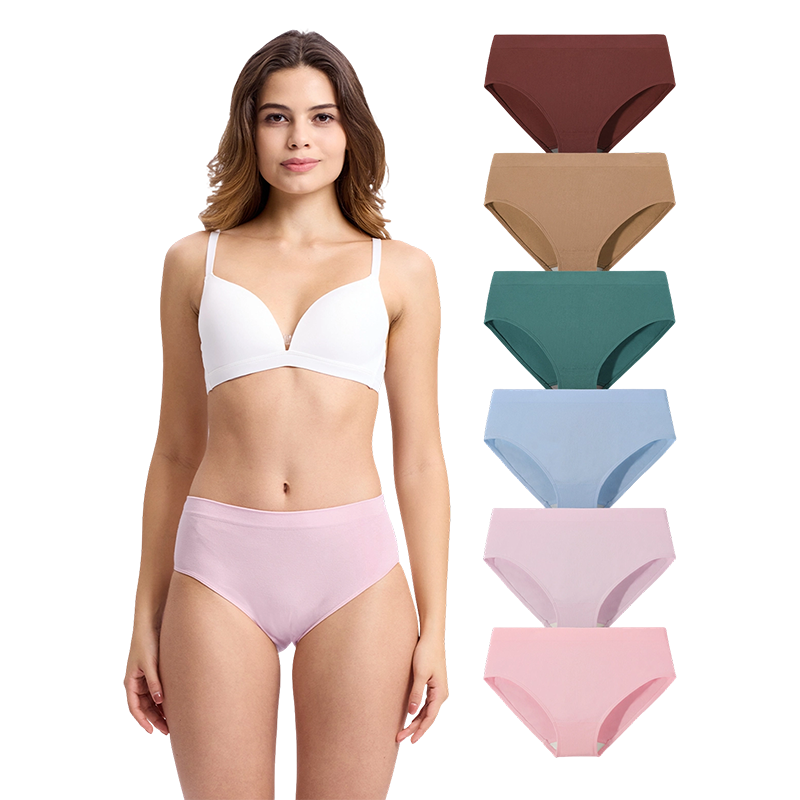
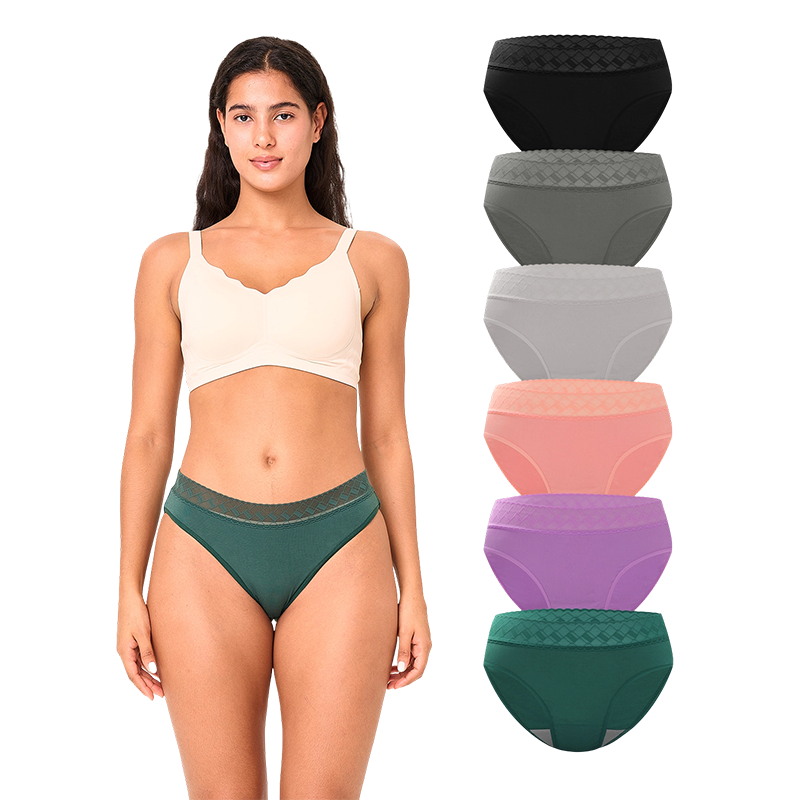
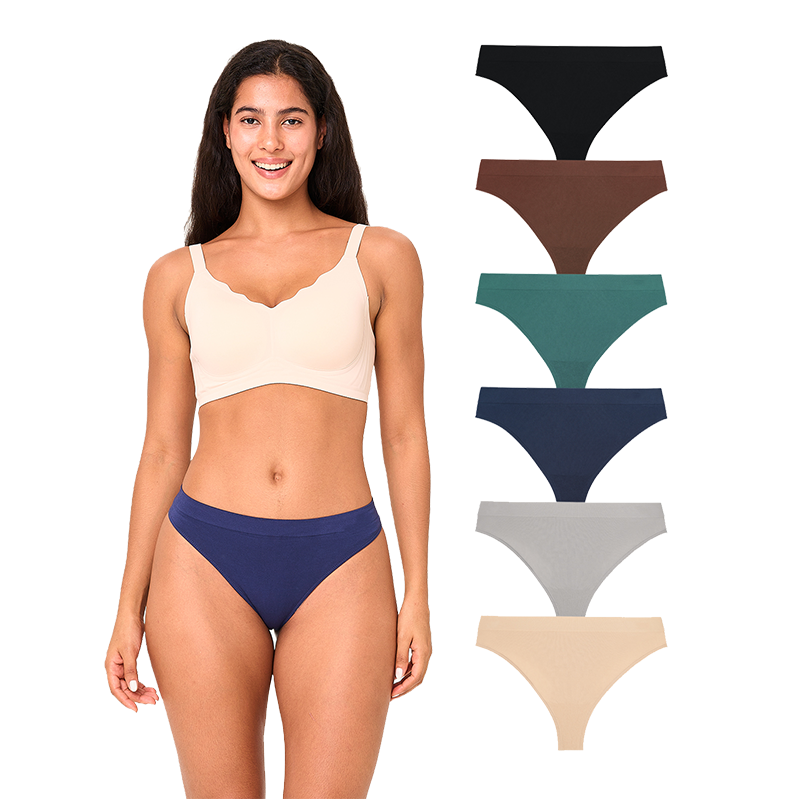
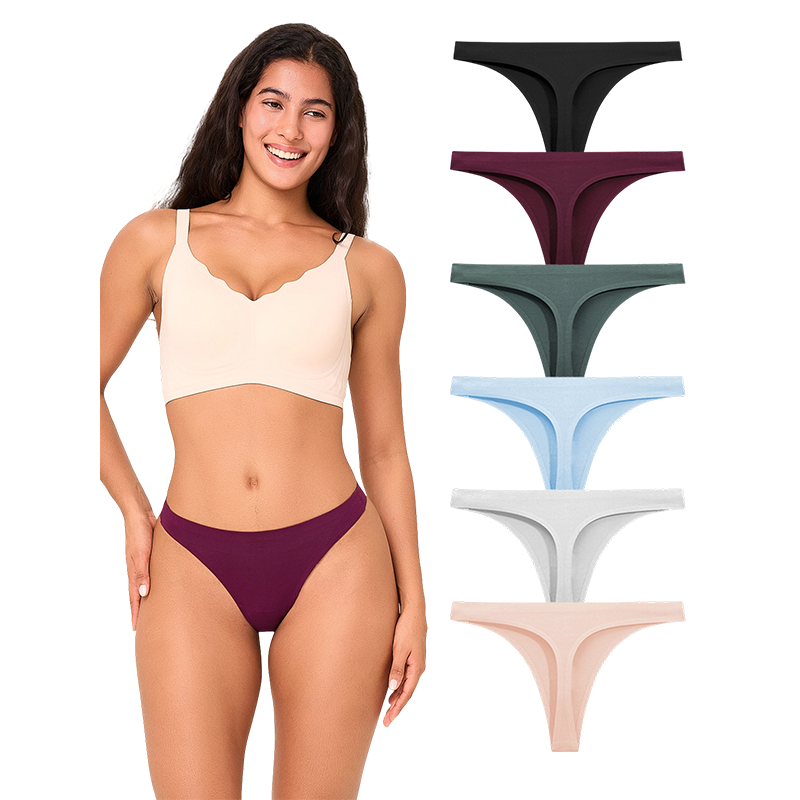
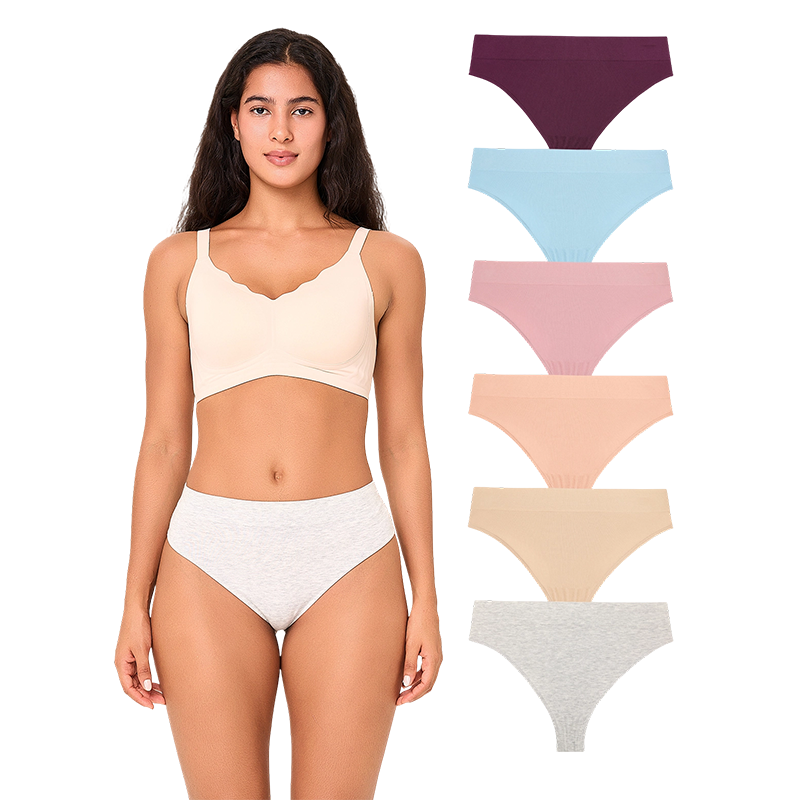
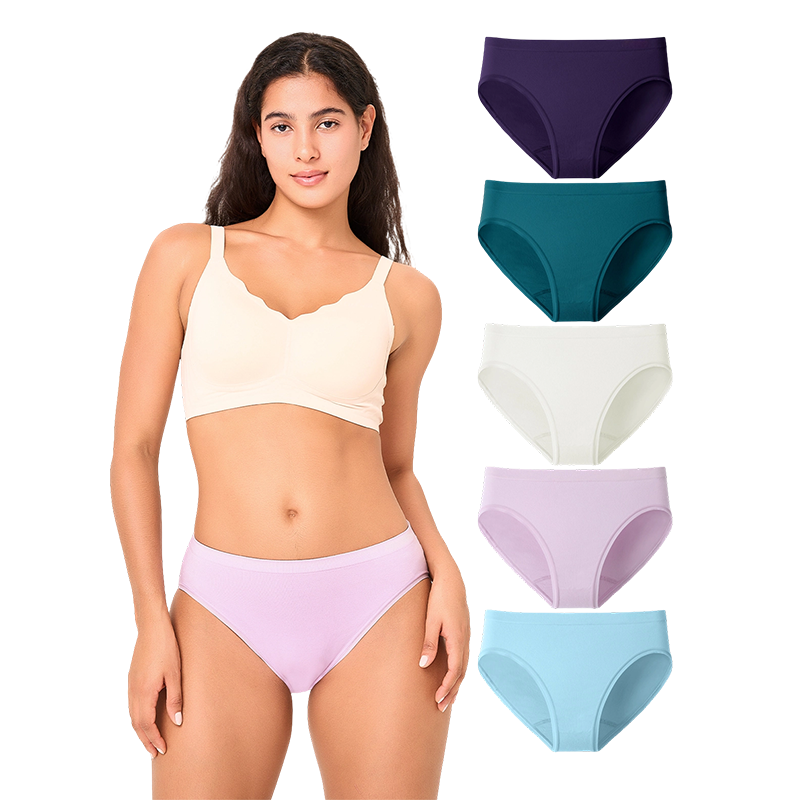
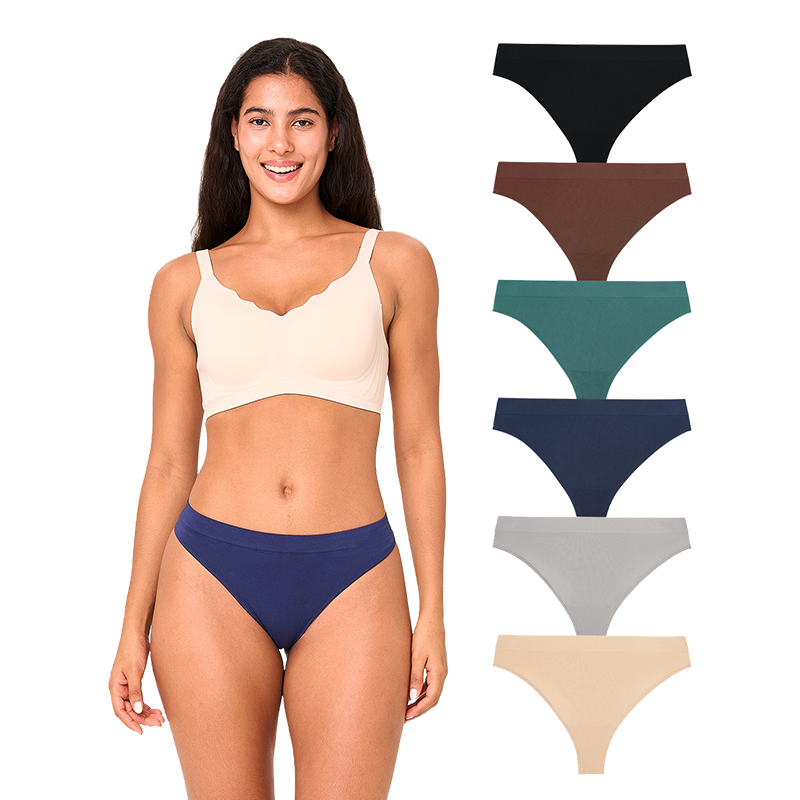
A common question is what is a panty. Panties are a specific type of underwear designed for women and worn on the lower body. They vary widely in cut, coverage, and material.
Because panties fall under the broader underwear category, it explains why people often confuse the two terms. However, not all underwear are panties.
| Aspect | Underwear | Panties |
|---|---|---|
| Scope | General term for inner garments | Specific to women’s lower underwear |
| Gender | Men, women, and children | Women |
| Examples | Briefs, boxers, bras, panties | Bikini, hipster, high-waist |
This table answers both is panties and underwear the same and what’s the difference between panties and underwear in a clear, practical way.
When considering what kind of underwear is best for women, material choice plays a major role. Many manufacturers, including Nantong Tianhong Textile Technology Co., Ltd., focus on bamboo viscose underwear for daily wear.
At Nantong Tianhong Textile Technology Co., Ltd., bamboo viscose is produced from organically grown bamboo through a controlled chemical process to convert bamboo cellulose into viscose fiber. This method allows consistent yarn quality and uniform fabric texture, which are important for well-fitting underwear.
It is important to note that this bamboo viscose is not a natural fiber in its final form and does not rely on mechanical processing. The focus is on comfort, breathability, and reliable manufacturing standards rather than special functional claims.
By clearly distinguishing terms and materials, consumers can make more informed choices and select underwear that truly fits their daily needs.

Copyright © Nantong Tianhong Textile Technology Co., Ltd. All Rights Reserved.
 Room 806, Building D, Jingyang Plaza, Chongchuan District, Nantong City, Jiangsu Province,china



 English
 Español
 русский
 عربى
عربى